Alberta Faces Challenges with Solar Energy Expansion
NFPA 70E Training
Our customized live online or in‑person group training can be delivered to your staff at your location.

- Live Online
- 6 hours Instructor-led
- Group Training Available
Alberta Solar Energy Expansion confronts high installation costs, grid integration and storage needs, and environmental impact, while incentives, infrastructure upgrades, and renewable targets aim to balance reliability, land use, and emissions reductions provincewide.
Inside the Issue
Alberta Solar Energy Expansion is growth in solar tempered by costs, grid limits, environmental impact, and incentives.
High CAPEX for utility-scale arrays challenges project bankability.
Variable output strains a gas-heavy grid; storage and flexibility needed.
Land use, wildlife, and habitat impacts drive stricter siting and mitigation.
Incentives and PPAs improve economics; agrivoltaics supports dual land use.
Grid upgrades align with renewable targets to enhance reliability and jobs.
Alberta's push towards expanding solar power is encountering significant financial and environmental hurdles. The province's ambitious plans to boost solar power generation have been met with both enthusiasm and skepticism as stakeholders grapple with the complexities of integrating large-scale solar projects into the existing energy framework.
The Alberta government has been actively promoting solar energy as part of its strategy to diversify the energy mix in a province that is a powerhouse for both green energy and fossil fuels today and reduce greenhouse gas emissions. Recent developments have highlighted the potential of solar power to contribute to Alberta's clean energy goals. However, the path forward is fraught with challenges related to costs, environmental impact, and infrastructure needs.
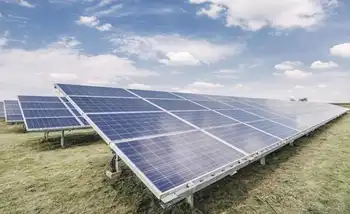
One of the primary issues facing the solar energy sector in Alberta is the high cost of solar installations. Despite decreasing costs for solar technology in recent years, the upfront investment required for large-scale solar farms remains substantial, even as some facilities have been contracted at lower cost than natural gas in Alberta today. This financial barrier has led to concerns about the economic viability of solar projects and their ability to compete with other forms of energy, such as natural gas and oil, which have traditionally dominated Alberta's energy landscape.
Additionally, there are environmental concerns associated with the development of solar farms. While solar energy is considered a clean and renewable resource, the construction of large solar installations can have environmental implications. These include potential impacts on local wildlife habitats, land use changes, where approaches like agrivoltaics can co-locate farming and solar, and the ecological effects of large-scale land clearing. As solar projects expand, balancing the benefits of renewable energy with the need to protect natural ecosystems becomes increasingly important.
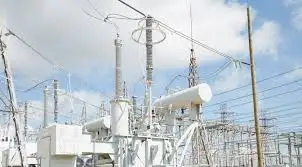
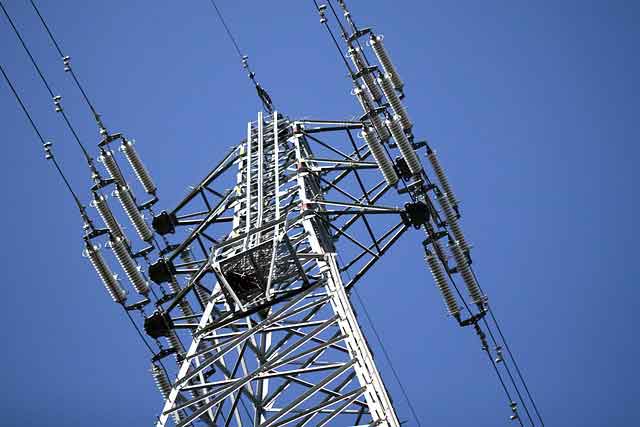
Another significant challenge is the integration of solar power into Alberta's existing energy grid. Solar energy production is variable and dependent on weather conditions, especially with Alberta's limited hydro capacity for flexibility, which can create difficulties in maintaining a stable and reliable energy supply. The need for infrastructure upgrades and energy storage solutions is crucial to address these challenges and ensure that solar power can be effectively utilized alongside other energy sources.
Despite these challenges, the Alberta government remains committed to advancing solar energy as a key component of its renewable energy strategy. Recent initiatives include financial incentives and support programs aimed at encouraging investment in solar projects and supporting a renewable energy surge that could power thousands of jobs across Alberta today. These measures are designed to help offset the high costs associated with solar installations and make the technology more accessible to businesses and homeowners alike.
Local communities and businesses are also playing a role in the growth of solar energy in Alberta. Many are exploring opportunities to invest in solar power as a means of reducing energy costs and supporting sustainability efforts and, increasingly, to sell renewable energy into the market as demand grows. These smaller-scale projects contribute to the overall expansion of solar energy and demonstrate the potential for widespread adoption across the province.
The Alberta government has also been working to address the environmental concerns associated with solar energy development. Efforts are underway to implement best practices for minimizing environmental impacts and ensuring that solar projects are developed in an environmentally responsible manner. This includes conducting environmental assessments and working with stakeholders to address potential issues before projects are approved and built.
In summary, while Alberta's solar energy initiatives hold promise for advancing the province's clean energy goals, they are also met with significant financial and environmental challenges. Addressing these issues will be crucial to the successful expansion of solar power in Alberta. The government's ongoing efforts to support solar projects through incentives and infrastructure improvements, coupled with responsible environmental practices, will play a key role in determining the future of solar energy in the province.