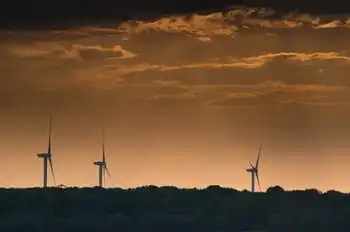
Alberta Ends Moratorium on Renewable Energy Projects
Electrical Testing & Commissioning of Power Systems
Our customized live online or in‑person group training can be delivered to your staff at your location.
- Live Online
- 12 hours Instructor-led
- Group Training Available
Alberta Ends Renewable Energy Moratorium, accelerating wind and solar deployment while prioritizing grid stability, reliability, and infrastructure upgrades to attract investment, cut emissions, meet climate targets, and integrate renewables into the provincial power system.
Essential Takeaways
It is Alberta's decision to lift a pause on new wind and solar projects while enhancing grid reliability.
Grid operator to accept green energy bids across market
Moratorium imposed May 2023 to assess grid impacts
Lifting aims to balance reliability and sustainability
Projects resume, investment and jobs expected to surge
The Alberta government has announced the end of a temporary suspension on the development of new renewable energy projects, as the power grid operator prepares to accept green energy bids across the market. This pause, which had been in place since May 2023, was initially implemented to evaluate the effects of rapid growth in renewable energy installations on the province's power grid and overall energy system. However, the decision to lift the moratorium reflects a shift in the government’s approach to balancing energy needs and environmental goals.
The suspension was introduced amid concerns that the swift expansion of wind and solar energy projects, including documented challenges with solar energy expansion in the province, could place undue stress on Alberta's electrical grid and infrastructure. Officials expressed worries about the ability of the grid to handle the increased load and the potential need for upgrades to accommodate new renewable energy sources. The government aimed to assess the implications of this growth and determine appropriate measures to ensure that the energy system could support both existing and future demands.
The moratorium drew significant criticism from various sectors, including renewable energy companies, environmental advocates, and local communities. Critics argued that the pause was detrimental to Alberta's efforts to transition to cleaner energy sources and meet climate targets, citing cases like TransAlta scrapping a wind farm amid policy uncertainty. They pointed out that halting projects could delay investments and job creation associated with the renewable energy sector, potentially impeding progress towards a more sustainable energy future.
In response to these concerns, the Alberta government conducted further reviews and consultations. The decision to cancel the pause reflects the government’s recognition of the importance of advancing renewable energy initiatives while also addressing the need for grid stability and infrastructure development. By ending the moratorium, the government aims to support the continued growth of renewable energy projects and maintain momentum in the shift towards greener energy solutions.
The lifting of the moratorium is expected to have a positive impact on the renewable energy industry in Alberta. Several planned projects that were put on hold can now proceed, leading to renewed investment and economic benefits, including a renewable energy surge that could power 4,500 jobs across the province. The government’s decision signals a commitment to integrating renewable energy sources into the provincial grid in a way that ensures both reliability and sustainability.
Going forward, the Alberta government plans to implement measures to better manage the integration of renewable energy into the existing power infrastructure. This includes addressing any potential challenges related to grid capacity and ensuring that the growth of renewable energy projects aligns with the province's overall energy strategy, as recent federal procurement such as a $500M green electricity contract with an Edmonton company underscores demand that integration efforts must accommodate. The goal is to create a balanced approach that supports the development of clean energy while maintaining the stability and efficiency of the energy system.
The end of the moratorium aligns with Alberta’s broader objectives to reduce greenhouse gas emissions and promote environmental sustainability within a province recognized as a powerhouse for both green energy and fossil fuels in Canada. The government’s approach reflects a willingness to adapt policies and strategies in response to evolving industry needs and environmental priorities. By removing the pause, Alberta demonstrates its commitment to fostering a diverse and resilient energy sector that can meet both current and future demands.
The decision to cancel the moratorium is also seen as a move to reinforce Alberta’s position as a leader in renewable energy development. With the lifting of restrictions, the province can continue to attract investment in clean energy projects, as neighboring jurisdictions such as B.C. streamline clean energy approvals to accelerate deployment, enhance its reputation as a progressive energy market, and contribute to global efforts to address climate change.
In summary, the Alberta government’s decision to lift the pause on renewable energy projects represents a significant shift in its approach to energy policy. The move reflects an acknowledgment of the importance of advancing renewable energy while addressing the practical challenges associated with grid management and infrastructure development. By ending the moratorium, Alberta aims to support the growth of clean energy initiatives and maintain its commitment to sustainability and environmental responsibility.