US Approves Rule to Boost Renewable Transmission
NFPA 70b Training - Electrical Maintenance
Our customized live online or in‑person group training can be delivered to your staff at your location.

- Live Online
- 12 hours Instructor-led
- Group Training Available
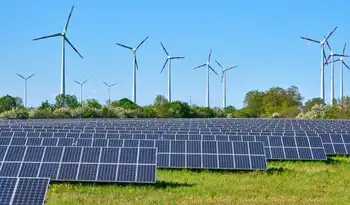
FERC Transmission Rule accelerates grid modernization and interregional high-voltage lines, enabling renewable energy integration, load balancing, and reliability to advance net-zero goals while strengthening resilience, capacity expansion, and decarbonization across U.S. regional transmission organizations.
What's Going On
A federal policy mandating interregional grid planning and cost sharing to expand high-voltage lines for renewables.
Expands high-voltage, interregional lines for power sharing.
Eases integration of variable wind and solar across regions.
Cuts greenhouse emissions by displacing fossil generation.
Enhances resilience to extreme weather and improves reliability.
On May 13th, 2024, the US took a monumental step towards its clean energy goals. The Federal Energy Regulatory Commission (FERC) approved a long-awaited rule designed to significantly expand the transmission of renewable energy across the nation's power grid, a US grid overhaul that many advocates say was overdue. This decision aligns with President Biden's ambitious plan to achieve net-zero carbon emissions by 2050, with renewable energy playing a central role.
The new rule tackles a critical bottleneck hindering the widespread adoption of renewables – transmission infrastructure. Unlike traditional power plants like coal or natural gas that run constantly, solar and wind power generation fluctuates with weather conditions. This variability poses a challenge for the existing grid, which is not designed to efficiently handle large-scale integration of these intermittent sources, helping explain why the grid isn't 100% renewable today.
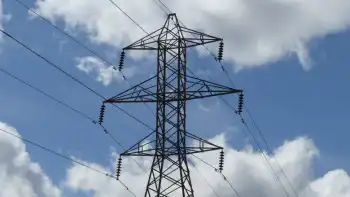
The FERC rule aims to address this by promoting the construction of new, high-voltage transmission lines, particularly those connecting different regions, where grid limitations in the Pacific Northwest have highlighted the need for better interregional transfers. This improved connectivity would allow for a more strategic distribution of renewable energy. Imagine solar energy harnessed in the sun-drenched Southwest being transmitted eastward to meet peak demand during hot summer days on the Atlantic Coast.
The benefits of this expanded transmission network are multifaceted. First, it unlocks the full potential of renewable resources by allowing for their efficient utilization across the country, a trend consistent with wind and solar surpassing coal in U.S. generation. Abundant wind power in the Midwest could be utilized on the West Coast, while surplus solar energy from the South could supplement demand in the Northeast.
Second, a more robust grid with a higher capacity for renewables reduces reliance on fossil fuel-based power plants and complements other ways to meet decarbonization goals across sectors. This translates to cleaner air and a significant reduction in greenhouse gas emissions, contributing to the fight against climate change.
Third, a modernized grid with improved long-distance transmission bolsters the nation's energy security. Extreme weather events, a growing concern due to climate change, can disrupt energy production in specific regions. This interconnected grid would provide a buffer, ensuring a more reliable and resilient power supply and helping put regions on the road to 100% renewables even during adverse weather conditions.
The FERC's decision is a win for environmental groups and the renewable energy industry. They see it as a critical step towards a cleaner energy future and a significant driver of job creation in the construction and maintenance of new transmission lines. However, concerns have been raised by some stakeholders, particularly investor-owned utilities. They worry about the potential cost burden associated with building these expansive new lines, and recent reports of stalled grid spending underscore those concerns and the need for efficient cost allocation mechanisms. Striking a balance between efficiency, affordability, and environmental responsibility will be crucial for the successful implementation of this policy.