Arc Flash Breaker: The Ultimate Electrical Safety Solution
By R.W. Hurst, Editor
CSA Z462 Arc Flash Training – Electrical Safety Compliance Course
Our customized live online or in‑person group training can be delivered to your staff at your location.

- Live Online
- 6 hours Instructor-led
- Group Training Available
Download Our OSHA FS3529 Fact Sheet – Lockout/Tagout Safety Procedures
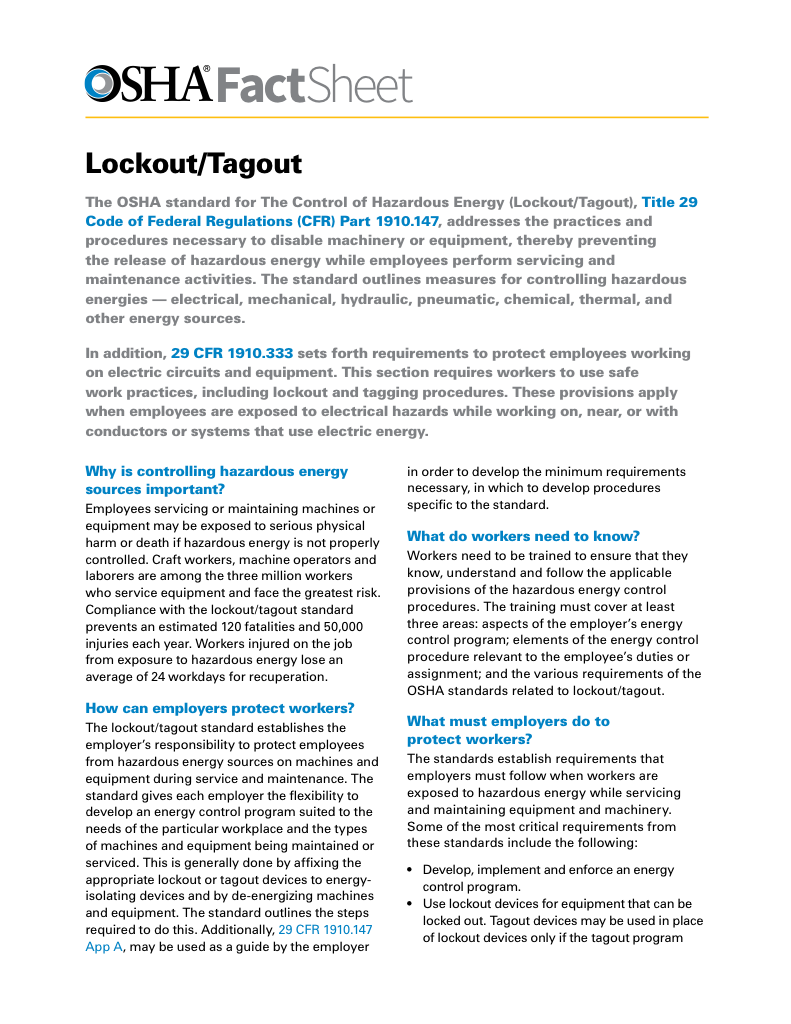
- Learn how to disable machines and isolate energy sources safely
- Follow OSHA guidelines for developing energy control programs
- Protect workers with proper lockout devices and annual inspections
An arc flash breaker, also known as an arc-fault circuit interrupter (AFCI), detects dangerous electrical arcs and de-energizes the circuit to prevent fires. Unlike a standard breaker, it provides enhanced protection against arc faults in residential and commercial systems.
Understanding the Arc Flash Breaker
An arc flash breaker is a specially designed arc-fault circuit breaker that helps reduce the risk of arc-flash (AF) incidents by quickly detecting faults and interrupting current flow before dangerous energy levels are reached. These breakers are critical in enhancing electrical safety by limiting incident energy and protecting both personnel and equipment in high-risk environments. The electric discharge flash breaker is an innovative technology that has significantly improved safety in industrial power systems. This advanced device helps protect personnel and property from the hazards of AF incidents. Understanding arc flash protection is essential for maintaining electrical safety and minimizing risks.
Request a Free Training Quotation
How Does an AF Breaker Help Prevent AF Incidents in Electrical Systems?
AF breakers, particularly AF circuit breakers, are designed to detect electrical discharges that could result in hazardous incidents. When an AF is detected, these breakers immediately de-energize the circuit, preventing further damage. An AF breaker is particularly effective in monitoring branch circuits supplying outlets in areas such as family rooms, dining rooms, living rooms, parlours, libraries, dens, recreation rooms, closets, and hallways. Quickly addressing conditions prevents short circuits and the potential for electrical fires. For general electrical safety tips and guidelines, check out our comprehensive resources.
What Is the Difference Between a Regular Circuit Breaker and an AF Breaker?
A standard circuit breaker is primarily designed to protect against overloads and short circuits by tripping when the current exceeds a certain threshold. However, it does not detect the small electric discharges that can occur in damaged wiring, which may ultimately lead to electrical fires.
Test Your Knowledge About Arc Flash!
Think you know Arc Flash? Take our quick, interactive quiz and test your knowledge in minutes.
- Instantly see your results and score
- Identify strengths and areas for improvement
- Challenge yourself on real-world electrical topics
In contrast, an AF circuit breaker is designed to detect these smaller electric discharges that would otherwise go unnoticed by a standard circuit breaker. These devices monitor both series and parallel conditions, providing enhanced protection by interrupting the arc fault circuit interrupters before the fault can escalate. This makes AF circuit interrupters, AFCIS, essential for residential electrical systems, especially in areas where electrical fires are a common risk. Electrical breakers play a vital role in protecting systems from faults. Learn more in our article on circuit breaker types.
Do You Select the Right AF Breaker for Your Electrical System?
Selecting the right AF breaker depends on the type of electrical system you are working with and the level of protection required. In residential installations, combination-type AFCIS are typically used. These breakers protect against both series and parallel electrical discharge faults that can occur in aging or damaged wiring. The National Electrical Code (NEC) requires AFCI protection to be installed in various dwelling-unit areas, including family rooms, living rooms, dining rooms, and more.
In addition to AFCI, a GFCI (ground-fault circuit interrupter) may be installed in locations such as bathrooms to protect against electric shock. A GFCI works by detecting current leakage to ground and cutting power, providing a different form of protection than an AFCI circuit breaker.
What Role Does An AF Breaker Play in Enhancing Workplace Safety?
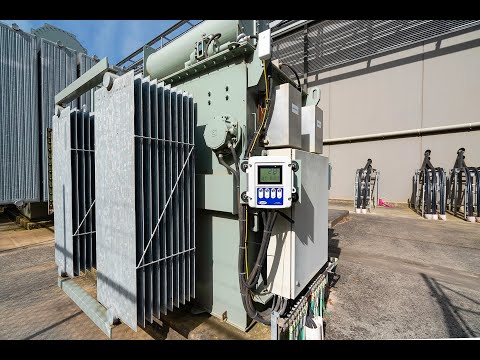
AF breakers, including AF circuit interrupters, enhance workplace safety by preventing electrical fires and other incidents. In industrial settings, they help protect workers by detecting and interrupting dangerous arcing electric discharges that could lead to severe injuries or damage to equipment. Regular maintenance and installation of these breakers, in accordance with the National Electrical Code (NEC) and National Fire Protection Association standards, ensure a safer working environment. Employers should conduct regular electrical safety audits and electric discharge flash studies to identify potential hazards and implement the correct safety measures, including AFCIs.


How Does An AF Breaker Interact with Other Protective Devices?
AF breakers, particularly electric-discharge fault circuit interrupters, often operate in conjunction with other protective devices in an electrical system. In residential settings, AFCIs and ground fault circuit interrupters (GFCIs) provide comprehensive protection against both electrical fires and shock hazards. While AFCIs prevent fires by detecting arcing conditions, GFCIs protect people from electrical shock by sensing current leakage to the ground. Click here to learn how to prevent an arc flash from happening in your work environment, follow essential safety protocols and precautions.
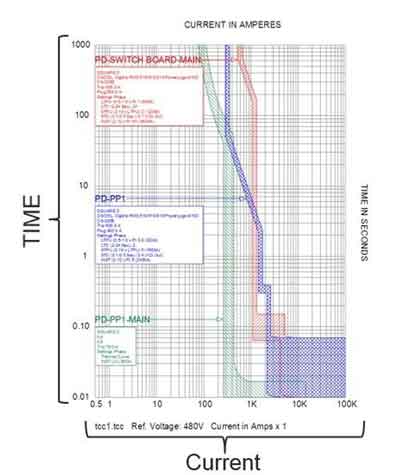
In industrial applications, AF breakers can be integrated with overcurrent protective devices and personal protective equipment (PPE) to create a layered approach to safety. By detecting and responding to electrical faults early, AF breakers prevent hazardous incidents and protect both equipment and personnel.
AF breakers are a crucial component of modern electrical systems, offering advanced protection against electric discharge faults that could otherwise lead to hazardous electrical fires. Unlike standard arc-fault circuit breakers, AFCIs detect smaller electrical discharges and de-energize circuits before a fault can escalate. By following National Electrical Code guidelines and installing AFCIs, homes and workplaces can significantly reduce the risks associated with electrical faults. In conjunction with other protective devices, whether in a home or an industrial facility, these breakers create a safer and more reliable electrical system.
For more information on identifying and addressing electrical safety in the workplace, visit our dedicated page.
Related Articles:
