What is the Relationship Between OSHA and NFPA 70E?
By Frank Baker, Associate Editor
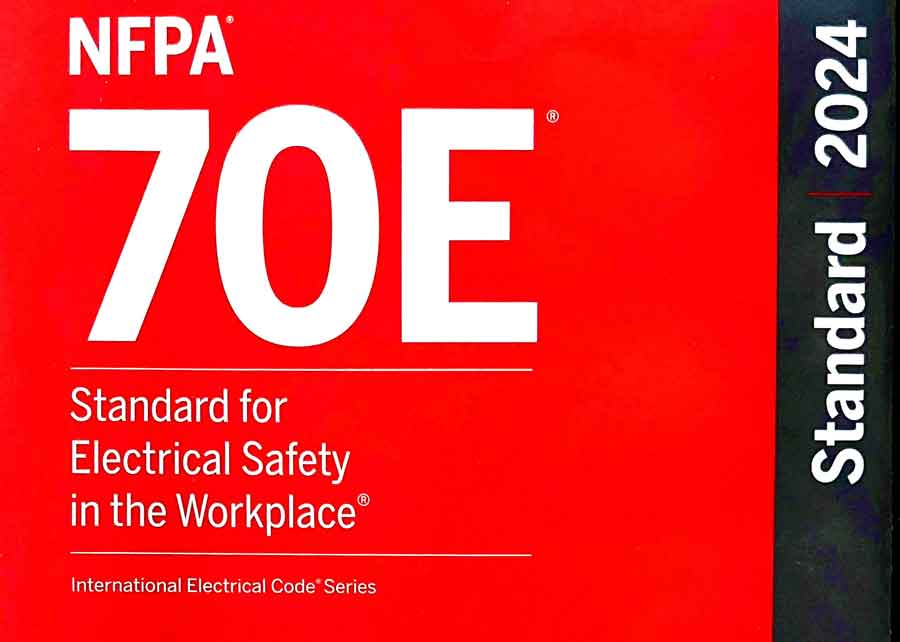
NFPA 70E Training
Our customized live online or in‑person group training can be delivered to your staff at your location.
- Live Online
- 6 hours Instructor-led
- Group Training Available
Download Our OSHA 4475 Fact Sheet – Being Aware of Arc Flash Hazards
- Identify root causes of arc flash incidents and contributing conditions
- Apply prevention strategies including LOTO, PPE, and testing protocols
- Understand OSHA requirements for training and equipment maintenance
The relationship between OSHA and NFPA 70E is practical, not a legal merger. OSHA is the federal agency responsible for workplace safety enforcement. NFPA 70E is the consensus standard that many employers rely on to show that their electrical hazards were recognized and controlled in a defensible way.
In real workplaces, this distinction matters most when something goes wrong, when an incident triggers scrutiny, or when an inspector asks how you decided what “safe” looked like for energized work.
OSHA is the enforcer, NFPA 70E is the benchmark people point to
OSHA sets the legal expectations for protecting employees from electrical hazards, and it can cite employers for failing to meet those obligations. NFPA 70E is not an OSHA regulation, but it is widely treated as the clearest statement of recognized industry practice for electrical safety work. That is why employers often build their program around NFPA 70E language and structure, then use it to support OSHA compliance discussions.
For the OSHA-focused context inside this arc flash cluster, keep the reader inside the enforcement lane with OSHA electrical safety and, when the question turns specifically to arc flash compliance pressure points, OSHA arc flash requirements.
Where NFPA 70E shows up during OSHA scrutiny
OSHA does not “adopt” NFPA 70E in the way many people casually assume. What happens more often is simpler: NFPA 70E becomes the reference point for judging whether an employer treated electrical hazards as recognizable, foreseeable, and controllable. When an employer claims they had a mature electrical safety program, the natural follow-up is how that program was structured, how risks were evaluated, and how decisions were documented. NFPA 70E is frequently the framework used to answer those questions.
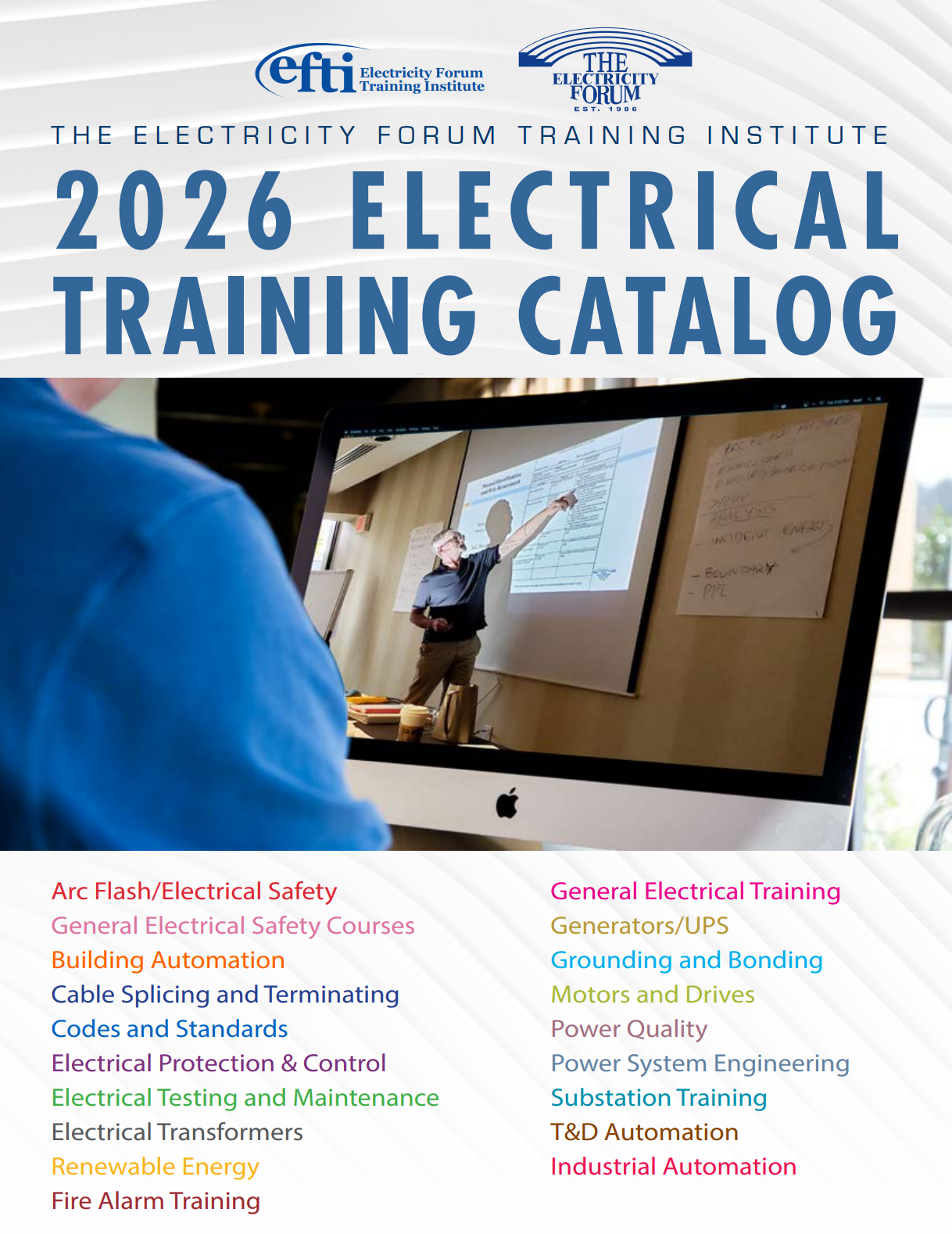
FREE EF Electrical Training Catalog
Download our FREE Electrical Training Catalog and explore a full range of expert-led electrical training courses.
- Live online and in-person courses available
- Real-time instruction with Q&A from industry experts
- Flexible scheduling for your convenience
If the reader needs the standard’s scope and intent in one place, point them to NFPA 70E standard for electrical safety in the workplace.
What this means for employers, without drifting into “how-to.”
The safest way to keep this page single-intent is to stay at the relationship level. Employers are responsible for outcomes; OSHA evaluates compliance, and NFPA 70E often provides the shared language that connects the two. That relationship becomes especially important when internal teams are trying to align operations, maintenance, engineering, and safety under one consistent program, so that practices do not vary by crew, shift, or site.
This is also where confusion creates risk. If a company treats NFPA 70E as optional guidance with no practical consequence, they may find themselves unable to defend their decisions after an incident. If a company treats NFPA 70E as “the law,” they often end up over-explaining procedures where the real issues are governance and accountability.
Common misconceptions that cause compliance noise
One misconception is that OSHA requires NFPA 70E by name. In most cases, OSHA requires a safe workplace and enforces that obligation, while NFPA 70E is a widely accepted way to demonstrate that electrical hazards were handled in accordance with recognized practice.
Another misconception is that this relationship is mainly about PPE. PPE is part of the conversation on other pages, but it is not the core of the OSHA-NFPA 70E relationship. The core is responsibility, enforceability, and whether the employer’s approach looks credible when evaluated against accepted industry practice.
Frequently Asked Questions
Is NFPA 70E legally enforceable like OSHA regulations?
No. OSHA is the enforcement authority. NFPA 70E is a consensus standard. In practice, NFPA 70E is often used to support the argument that an employer followed recognized electrical safety practice.
Does OSHA cite employers for failing to comply with NFPA 70E?
OSHA cites based on law and regulation, not on NFPA 70E as a standalone requirement. NFPA 70E often serves as a reference for what competent hazard control should have looked like.
Where should I go next inside the arc flash cluster?
If the reader is trying to understand the enforcement side, use OSHA electrical safety. If they want the arc flash compliance angle within OSHA’s expectations, use OSHA arc flash requirements.
If they need the NFPA 70E standard’s purpose and scope, use NFPA 70E standard for electrical safety in the workplace.
Related Articles
