What is a Solid State Relay?
By R.W. Hurst, Editor
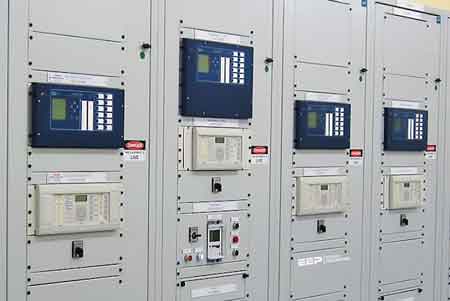
Protective Relay Training - Basic
Our customized live online or in‑person group training can be delivered to your staff at your location.
- Live Online
- 12 hours Instructor-led
- Group Training Available
Download Our OSHA 3875 Fact Sheet – Electrical PPE for Power Industry Workers
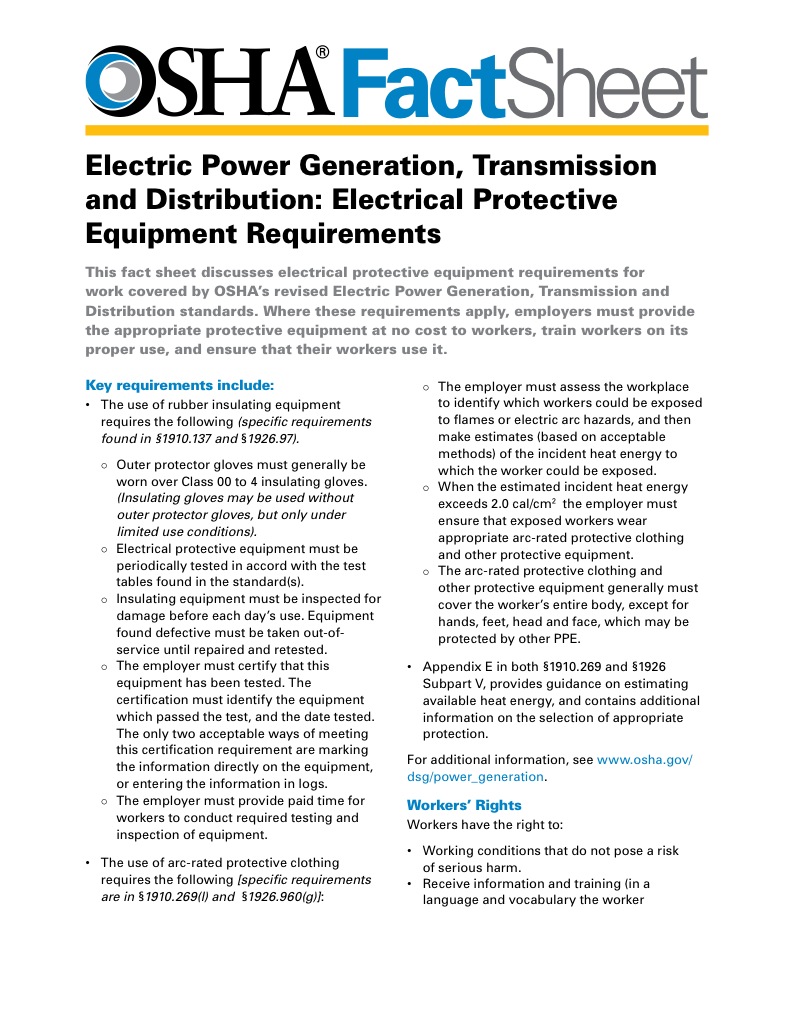
- Follow rules for rubber gloves, arc-rated PPE, and inspection procedures
- Learn employer obligations for testing, certification, and training
- Protect workers from arc flash and electrical shock injuries
A solid state relay (SSR) is an electronic switching device that uses semiconductors instead of mechanical contacts to control AC or DC loads, offering silent operation, fast switching, long life, and low maintenance.
A solid-state relay is a pivotal component in modern electronic systems, offering an efficient, reliable method for controlling electrical power. These solid-state devices operate on semiconductor switching principles, providing an electronic alternative to traditional mechanical relays. This article explores the definition, functionality, benefits, and limitations of SSRs, alongside the technical considerations and performance factors relevant to their application. To understand the operating principles behind semiconductor switching, see our detailed explanation of how a solid-state relay works.
Substation Relay Protection Training
Request a Free Training Quotation
The Fundamentals of Solid State Relays
SSRs offer a modern, efficient solution for electronic dc switching device applications, with significant benefits in terms of reliability, speed, and silent operation. However, their successful integration into electronic systems requires careful consideration. However, their successful integration into electronic systems requires careful consideration of their characteristics and limitations. By understanding these aspects, engineers and technicians can optimize the performance of SSRs, leveraging their advantages while mitigating their drawbacks.
SSRs use semiconductor materials to switch electrical circuits on and off. Unlike electromechanical relays (EMRs), which rely on physical moving parts to create a circuit, SSRs perform this function electronically, enabling non-contact switching.
How SSRs Work
At the heart of a solid state relay is an optical isolation mechanism, typically involving an LED that triggers a semiconductor switch like a thyristor or a triac when activated. This setup ensures that the input voltage and external control signal is electrically isolated from the high-power load circuit. The input signal turns on the LED, which then illuminates a photodetector, which is connected to a power semiconductor element that controls the load circuit, thereby completing the switching action. Proper verification of SSR performance is critical for system reliability, which is why technicians should follow established methods outlined in how to test a solid state relay.
Sign Up for Electricity Forum’s Electrical Protection Newsletter
Stay informed with our FREE Electrical Protection Newsletter — get the latest news, breakthrough technologies, and expert insights, delivered straight to your inbox.
Advantages of Solid State Relays
SSRs are favoured in many applications due to their significant advantages over mechanical relays:
- Reliability and Durability: With no moving parts, SSRs are less prone to mechanical failure, leading to a longer operational lifespan.
- Speed: SSRs can switch much faster than EMRs, with response times typically in the microsecond-to-millisecond range.
- Silent Operation: The absence of mechanical contacts means SSRs operate quietly, an essential feature in noise-sensitive environments.
- Low Power Consumption: SSRs require less energy to operate, as the LED control input consumes minimal power.
- Resistance to Vibration and Shock: Solid-state construction makes SSRs more resistant to physical stress, enhancing their suitability for rugged applications.
In coordinated protection schemes, SSRs often work alongside devices discussed in relay and circuit breaker coordination.
Limitations of SSRs
Despite their benefits, SSRs have some drawbacks:
- Heat Generation: SSRs can generate significant heat under high-load conditions, necessitating proper thermal management.
- Limited Load Types: SSRs may not be suitable for all load types, especially those that are highly inductive or capacitive.
- Voltage Drop and Leakage Current: SSRs typically have a small voltage drop across the output and may allow a slight leakage current even when off.
Technical Considerations in SSR Application
When incorporating SSRs into electrical systems, several technical factors must be taken into account:
- Load Requirements: The load type (AC or DC, resistive, inductive, or capacitive) influences SSR selection.
- Voltage and Current Ratings: SSRs must be chosen based on their ability to handle the maximum expected voltage and current of the application.
- Thermal Management: Adequate cooling, often via heatsinks or fans, is crucial to prevent overheating and ensure reliable operation.
- Isolation Needs: The SSR's isolation level must meet the safety and performance standards of the specific application.
Applications of Solid State Relays
SSRs are widely applied across industries and control systems due to their versatility and performance advantages. Some of their common applications include:
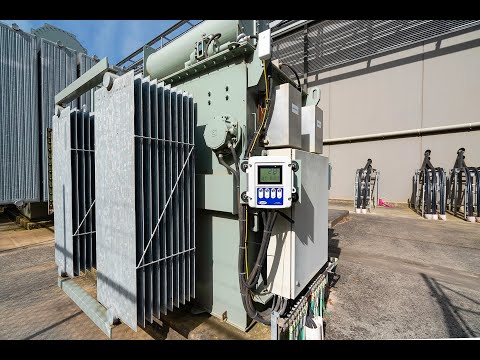
Industrial Automation: In factory automation systems, SSRs are used for controlling motors, solenoid valves, heating elements, and lighting systems
Building Automation: SSRs are used in building automation systems to control HVAC, lighting, and access control equipment.
Medical Equipment: Due to their silent operation and ability to handle low currents, SSRs are used in some medical devices to control functions such as pump operation and lighting.
Power Supplies: Some high-efficiency power supplies utilize SSRs for controlling voltage regulation or output switching.
Test and Measurement Equipment: The fast switching speeds of SSRs make them suitable for applications such as data-acquisition systems and automated test equipment.
Building Automation: SSRs are used in building automation systems to control HVAC, lighting, and access control equipment.
Medical Equipment: Due to their silent operation and ability to handle low currents, SSRs are used in some medical devices to control functions such as pump operation and lighting.
Power Supplies: Some high-efficiency power supplies utilize SSRs for controlling voltage regulation or output switching.
Test and Measurement Equipment: The fast switching speeds of SSRs make them suitable for applications such as data-acquisition systems and automated test equipment.
For applications involving fault interruption and system safety, SSRs support broader strategies such as those covered in power system protection.
Selection Considerations for Solid State Relays
When choosing an SSR for a specific application, several factors need to be considered:
Load Current and Voltage: The SSR's current and voltage ratings must be compatible with the intended load. Exceeding these ratings can damage the SSR.
AC or DC Operation: Depending on the application, select an SSR designed for AC or DC loads. Some SSRs, such as those using TRIACs, can handle both.
Control Signal Voltage: Ensure the SSR's control voltage matches the output voltage of the controlling device (PLC, sensor, etc.).
FREE EF Electrical Training Catalog
Download our FREE Electrical Training Catalog and explore a full range of expert-led electrical training courses.

- Live online and in-person courses available
- Real-time instruction with Q&A from industry experts
- Flexible scheduling for your convenience
Form Factor: SSRs come in various package styles, including through-hole or surface-mount for PCB applications, or larger terminal-block styles for industrial settings. Choose the form factor that best suits the installation requirements.
Additional Features: Some SSRs offer features such as zero-cross switching (reducing EMI noise), built-in overload protection, or LED status indicators. Consider these features based on the specific application needs. When SSRs are used in motor-driven systems, they must align with proper overload strategies described in electric motor protection.
Summary: What is a Solid State Relay?
SSRs offer a compelling alternative to traditional electromechanical relays. Their faster response times, higher accuracy, and reduced maintenance requirements make them a valuable asset in various control systems. As technology continues to evolve, SSRs are expected to see even wider adoption across industries, shaping the future of reliable, efficient switching solutions.
Related Articles
