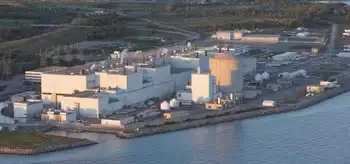
Toronto Prepares for a Surge in Electricity Demand as City Continues to Grow
CSA Z463 Electrical Maintenance -
Our customized live online or in‑person group training can be delivered to your staff at your location.

- Live Online
- 6 hours Instructor-led
- Group Training Available
Toronto Electricity Demand Growth underscores IESO projections of rising peak load by 2050, driven by population growth, electrification, new housing density, and tech economy, requiring grid modernization, transmission upgrades, demand response, and local renewable energy.
The Main Points
It refers to the projected near-doubling of Toronto's peak load by 2050, driven by electrification and urban growth.
Peak demand in Toronto projected to nearly double by 2050, per IESO.
New generation, transmission, substations, and regional macrogrids are planned.
Efficiency, smart grids, storage, and demand response moderate peak load.
Distributed renewables and local resources enhance reliability and resilience.
Toronto faces a significant challenge in meeting the growing electricity needs of its expanding population and ambitious development plans. According to a new report from Ontario's Independent Electricity System Operator (IESO), Toronto's peak electricity demand is expected to nearly double by 2050. This highlights the need for proactive steps to secure adequate electricity supply amidst the city's ongoing economic and population growth.
Key Factors Driving Demand
Several factors are contributing to the projected increase in electricity demand:
Population Growth: Toronto is one of the fastest-growing cities in North America, and this trend is expected to continue. More residents mean more need for housing, businesses, and other electricity-consuming infrastructure.
- New Homes and Density: The city's housing strategy calls for 285,000 new homes within the next decade, including significant densification in existing neighbourhoods. High-rise buildings in urban centers are generally more energy-intensive than low-rise residential developments.
- Economic Development: Toronto's robust economy, a hub for tech and innovation, attracts new businesses, including energy-intensive AI data centers that fuel further demand for electricity.
- Electrification: The push to reduce carbon emissions is driving the electrification of transportation and home heating, further increasing pressure on Toronto's electricity grid.
Planning for the Future
Ontario and the City of Toronto recognize the urgency to secure stable and reliable electricity supplies to support continued growth and prosperity without sacrificing affordability, drawing lessons from British Columbia's clean energy shift to inform local approaches. Officials are collaborating to develop a long-term plan that focuses on:
- Energy Efficiency: Efforts aim to reduce wasteful electricity usage through upgrades to existing buildings, promoting energy-efficient appliances, and implementing smart grid technologies. These will play a crucial role in curbing overall demand.
- New Infrastructure: Significant investments in building new electricity generation, transmission lines, and substations, as well as regional macrogrids to enhance reliability, will be necessary to meet the projected demands of Toronto's future.
- Demand Management: Programs incentivizing energy conservation during peak hours will help to avoid strain on the grid and reduce the need to build expensive power plants only used at peak demand times.
Challenges Ahead
The path ahead isn't without its hurdles. Building new power infrastructure in a dense urban environment like Toronto can be time-consuming, expensive, and sometimes disruptive, especially as grids face harsh weather risks that complicate construction and operations. Residents and businesses might worry about potential rate increases required to fund these necessary investments.
Opportunity for Innovation
The IESO and the city view the situation as an opportunity to embrace innovative solutions. Exploring renewable energy sources within and near the city, developing local energy storage systems, and promoting distributed energy generation such as rooftop solar, where power is created near the point of use, are all vital strategies for meeting needs in a sustainable way.
Toronto's electricity future depends heavily on proactive planning and investment in modernizing its power infrastructure. The decisions made now will determine whether the city can support economic growth, address climate goals and a net-zero grid by 2050 ambition, and ensure that lights stay on for all Torontonians as the city continues to expand.