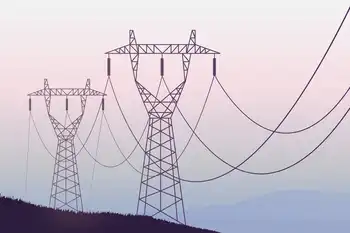
Canadian Electricity Grids Increasingly Exposed to Harsh Weather
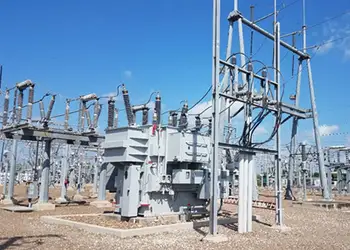
Substation Relay Protection Training
Our customized live online or in‑person group training can be delivered to your staff at your location.
- Live Online
- 12 hours Instructor-led
- Group Training Available
North American Grid Reliability faces extreme weather, climate change, demand spikes, and renewable variability; utilities, AESO, and NERC stress resilience, dispatchable capacity, interconnections, and grid alerts to prevent blackouts during heatwaves and cold snaps.
What's Happening
North American grid reliability is the ability to meet demand during extreme weather while maintaining stability.
Extreme weather drives demand peaks across North America.
NERC warns elevated winter risks for insufficient supply.
Alberta saw surge in grid alerts during severe cold.
Balance dispatchable and intermittent resources for reliability.
Expand interconnections and reserve capacity to prevent blackouts.
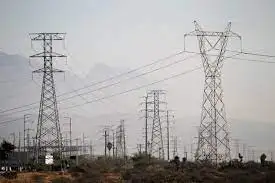
The recent alerts in Alberta's electricity grid during extreme cold have highlighted a broader North American issue, where power systems are more susceptible to being overwhelmed by extreme weather impacts on reliability.
Electricity Canada's chief executive emphasized that no part of the grid is safe from the escalating intensity and frequency of weather extremes linked to climate change across the sector.
“In recent years, during these extreme weather events, we’ve observed record highs in electricity demand,” he stated.
“It’s a nationwide phenomenon. For instance, last summer in Ontario and last winter in Quebec, we experienced unprecedented demand levels. This pattern of extremes is becoming more pronounced across the country.”
The U.S. has also experienced strain on its electricity grids due to extreme weather, with more blackouts than peers documented in studies. Texas faced power outages in 2021 due to winter storms, and California has had to issue several emergency grid alerts during heat waves.
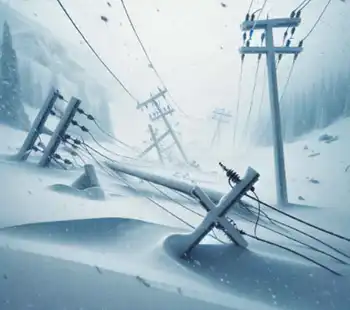
In Canada, Albertans received a government emergency alert two weeks ago, urging an immediate reduction in electricity use to prevent potential rotating blackouts as temperatures neared -40°C. No blackouts occurred, with a notable decrease in electricity use following the alert, according to the Alberta Electric System Operator (AESO).
AESO's data indicates an increase in grid alerts in Alberta for both heatwaves and cold spells, reflecting dangerous vulnerabilities noted nationwide. The period between 2017 and 2020 saw only four alerts, in contrast to 17 since 2021.
Alberta's electricity grid reliability has sparked political debate, including proposals for a western Canadian grid to improve reliability, particularly with the transition from coal-fired plants to increased reliance on intermittent wind and solar power. Despite this debate, the AESO noted that the crisis eased when wind and solar generation resumed, despite challenges with two idled gas plants.
Bradley pointed out that Alberta's grid issues are not isolated. Every Canadian region is experiencing growing electricity demand, partly due to the surge in electric vehicles and clean energy technologies. No province has a complete solution yet.
“Ontario has had to request reduced consumption during heatwaves,” he noted. “Similar concerns about energy mix are present in British Columbia or Manitoba, especially now with drought affecting their hydro-dependent systems.”
The North American Electric Reliability Corporation (NERC) released a report in November warning of elevated risks across North America this winter for insufficient energy supplies, particularly under extreme conditions like prolonged cold snaps.
While the U.S. is generally more susceptible to winter grid disruptions, and summer blackout warnings remain a concern, the report also highlights risks in parts of Canada. Saskatchewan faces a “high” risk due to increased demand, power plant retirements, and maintenance, whereas Quebec and the Maritimes are at “elevated risk.”
Mark Olson, NERC’s manager of reliability assessments, mentioned that Alberta wasn't initially considered at risk, illustrating the challenges in predicting electricity demand amid intensifying extreme weather.
Rob Thornton, president and CEO of the International District Energy Association, acknowledged public concerns about grid alerts but reassured that the risk of a catastrophic grid failure remains very low.
“The North American grid is exceptionally reliable. It’s a remarkably efficient system,” he said.
However, Thornton emphasized the importance of policies for a resilient and reliable electricity system through 2050 and beyond. This involves balancing dispatchable and intermittent electricity sources, investing in extra capacity, enhancing macrogrids and inter-jurisdictional connections, and more.
“These grid alerts raise awareness, if not anxiety, about our energy future,” Thornton concluded.