Integrating AI Data Centers into Canada's Electricity Grids
Electrical Testing & Commissioning of Power Systems
Our customized live online or in‑person group training can be delivered to your staff at your location.
- Live Online
- 12 hours Instructor-led
- Group Training Available
Canada AI Data Center Grid Integration aligns AI demand with renewable energy, energy storage, and grid reliability. It emphasizes transmission upgrades, liquid cooling efficiency, and policy incentives to balance economic growth with sustainable power.
Essential Takeaways
Linking AI data centers to Canada's grid with renewables, storage, and efficiency to ensure reliable, sustainable power.
Diversify supply with wind, solar, hydro, and firm low-carbon resources
Deploy grid-scale batteries to balance peaks and enhance reliability
Upgrade transmission, distribution, and adopt liquid cooling efficiency
Artificial intelligence (AI) is revolutionizing various sectors, driving demand for data centers that support AI applications. In Canada, this surge in data center development presents both economic opportunities and challenges for the electricity grid, where utilities using AI to adapt to evolving demand dynamics. Integrating AI-focused data centers into Canada's electricity infrastructure requires strategic planning to balance economic growth with sustainable energy practices.
Economic and Technological Incentives
Canada has been at the forefront of AI research for over three decades, establishing itself as a global leader in the field. The federal government has invested significantly in AI initiatives, with over $2 billion allocated in 2024 to maintain Canada's competitive edge and to align with a net-zero grid by 2050 target nationwide. Provincial governments are also actively courting data center investments, recognizing the economic and technological benefits these facilities bring. Data centers not only create jobs and stimulate local economies but also enhance technological infrastructure, supporting advancements in AI and related fields.
Challenges to the Electricity Grid
However, the energy demands of AI data centers pose significant challenges to Canada's electricity grid, mirroring the power challenge for utilities seen in the U.S., as demand rises. The North American Electric Reliability Corporation (NERC) has raised concerns about the growing electricity consumption driven by AI, noting that the current power generation capacity may struggle to meet this increasing demand, while grids are increasingly exposed to harsh weather conditions that threaten reliability as well. This situation could lead to reliability issues, including potential blackouts during peak demand periods, jeopardizing both economic activities and the progress of AI initiatives.
Strategic Integration Approaches
To effectively integrate AI data centers into Canada's electricity grids, a multifaceted approach is essential:
-
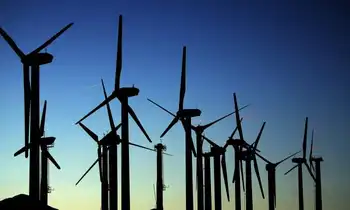
Diversifying Energy Sources: Relying solely on traditional energy sources may not suffice to meet the heightened demands of AI data centers. Incorporating renewable energy sources, such as wind, solar, and hydroelectric power, can provide sustainable alternatives. For instance, Alberta has emerged as a proactive player in supporting AI-enabled data centers, with the TransAlta data centre agreement expected to advance this momentum, leveraging its renewable energy potential to attract such investments.
-
Implementing Energy Storage Solutions: Integrating large-scale battery storage systems can help manage the intermittent nature of renewable energy. These systems store excess energy generated during low-demand periods, releasing it during peak times to stabilize the grid. In some communities, AI-driven grid upgrades complement storage deployments to optimize operations, which supports data center needs and community reliability.
-
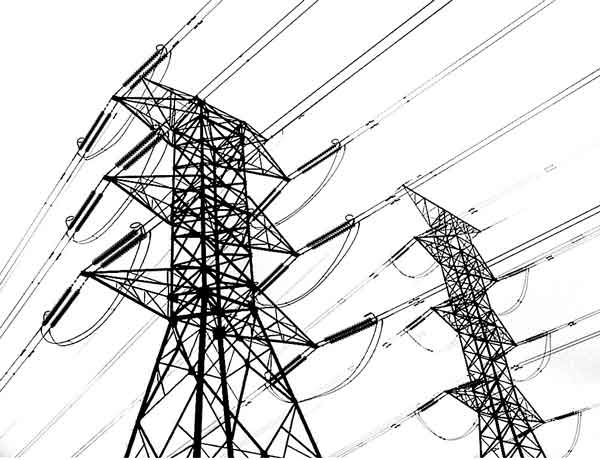
Enhancing Grid Infrastructure: Upgrading transmission and distribution networks is crucial to handle the increased load from AI data centers. Strategic investments in grid infrastructure can prevent bottlenecks and ensure efficient energy delivery, including exploration of macrogrids in Canada to improve regional transfers, supporting both existing and new data center operations.
-
Adopting Energy-Efficient Data Center Designs: Designing data centers with energy efficiency in mind can significantly reduce their power consumption. Innovations such as liquid cooling systems are being explored to manage the heat generated by high-density AI workloads, offering more efficient alternatives to traditional air cooling methods.
-
Establishing Collaborative Policies: Collaboration among government entities, utility providers, and data center operators is vital to align energy policies with technological advancements. Developing regulatory frameworks that incentivize sustainable practices can guide the growth of AI data centers in harmony with grid capabilities.
Integrating AI data centers into Canada's electricity grids presents both significant opportunities and challenges. By adopting a comprehensive strategy that includes diversifying energy sources, implementing advanced energy storage, enhancing grid infrastructure, promoting energy-efficient designs, and fostering collaborative policies, Canada can harness the benefits of AI while ensuring a reliable and sustainable energy future. This balanced approach will position Canada as a leader in both AI innovation and sustainable energy practices.