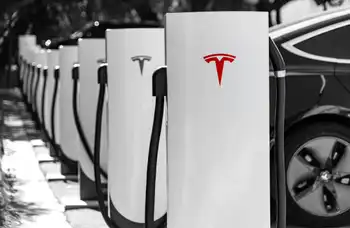
Fixing California's electric grid is like repairing a car while driving
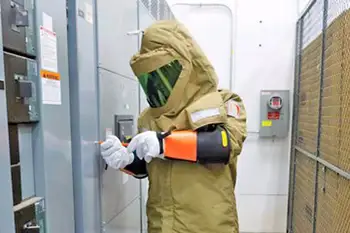
CSA Z462 Arc Flash Training – Electrical Safety Compliance Course
Our customized live online or in‑person group training can be delivered to your staff at your location.
- Live Online
- 6 hours Instructor-led
- Group Training Available
CAISO Clean Energy Transition outlines California's path to 100% carbon-free power by 2045, scaling renewables, battery storage, and offshore wind while safeguarding grid reliability, managing natural gas, and leveraging Western markets like EDAM.
Main Details
CAISO Clean Energy Transition is the plan to reach 100% carbon-free power by 2045 while maintaining grid reliability.
Target: add 7 GW/year to reach 120 GW capacity by 2045
Battery storage up 30x; smooths intermittent solar and wind
EDAM and WEIM enhance imports, savings, and reliability
Mark Rothleder, Chief Operating Officer and Senior Vice President at the California Independent System Operator (CAISO), which manages roughly 80% of California’s electric grid, has expressed cautious optimism about meeting the state's ambitious clean energy targets while keeping the lights on across the grid. However, he acknowledges that this journey will not be without its challenges.
California aims to transition its power system to 100% carbon-free sources by 2045, ensuring a reliable electricity supply at reasonable costs for consumers. Rothleder, aware of the task's enormity, likens it to a complex car repair performed while the vehicle is in motion.
Recent achievements have demonstrated California's ability to temporarily sustain its grid using clean energy sources. According to Rothleder, the real challenge lies in maintaining this performance round the clock, every day of the year.
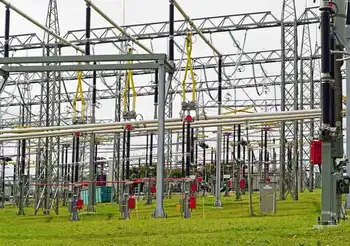
Adding thousands of megawatts of renewable energy into California’s existing 50-gigawatt system, which needs to expand to 120 gigawatts to meet the 2045 goal, poses a significant challenge, though recent grid upgrade funding offers some support for needed infrastructure. CAISO estimates that an addition of 7 gigawatts of clean power per year for the next two decades is necessary, all while ensuring uninterrupted power delivery.
While natural gas currently constitutes California's largest single source of power, Rothleder notes the need to gradually decrease reliance on it, even as it remains an operational necessity in the transition phase.
In 2023, CAISO added 5,660 megawatts of new power to the grid, with plans to integrate over 1,100 additional megawatts in the next six to eight months of 2024. Battery storage, crucial for mitigating the intermittent nature of wind and solar power, has seen substantial growth as California turns to batteries for grid support, increasing 30-fold in three years.
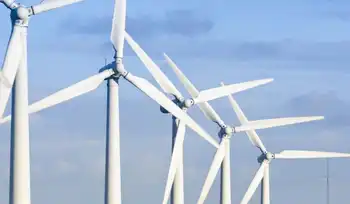
Rothleder emphasizes that electricity reliability is paramount, as consumers always expect power availability. He also highlights the potential of offshore wind projects to significantly contribute to California's power mix by 2045.
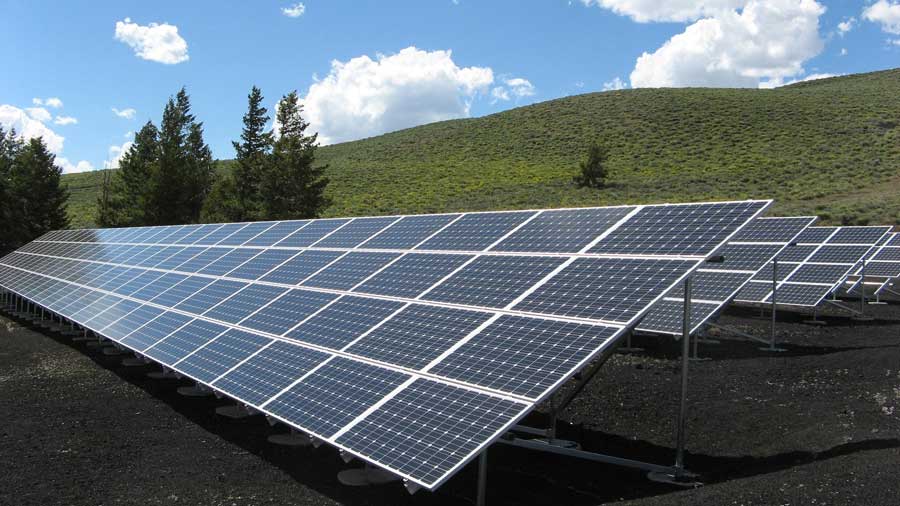
The offshore wind industry faces financial and supply chain challenges despite these plans. CAISO’s 20-year outlook indicates a significant increase in utility-scale solar, requiring extensive land use and wider deployment of advanced inverters for grid stability.
Addressing affordability is vital, especially as California residents face increasing utility bills. Rothleder suggests a broader energy cost perspective, encompassing utility and transportation expenses.
Despite smooth grid operations in 2023, challenges in previous years, including extreme weather-induced power outages driven by climate change, underscore the need for a robust, adaptable grid. California imports about a quarter of its power from neighbouring states and participates in the Western Energy Imbalance Market, which has yielded significant savings.
CAISO is also working on establishing an extended day-ahead electricity market (EDAM) to enhance the current energy market's success, building on insights from a Western grid integration report that supports expanded coordination.
Rothleder believes that a thoughtfully designed, diverse power system can offer greater reliability and resilience in the long run. A future grid reliant on multiple, smaller power sources such as microgrids could better absorb potential losses, ensuring a more reliable electricity supply for California.