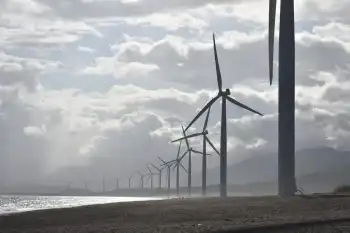
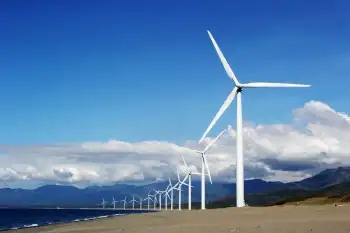
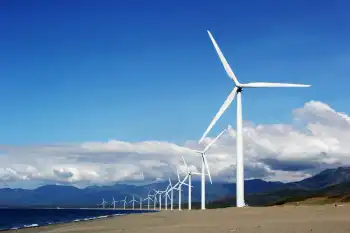
Renewables Poised to Eclipse Coal in Global Power Generation by 2025
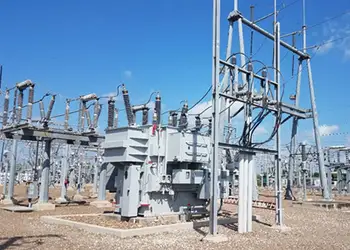
Substation Relay Protection Training
Our customized live online or in‑person group training can be delivered to your staff at your location.
- Live Online
- 12 hours Instructor-led
- Group Training Available
IEA Electricity 2024 Renewables Outlook projects renewable energy surpassing coal in global electricity generation by early 2025, with nuclear power rebounding, clean energy expansion, electrification, and grid upgrades cutting emissions and decarbonizing power systems.
What's Behind the News
IEA forecast: renewables beat coal by 2025, nuclear rebounds, speeding cleaner power and deeper emissions cuts by 2026.
Renewables surpass coal in global generation by early 2025.
Nuclear output hits record in 2025 after recent downturn.
Clean energy meets almost all demand growth through 2026.
Fossil fuels fall to about 54 percent of generation by 2026.
Grid upgrades and policy support are critical to integrate renewables.
The International Energy Agency's latest Electricity 2024 report predicts that renewable energy sources will surpass coal in global electricity generation by early 2025, reaching over one-third of the world's total power output. Additionally, nuclear power is expected to achieve record production levels by 2025, recovering from recent downturns and reflecting low-carbon electricity lessons from the COVID-19 period.
By 2026, the report estimates that renewables and nuclear will jointly contribute to nearly half of the global power generation, up from less than 40 percent in 2023. This shift is crucial as the United Nations emphasizes the transition to clean energy, with Asia to use half of electricity by 2025 highlighting the scale of the challenge, as a key factor in limiting global warming to 1.5 degrees Celsius above preindustrial levels.
IEA Executive Director Fatih Birol highlighted the promising trends of renewables, led by affordable solar power and the resurgence of nuclear power, as key factors covering almost all demand growth over the next three years.
At the COP28 climate summit in Dubai, participants agreed on a plan for phasing out fossil fuels and committed to tripling renewable capacity by 2030. This shift in the electricity mix is expected to reduce emissions from the power sector, which is currently the largest source of carbon dioxide emissions worldwide.
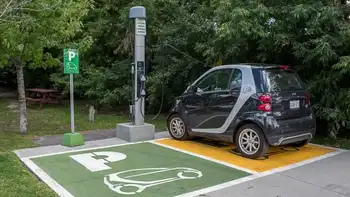
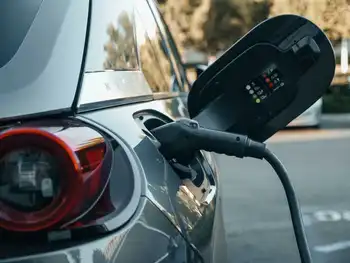
Despite a modest 2.2 percent growth in global electricity demand in 2023, an acceleration to an average annual increase of 3.4 percent is projected from 2024 to 2026. This surge in electricity demand is driven by factors like home and business electrification, the proliferation of electric vehicles, and industrial expansion.
Significant growth in electricity usage from data centers worldwide is anticipated, potentially doubling between 2022 and 2026, as global power demand has surged above pre-pandemic levels. Regulatory updates and technological advancements are essential to manage this energy consumption increase effectively.
Emissions from the electricity sector are expected to decrease following a 1 percent rise in 2023, with a more than 2 percent reduction projected in 2024 and continued declines in subsequent years. This reduced carbon intensity in electricity generation will enhance the emissions savings from electrifying cars and appliances.
Natural gas-fired power is predicted to see a modest increase over the next three years, primarily replacing coal power. While Europe has witnessed sharp declines in gas power, EU wind and solar beat gas last year, growth in the United States, Asia, Africa, and the Middle East is expected due to available liquefied natural gas supplies.
By 2026, fossil fuels are forecasted to account for 54 percent of global generation, dropping below 60 percent for the first time in over five decades. The U.S. is anticipated to boost renewable generation by approximately 10 percent annually between 2024 and 2026, surpassing coal generation in 2024.
The report warns of potential risks to clean energy trends, including droughts impacting hydropower, extreme weather affecting electricity reliability, and supply chain interruptions threatening new renewable and nuclear projects, and a generation mix sensitive to policies and gas prices that could shift trajectories.
Keisuke Sadamori, IEA’s director of energy markets and security, underscores the need for continued investment in grid infrastructure to integrate incoming renewable energy and sustain the power sector's trajectory towards emissions reduction goals.