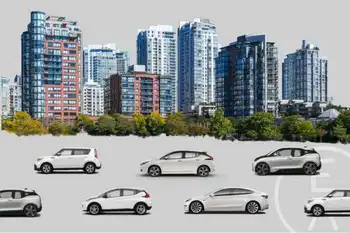
Within A Decade, We Will All Be Driving Electric Cars

NFPA 70b Training - Electrical Maintenance
Our customized live online or in‑person group training can be delivered to your staff at your location.

- Live Online
- 12 hours Instructor-led
- Group Training Available
Electric Vehicle Price Parity 2027 signals cheaper EV manufacturing as battery costs plunge, widening model lineups, and tighter EU emissions rules; UBS and BloombergNEF foresee parity, with TCO advantages over ICE amid growing fast-charging networks.
What This Means
EV cost parity in 2027 when manufacturing undercuts ICE, led by cheaper batteries, wider lineups, and emissions policy.
EVs cheaper to manufacture than ICE in all segments by 2027
Battery prices fell 88% in 10y; another 58% drop forecast
Mid-range EV pre-tax: EUR 16,300 in 2030 vs ICE EUR 19,900
EU fines, new models, and charging buildout speed adoption
A Bloomberg/NEF report commissioned by Transport & Environment forecasts 2027 as the year when electric vehicles will start to become cheaper to manufacture than their internal combustion equivalents across all segments, aligning with analyses that the EV age is arriving ahead of schedule for consumers and manufacturers alike, mainly due to a sharp drop in battery prices and the appearance of new models by more manufacturers.
Batteries, which have fallen in price by 88% over the past decade and are expected to plunge by a further 58% over the next 10 years, make up between one-quarter and two-fifths of the total price of a vehicle. The average pre-tax price of a mid-range electric vehicle is around €33,300, and higher upfront prices concern many UK buyers compared to €18,600 for its diesel or gasoline equivalent. In 2026, both are expected to cost around €19,000, while in 2030, the same electric car will cost €16,300 before tax, while its internal combustion equivalent will cost €19,900, and that’s without factoring in government incentives.
Other reports, such as a recent one by UBS, put the date of parity a few years earlier, by 2024, after which they say there will be little reason left to buy a non-electric vehicle, as the market has expanded from near zero to 2 million in just five years.
In Europe, carmakers will become a particular stakeholder in this transition due to heavy fines for exceeding emissions limits calculated on the basis of the total number of vehicles sold. Increasing the percentage of electric vehicles in the annual sales portfolio is seen by the industry as the only way to avoid these fines. In addition to brands such as Bentley or Jaguar Land Rover, which have announced the total abandonment of internal combustion engine technology by 2025, or Volvo, which has set 2030 as the target date, other companies such as Ford, which is postponing this date in its home market, also set 2030 for the European market, which clearly demonstrates the suitability of this type of policy.
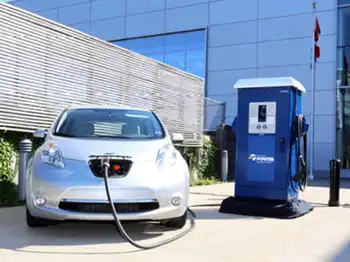
Nevertheless internal combustion vehicles will continue to travel on the roads or will be resold in developing countries. In addition to the price factor, which is even more accentuated when estimates are carried out in terms of total cost of ownership calculations due to the lower cost of electric recharging versus fuel and lower maintenance requirements, other factors such as the availability of fast charging networks must be taken into account.
While price parity is approaching, it is worth thinking about the factors that are causing car sales, which are still behind gasoline models in share, to suffer: the chip crisis, which is strongly affecting the automotive industry and will most likely extend until 2022, is creating production problems and the elimination of numerous advanced electronic options in many models, which reduces the incentive to purchase a vehicle at the present time. These types of reasons could lead some consumers to postpone purchasing a vehicle precisely when we may be talking about the final years for internal combustion technology, which would increase the likelihood that, later on and as the price gap closes, they would opt for an electric vehicle.
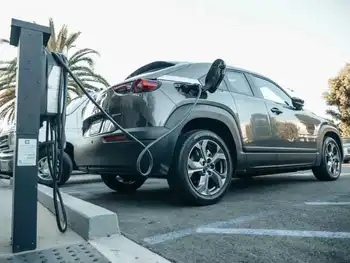
Finally, in the United States, the ambitious infrastructure plan put in place by the Biden administration also promises to accelerate the transition to electric vehicles by addressing key barriers to mainstream adoption such as charging access, which in turn is fueling the interest of automotive companies to have more electric vehicles in their range. In Europe, meanwhile, more Chinese brands offering electric vehicles are beginning to enter the most advanced markets, such as Norway and the Netherlands, with plans to expand to the rest of the continent with very competitive offers in terms of price.
One way or another, the future of the automotive industry is electric, and the transition will take place during the remainder of this decade. You might want to think about it if you are weighing whether it’s time to buy an electric car this year.