Philippines Ranks Highest in Coal-Generated Power Dependency
Substation Relay Protection Training
Our customized live online or in‑person group training can be delivered to your staff at your location.
- Live Online
- 12 hours Instructor-led
- Group Training Available
Philippines coal dependency underscores energy transition challenges, climate change risks, and air pollution, as rising electricity demand, fossil fuels, and emissions shape policy shifts toward renewable energy, grid reliability, and sustainable development.
Essential Takeaways
It is rising reliance on coal for power, driven by demand and cost, with climate, air pollution, and policy risks.
Driven by rising demand, affordability, and grid reliability.
Worsens emissions, air pollution, and public health burdens.
Policy shifts aim at renewable energy, efficiency, and standards.
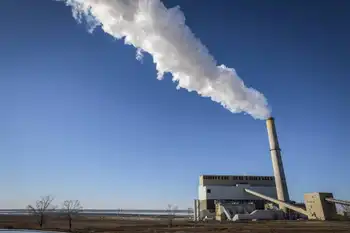
In a striking development, the Philippines has surpassed China and Indonesia to become the nation most dependent on coal-generated power in recent years. This shift highlights significant implications for the country's energy strategy, environmental policies, and its commitment to sustainable development, and comes as global power demand continues to surge worldwide.
Rising Dependency on Coal
The Philippines' increasing reliance on coal-generated power is driven by several factors, including rapid economic growth, rising electricity demand, and regional uncertainties in China's electricity sector that influence fuel markets, and the perceived affordability and reliability of coal as an energy source. Coal has historically been a key component of the Philippines' energy mix, providing a stable supply of electricity to support industrialization and urbanization efforts.
Environmental and Health Impacts
Despite its economic benefits, coal-generated power comes with significant environmental and health costs, especially as soaring electricity and coal use amplifies exposure to pollution. Coal combustion releases greenhouse gases such as carbon dioxide, contributing to global warming and climate change. Additionally, coal-fired power plants emit pollutants such as sulfur dioxide, nitrogen oxides, and particulate matter, which pose health risks to nearby communities and degrade air quality.
Policy and Regulatory Landscape
The Philippines' energy policies have evolved to address the challenges posed by coal dependency while promoting sustainable alternatives. The government has introduced initiatives to encourage renewable energy development, improve energy efficiency, and, alongside stricter emissions standards on coal-fired power plants, is evaluating nuclear power for inclusion in the energy mix to meet future demand. However, balancing economic growth with environmental protection remains a complex and ongoing challenge.
International and Domestic Pressures
Internationally, there is growing pressure on countries to reduce reliance on fossil fuels and transition towards cleaner energy sources as part of global climate commitments under the Paris Agreement, illustrated by the United Kingdom's plan to end coal power within its grid. The Philippines' status as the most coal-dependent nation underscores the urgency for policymakers to accelerate the shift towards renewable energy and reduce carbon emissions to mitigate climate impacts.
Challenges and Opportunities
Transitioning away from coal-generated power presents both challenges and opportunities for the Philippines. Challenges include overcoming entrenched interests in the coal industry, addressing energy security concerns, and navigating the economic implications of energy transition, particularly as clean energy investment in developing nations has recently declined, adding financial headwinds. However, embracing renewable energy offers opportunities to diversify the energy mix, reduce dependence on imported fuels, create green jobs, and improve energy access in remote areas.
Community and Stakeholder Engagement
Engaging communities and stakeholders is crucial in shaping the Philippines' energy transition strategy. Local residents, environmental advocates, industry leaders, and policymakers play essential roles in fostering dialogue, raising awareness about the benefits of renewable energy, and advocating for policies that promote sustainable development and protect public health.
Future Outlook
The Philippines' path towards reducing coal dependency and advancing renewable energy is critical to achieving long-term sustainability and resilience against climate change impacts. By investing in renewable energy infrastructure, enhancing energy efficiency measures, and fostering innovation in clean technologies, as renewables poised to eclipse coal indicate broader momentum, the country can mitigate environmental risks, improve energy security, and contribute to global efforts to combat climate change.
Conclusion
As the Philippines surpasses China and Indonesia in coal-generated power dependency, the nation faces pivotal decisions regarding its energy future. Balancing economic growth with environmental stewardship requires strategic investments in renewable energy, robust policy frameworks, and proactive engagement with stakeholders to achieve a sustainable and resilient energy system. By prioritizing clean energy solutions, the Philippines can pave the way towards a greener and more sustainable future for generations to come.