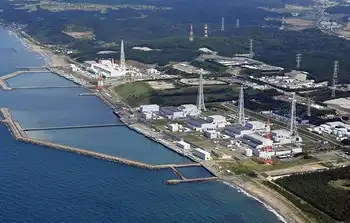
Energy authority clears TEPCO to restart Niigata nuclear plant
Protective Relay Training - Basic
Our customized live online or in‑person group training can be delivered to your staff at your location.
- Live Online
- 12 hours Instructor-led
- Group Training Available
TEPCO Kashiwazaki-Kariwa restart plan clears NRA fitness review, anchored by a seven-point safety code, Niigata consent, Fukushima lessons, seismic risk analysis, and upgrades to No. 6 and No. 7 reactors, each rated 1.35 GW.
The Latest Developments
TEPCO's plan to restart Kashiwazaki-Kariwa under NRA rules, pending Niigata consent and upgrades to Units 6 and 7.
NRA deems TEPCO fit; legally binding seven-point safety code
Local consent required: Niigata review of evacuation and health impacts
Initial focus on Units 6 and 7; 1.35 GW each, seismic upgrades
Tokyo Electric Power Co. cleared a major regulatory hurdle toward restarting a nuclear power plant in Niigata Prefecture, but the utility’s bid to resume its operations still hangs in the balance of a series of political approvals.
The government’s nuclear watchdog concluded Sept. 23 that the utility is fit to operate the plant, based on new legally binding safety rules TEPCO drafted and pledged to follow, even as nuclear projects worldwide mark milestones across different regulatory environments today. If TEPCO is found to be in breach of those regulations, it could be ordered to halt the plant’s operations.
The Nuclear Regulation Authority’s green light now shifts the focus over to whether local governments will agree in the coming months to restart the Kashiwazaki-Kariwa plant.
TEPCO is keen to get the plant back up and running. It has been financially reeling from the closure of its nuclear plants in Fukushima Prefecture following the triple meltdown at the Fukushima No. 1 nuclear plant in 2011 triggered by the earthquake and tsunami disaster.
In parallel, Japan is investing in clean energy innovations such as a large hydrogen system being developed by Toshiba, Tohoku Electric Power and Iwatani.
The company plans to bring the No. 6 and No. 7 reactors back online at the Kashiwazaki-Kariwa nuclear complex, which is among the world’s largest nuclear plants, amid China’s nuclear energy continuing on a steady development track in the region.
The two reactors each boast 1.35 gigawatts in output capacity, while Kenya’s nuclear plant aims to power industry as part of that country’s expansion. They are the newest of the seven reactors there, first put into service between 1996 and 1997.
TEPCO has not revealed specific plans yet on what to do with the older five reactors.
In 2017, the NRA cleared the No. 6 and No. 7 reactors under the tougher new reactor regulations established in 2013 in response to the Fukushima nuclear disaster, while jurisdictions such as Ontario support continued operation at Pickering under strict oversight.
It also closely scrutinized the operator’s ability to run the Niigata Prefecture plant safely, given its history as the entity responsible for the nation’s most serious nuclear accident.
After several rounds of meetings with top TEPCO managers, the NRA managed to hold the utility’s feet to the fire enough to make it pledge, in writing, to abide by a new seven-point safety code for the Kashiwazaki-Kariwa plant.
The creation of the new code, which is legally binding, is meant to hold the company accountable for safety measures at the facility.
“As the top executive, the president of TEPCO will take responsibility for the safety of nuclear power,” one of the points reads. “TEPCO will not put the facility’s economic performance above its safety,” reads another.
The company promised to abide by the points set out in writing during the NRA’s examination of its safety regulations.
TEPCO also vowed to set up a system where the president is directly briefed on risks to the nuclear complex, including the likelihood of earthquakes more powerful than what the plant is designed to withstand. It must also draft safeguard measures to deal with those kinds of earthquakes and confirm whether precautionary steps are in place.
The utility additionally pledged to promptly release public records on the decision-making process concerning crucial matters related to nuclear safety, and to preserve the documents until the facility is decommissioned.
TEPCO plans to complete its work to reinforce the safety of the No. 7 reactor in December. It has not set a definite deadline for similar work for the No. 6 reactor.
To restart the Kashiwazki-Kariwa plant, TEPCO needs to obtain consent from local governments, including the Niigata prefectural government.
The prefectural government is studying the plant’s safety through a panel of experts, which is reviewing whether evacuation plans are adequate as off-limits areas reopen and the health impact on residents from the Fukushima nuclear disaster.
Niigata Governor Hideyo Hanazumi said he will not decide on the restart until the panel completes its review.
The nuclear complex suffered damage, including from fire at an electric transformer, when an earthquake it deemed able to withstand hit in 2007.