More pylons needed to ensure 'lights stay on' in Scotland, says renewables body

High Voltage Maintenance Training Online
Our customized live online or in‑person group training can be delivered to your staff at your location.

- Live Online
- 12 hours Instructor-led
- Group Training Available
Scottish Renewable Grid Upgrades address outdated infrastructure, expanding transmission lines, pylons, and substations to move clean energy, meet rising electricity demand, and integrate onshore wind, offshore wind, and battery storage across Scotland.
The Core Facts
Planned transmission upgrades in Scotland to move clean power via new lines and substations for a low-carbon grid.
Fossil-era grid constraints delay Scotland's renewable projects.
5x more transmission lines by 2030; est. cost about £50bn.
Local protests oppose new pylons; route via Spittal-Beauly disputed.
Electricity demand +50% by 2035; doubling by mid-century needs upgrades.
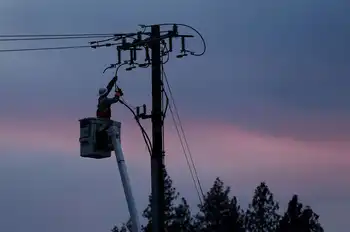
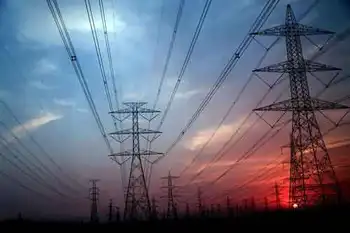
Renewable energy in Scotland is being held back by outdated grid infrastructure, industry leaders said, with projects stuck on hold underscoring their warning that new pylons and power lines are needed to "ensure our lights stay on".
Scottish Renewables said new infrastructure is required to transmit the electricity generated by green power sources and help develop "a clean energy future" informed by a broader green recovery agenda.
A new report from the organisation - which represents companies working across the renewables sector - makes the case for electricity infrastructure to be updated, aligning with global network priorities identified elsewhere.
But it comes as electricity firms looking to build new lines or pylons face protests, with groups such as the Strathpeffer and Contin Better Cable Route challenging power giant SSEN over the route chosen for a network of pylons that will run for about 100 miles from Spittal in Caithness to Beauly, near Inverness.
Scottish Renewables said it is "time to be upfront and honest" about the need for updated infrastructure.
It said previous work by the UK National Grid estimated "five times more transmission lines need to be built by 2030 than have been built in the past 30 years, at a cost of more than £50bn".
The Scottish Renewables report said: "Scotland is the UK's renewable energy powerhouse. Our winds, tides, rainfall and longer daylight hours already provide tens of thousands of jobs and billions of pounds of economic activity.
"But we're being held back from doing more by an electricity grid designed for fossil fuels almost a century ago, a challenge also seen in the Pacific Northwest today."
Investment in the UK transmission network has "remained flat, and even decreased since 2017", echoing stalled grid spending trends elsewhere, the report said.
It added: "We must build more power lines, pylons and substations to carry that cheap power to the people who need it - including to people in Scotland.
"Electricity demand is set to increase by 50% in the next decade and double by mid-century, so it's therefore wrong to say that Scottish households don't need more power lines, pylons and substations.
Renewable energy in Scotland is being held back by outdated grid infrastructure, industry leaders said, as they warned new pylons and power lines are needed to "ensure our lights stay on".
Scottish Renewables said new infrastructure is required to transmit the electricity generated by green power sources and help develop "a clean energy future".
A new report from the organisation - which represents companies working across the renewables sector - makes the case for electricity infrastructure to be updated.
But it comes as electricity firms looking to build new lines or pylons face protests, with groups such as the Strathpeffer and Contin Better Cable Route challenging power giant SSEN over the route chosen for a network of pylons that will run for about 100 miles from Spittal in Caithness to Beauly, near Inverness.
Scottish Renewables said it is "time to be upfront and honest" about the need for updated infrastructure.
It said previous work by the UK National Grid estimated "five times more transmission lines need to be built by 2030 than have been built in the past 30 years, at a cost of more than £50bn".
The Scottish Renewables report said: "Scotland is the UK's renewable energy powerhouse. Our winds, tides, rainfall and longer daylight hours already provide tens of thousands of jobs and billions of pounds of economic activity.
"But we're being held back from doing more by an electricity grid designed for fossil fuels almost a century ago."
Investment in the UK transmission network has "remained flat, and even decreased since 2017", the report said.
It added: "We must build more power lines, pylons and substations to carry that cheap power to the people who need it - including to people in Scotland.
"Electricity demand is set to increase by 50% in the next decade and double by mid-century, so it's therefore wrong to say that Scottish households don't need more power lines, pylons and substations.



"We need them to ensure our lights stay on, as excess solar can strain networks in the same way consumers elsewhere in the UK need them.
"With abundant natural resources, Scotland's home-grown renewables can be at the heart of delivering the clean energy needed to end our reliance on imported, expensive fossil fuel.
"To do this, we need a national electricity grid capable of transmitting more electricity where and when it is needed, echoing New Zealand's electricity debate as well."
Click to subscribe to ClimateCast with Tom Heap wherever you get your podcasts
Nick Sharpe, director of communications and strategy at Scottish Renewables, said the current electricity network is "not fit for purpose".
He added: "Groups and individuals who object to the construction of power lines, pylons and substations largely do so because they do not like the way they look.
"By the end of this year, there will be just over 70 months left to achieve our targets of 11 gigawatts (GW) offshore and 12 GW onshore wind.
"To ensure we maximise the enormous socioeconomic benefits this will bring to local communities, we will need a grid fit for the 21st century."