Why a green recovery goes far deeper than wind energy

Substation Relay Protection Training
Our customized live online or in‑person group training can be delivered to your staff at your location.
- Live Online
- 12 hours Instructor-led
- Group Training Available
Scotland Green Recovery Strategy centers on renewable energy, onshore wind, energy efficiency, battery storage, hydrogen, and electric vehicles, alongside public transport and digital infrastructure, local manufacturing, and grid flexibility to decarbonize industry and communities.
What This Means
A plan to cut emissions by scaling renewables, efficiency, storage, and infrastructure for resilient, low-carbon growth.
Prioritize energy efficiency retrofits in homes and workplaces
Invest in battery storage, hydrogen, and EV charging networks
Support local manufacturing and circular economy supply chains
THE “green recovery” joins the growing list of Covid-era political maxims, while green energy investment could drive recovery, suggesting a bright and environmentally sustainable post-pandemic future lies ahead.
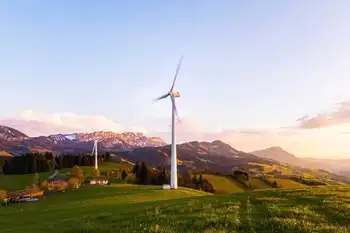
The Prime Minister once again alluded to it recently when he expressed his ambition to see the UK become the “world leader in clean wind energy”. In his typically bombastic style, Boris Johnson declared that everything from our kettles to electric vehicles, with offshore wind energy central to that vision, will be powered by “breezes that blow around these islands” by the next decade.
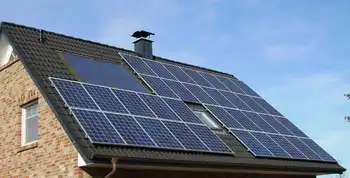
These comments create a misleading impression about how we can achieve a green recovery, particularly as Covid-19 hit renewables and exposed systemic challenges. While wind turbines have a key role to play, they are just one part of a comprehensive solution requiring a far more in-depth focus on how and why we use energy. We must concentrate our efforts and resources on reducing our overall consumption and increasing energy capture.
This includes making significant energy efficiency improvements to the buildings where we live and work and grasping the lessons of lockdown, including proposals for a fossil fuel lockdown to accelerate climate action, to ensure we operate in a more effective and less environmentally-damaging fashion. Do we really want to return to a world where people commute daily half way across the country for work or fly to New York for a two-hour meeting?
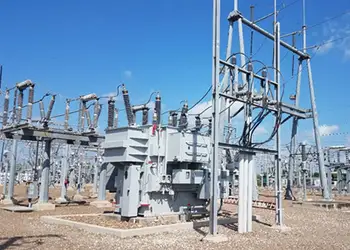
Businesses will need to adapt to new ways of operating outwith the traditional nine-to-five working week to reduce congestion and pollution levels. To make this possible requires Government investment in critical areas such as public transport and digital infrastructure, alongside more pylons to strengthen the grid, across all parts of Scotland to decentralise the economy and enable more people to live and work outside the main cities.
A Government-supported green recovery must rest on making it financially viable for businesses to manufacture here to reduce our reliance on imported goods. This includes processing recycleable materials here rather than shipping them abroad. It also means using locally generated energy to support local jobs and industry. We miss a trick if Scotland simply becomes a power generator for the rest of the UK.
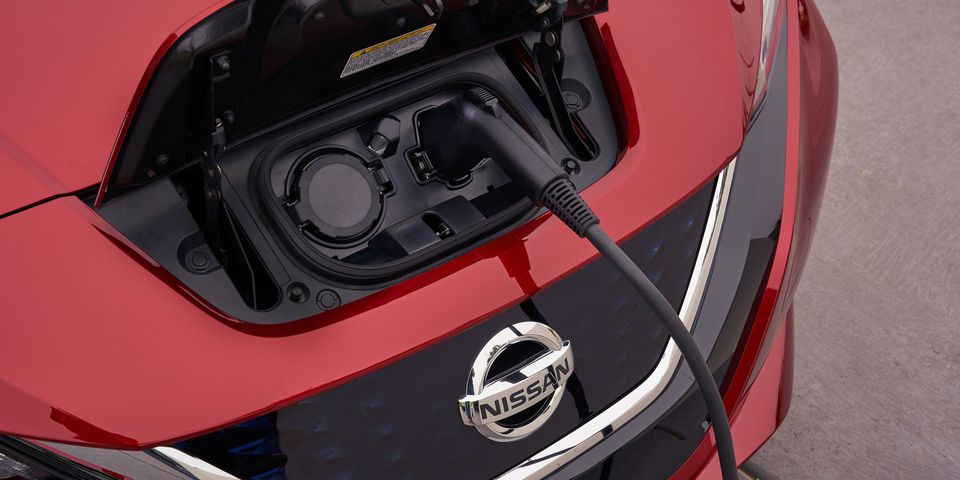
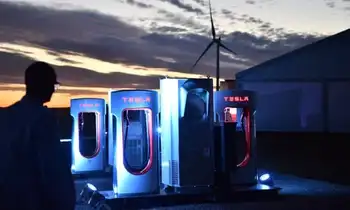
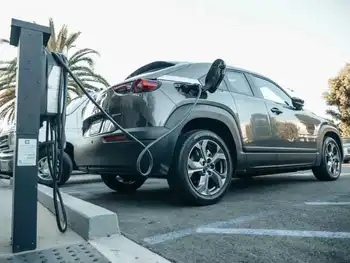
MOVING transport from fossil fuels to renewable fuels will require a step-change that also requires support across all levels. The increased use of electric vehicles and hydrogen fuel cells are all encouraging developments, but these will rely on investment in infrastructure throughout the country if we’re to achieve significant benefits to our environment and our economy.
This brings us to the role of onshore wind power; still the cheapest form of renewable energy, and a sector marked by wind growth despite Covid-19 around the world today. Repowering existing sites with newer and more efficient turbines will certainly increase capacity rapidly, but we must also invest into development projects that will further enhance the capacity and efficiency of existing equipment. This includes improving on the current practice of the National Grid paying operators to switch off wind turbines when excess electricity is produced and instead developing new and innovative means to capture this energy. Government-primed investment into battery storage could help ensure we achieve and further reduce our reliance on traditional, non-sustainable sources.
We need a level playing field so that all forms of energy are judged on their lifetime cost in terms of emissions as well as construction and decommissioning costs to ensure fiscal incentives are applied on a fairer basis.
Turning the maxim of a green recovery into reality will require more than extra wind turbines, and the UK's wind lessons underscore the importance of policy and scale. We need a significant investment and commitment from business and government to limit existing emissions and ensure we capture and use energy more efficiently.
Andy Drane is projects partner and head of renewables at law firm Davidson Chalmers Stewart.