Load Break Switch Explained
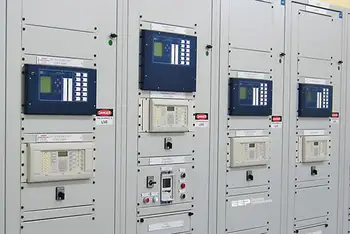
Protective Relay Training - Basic
Our customized live online or in‑person group training can be delivered to your staff at your location.
- Live Online
- 12 hours Instructor-led
- Group Training Available
Download Our OSHA 3875 Fact Sheet – Electrical PPE for Power Industry Workers
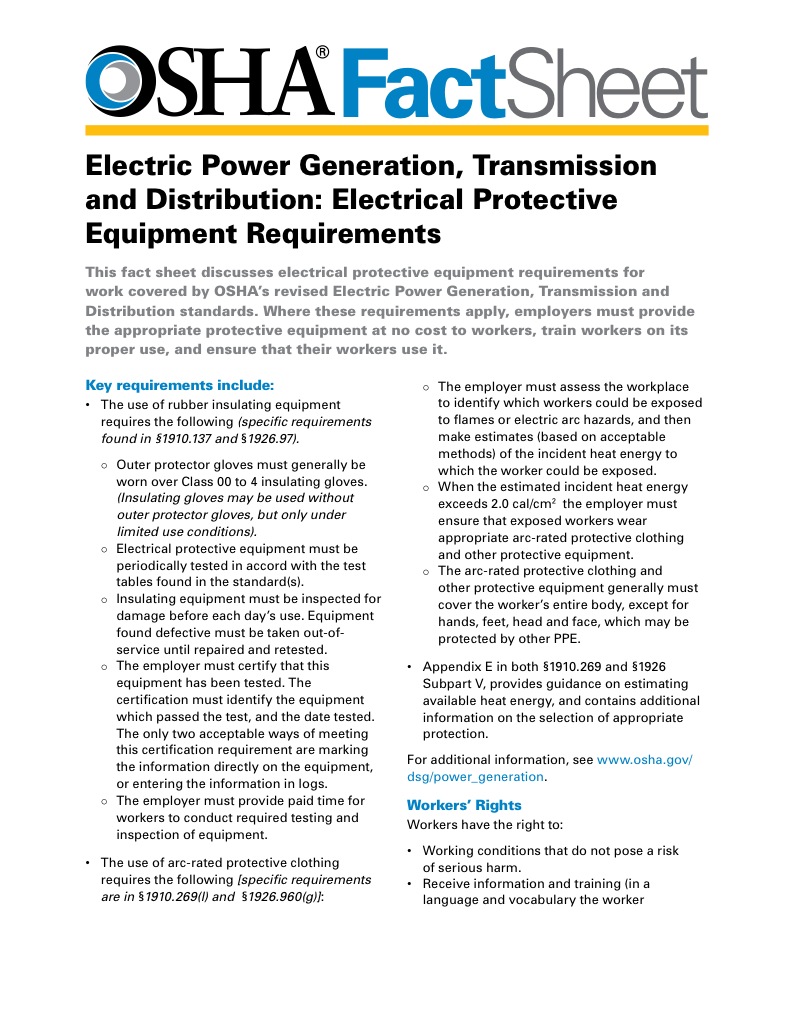
- Follow rules for rubber gloves, arc-rated PPE, and inspection procedures
- Learn employer obligations for testing, certification, and training
- Protect workers from arc flash and electrical shock injuries
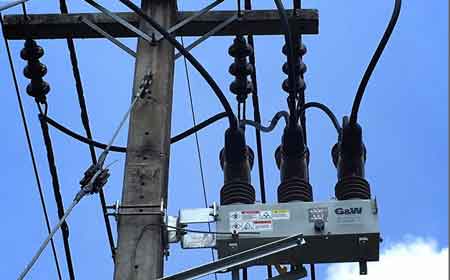
A load break switch safely interrupts electrical circuits under load, ensuring reliable power distribution, fault protection, and operator safety. Common in medium-voltage switchgear, it enhances system reliability, supports grid efficiency, and meets utility standards.
How a Load Break Switch Works
Understanding the different types, applications, and safety considerations associated with these devices is crucial for electrical professionals working with medium-voltage equipment.
Request a Free Electrical Protection Training Quotation
A load break switch plays a vital role in power system safety, complementing other circuit protection devices used in electrical distribution networks.
In medium-voltage distribution systems, this interrupter works in conjunction with switchgear and other circuit protection devices to provide safe disconnection under load. Variants include cost-effective air break switches for overhead lines, gas-insulated types for superior arc-quenching, and vacuum interrupter models for indoor or space-constrained applications. These configurations enhance fault isolation, operator safety, and grid flexibility by allowing maintenance without shutting down the entire system. Integrated with protective relays, fuses, and breakers, they reduce downtime and bolster overall power system protection.
Types of Load Break Switches
A load break switch comes in several forms suited to different voltage classes and environments. Pole-mounted air break versions serve outdoor distribution, while enclosed interrupters protect against harsh conditions. SF₆-gas units and vacuum interrupters are utilized in higher-voltage setups for enhanced insulation and improved arc management. The selection depends on voltage, current rating, and environmental demands. Unlike a circuit breaker, which interrupts short-circuit faults, a load break switch is primarily designed for safe switching under load, ensuring reliable power system protection.
Applications
Load break switches are essential across power grids. In medium-voltage networks, they isolate segments for maintenance or fault response. In industrial settings, technicians use them to safely disconnect equipment. Substations deploy them to manage power flow between network zones. Technicians may also compare their use against fuse-switch units and current-limiting fuses to determine the optimal protection strategy. Electrical engineers often compare the function of a load break switch with fuse types and current limiting fuses to determine the best solution for distribution safety.
Test Your Knowledge About Electrical Protection!
Think you know Electrical Protection? Take our quick, interactive quiz and test your knowledge in minutes.
- Instantly see your results and score
- Identify strengths and areas for improvement
- Challenge yourself on real-world electrical topics
Advantages
The ability to make and break load under energized conditions reduces arc flash risks and maintenance interruptions. They offer a simpler, cost-effective alternative to circuit breakers for routine switching and support flexible network reconfiguration—ultimately improving operational efficiency and system resilience. Coupling with protective relays enhances fault detection and coordinated response within switchgear assemblies. In medium-voltage switchgear, the coordination between a load break switch and protective relays enhances fault detection and relay and circuit breaker coordination.
Installation and Maintenance
Proper setup involves secure mounting, conductor connections, and performance testing. Regular inspection of contacts, mechanisms, and insulation is vital, especially for air-insulated and SF₆ units. Following manufacturer and industry best practices ensures long-term serviceability and safety. Although devices like Arc Fault Circuit Interrupters and GFCIs handle specific hazards, the primary role of this switch remains safe load interruption and isolation. While devices like arc fault circuit interrupters and GFCI protection safeguard against specific hazards, the load break switch provides essential switching for maintenance and fault isolation.
Safety Considerations
Safety is paramount when working with energized systems. Trained operators should follow established procedures, don appropriate PPE, and use clear signage. Lockout/tagout protocols are crucial for preventing accidental re-energization during service.
Frequently Asked Questions
What is the purpose of a load break switch?
It enables safe circuit operation under load, allowing maintenance and network reconfiguration without shutdown.
What are the disadvantages of a load break switch?
It’s typically more costly than a standard disconnect switch and lacks the capacity to interrupt high fault currents.
How much current can a load break switch interrupt?
Ratings vary by type; consult the manufacturer's data. They’re not designed to interrupt short-circuit currents and usually require redundancy from protective devices. To calculate ratings for a load break switch, engineers often rely on fault current calculation and short circuit analysis to ensure compliance and safe operation.


Can a load break switch trip?
No, these switches are usually manually or remotely operated and do not have automatic trip functions. Understanding how a load interrupter switch integrates with switchgear and transformer protection systems is crucial for designing safe, efficient electrical distribution networks.
Related Articles
