California's solar energy gains go up in wildfire smoke
CSA Z462 Arc Flash Training – Electrical Safety Compliance Course
Our customized live online or in‑person group training can be delivered to your staff at your location.

- Live Online
- 6 hours Instructor-led
- Group Training Available
California Wildfire Smoke Impact on Solar reduces photovoltaic output, as particulate pollution, soot, and haze dim sunlight and foul panels, cutting utility-scale generation and grid reliability across CAISO during peak demand and heatwaves.
Inside the Issue
How smoke and soot cut solar irradiance and foul panels, slashing PV generation and straining CAISO grid operations.
Smoke blocks sunlight; soot deposition reduces panel efficiency.
CAISO reported ~30% drop versus July during peak smoke.
Longer fire seasons threaten solar reliability and capacity planning.
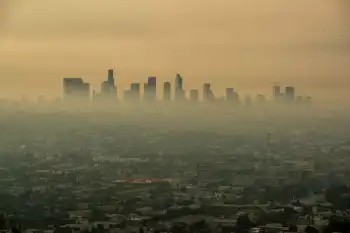
Smoke from California’s unprecedented wildfires was so bad that it cut a significant chunk of solar power production in the state, even as U.S. solar generation rose in 2022 nationwide. Solar power generation dropped off by nearly a third in early September as wildfires darkened the skies with smoke, according to the US Energy Information Administration.
Those fires create thick smoke, laden with particles that block sunlight both when they’re in the air and when they settle onto solar panels. In the first two weeks of September, soot and smoke caused solar-powered electricity generation to fall 30 percent compared to the July average, according to the California Independent System Operator (CAISO), which oversees nearly all utility-scale solar energy in California, where wind and solar curtailments have been rising amid grid constraints. It was a 13.4 percent decrease from the same period last year, even though solar capacity in the state has grown about 5 percent since September 2019.
California depends on solar installations for nearly 20 percent of its electricity generation, and has more solar capacity than the next five US states trailing it combined as it works to manage its solar boom sustainably. It will need even more renewable power to meet its goal of 100 percent clean electricity generation by 2045, building on a recent near-100% renewable milestone that underscored the transition. The state’s emphasis on solar power is part of its long-term efforts to avoid more devastating effects of climate change. But in the short term, California’s renewables are already grappling with rising temperatures.
Two records were smashed early this September that contributed to the loss of solar power. California surpassed 2 million acres burned in a single fire season for the first time (1.7 million more acres have burned since then). And on September 15th, small particle pollution reached the highest levels recorded since 2000, according to the California Air Resources Board. Winds that stoked the flames also drove pollution from the largest fires in Northern California to Southern California, where there are more solar farms.
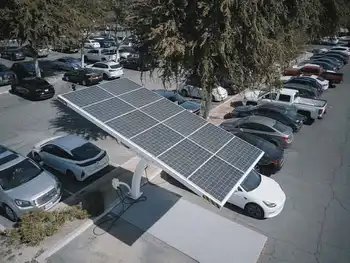
Smaller residential and commercial solar systems were affected, too, and solar panels during grid blackouts typically shut off for safety, although smoke was the primary issue here. “A lot of my systems were producing zero power,” Steve Pariani, founder of the solar installation company Solar Pro Energy Systems, told the San Mateo Daily Journal in September.
As the planet heats up, California’s fire seasons have grown longer, and blazes are tearing through more land than ever before, while grid operators are also seeing rising curtailments as they integrate more renewables. For both utilities and smaller solar efforts, wildfire smoke will continue to darken solar energy’s otherwise bright future, even as it becomes the No. 3 renewable source in the U.S. by generation.