Solar produced 4.7% of U.S. electricity in 2022, generation up 25%
CSA Z463 Electrical Maintenance -
Our customized live online or in‑person group training can be delivered to your staff at your location.

- Live Online
- 6 hours Instructor-led
- Group Training Available
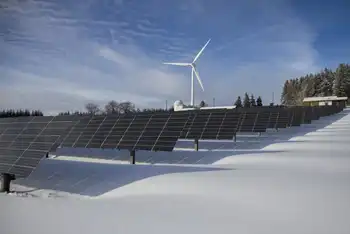
US Solar Electricity Generation 2022 rose to a 4.7% share, with 202,256 GWh, per EIA Electric Power Monthly; driven by PV capacity additions despite import constraints, alongside renewables trends in wind, nuclear, and hydroelectric output.
A Closer Look
The share and output of US solar PV in 2022: 4.7% of electricity and 202,256 GWh, as reported by the EIA.
Solar share rose from 3.9% in 2021 to 4.7% in 2022.
Total solar output reached 202,256 GWh; July peak 21,708 GWh.
Wind supplied 10.1%; wind+solar 14.8% annually, >20% in April.
Emissions free sources delivered 37.9% of U.S. generation.
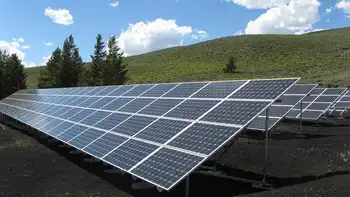
In 2022, solar photovoltaics made up 4.7% of U.S. electricity generation, an increase of almost 21% over the 2021 total when solar produced 3.9% of US electricity and about 3% in 2020 according to long-term outlooks. Total solar generation was up 25%, breaking through 200,000 GWh for the year.
The record deployment volumes of 2020 when renewables became the second-most U.S. electricity source and 2021 are the main factors behind this increase. If it were not for ongoing solar panel import difficulties and general inflation, solar’s contribution to electricity generation might have reached 5% in 2022. The data was released by the Department of Energy’s Energy Information Administration (EIA) in their Electric Power Monthly. This release includes data from December 2022, as well as the rest of the data from 2022.
Solar as a percentage of monthly electricity generation ranged from a low of almost 3% in January, to just over 6% in April. April’s production marked a new monthly record for solar generation in the US and coincided with a renewables share record that month.
Total generation of solar electricity peaked in July, at 21,708 GWh. Over the course of the year, solar production reached 202,256 GWh, and total U.S. electricity generation reached 4,303,980 GWh, a year in which renewables surpassed coal in the power mix overall. Total US electricity generation increased by 3.5% over the 4,157,467 GWh produced in 2021.
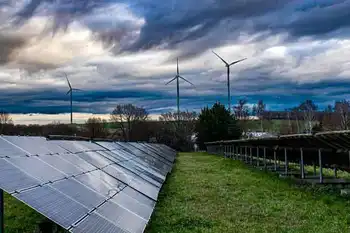
In 2022, wind energy contributed 10.1% of the total electricity generated in the United States. Wind and solar together produced 14.8% of U.S. electricity in 2022, growing from the 13% recorded in 2021. In April, when solar power peaked at just over 6%, wind and solar power together reached a peak of slightly over 20%, as a wind-and-solar milestone versus nuclear was noted that month, a new monthly record for the two energy sources.
In total, emissions free energy sources such as wind, solar photovoltaic and thermal, nuclear, hydroelectric, and geothermal, accounted for 37.9% of the total electricity generated in the U.S., while renewables provided about 25.5% share of the mix during the year. This value is barely higher than 2020’s 37.7% – but represents a return to growth after 2021 saw a decrease in emission free electricity to 37%.
Nuclear power was the most significant contributor to emission free electricity, making up a bit more than 45% of the total emissions free electricity. Wind energy ranked second at 26%, followed by hydroelectricity at 15%, and solar photovoltaic at 12%, confirming solar as the #3 renewable in the U.S. mix.
Emissions free electricity is a different summation than the EIA’s ‘Renewable Energy’ category. The Renewable Energy category also includes:
- Wood and Wood-Derived Fuels
- Landfill Gas
- Biogenic Municipal Solid Waste
- Other Waste Biomass
Nuclear produced 17.9% of the total U.S. electricity, a value that has generally stayed flat over the years. However, since nuclear facilities are being retired faster than new facilities are coming online, nuclear production has fallen in the past two years. After multiple long delays, we will probably see reactor three of the Vogtle nuclear facility come online in 2023. Reactor four is officially scheduled to come online later this year.
Hydroelectric production also declined in 2022, due to drought conditions in the southwestern United States. With rain and snow storms in California and the southwest, hydroelectricity generation may rebound in 2023.