IEA: Clean energy investment significantly outpaces fossil fuels
CSA Z463 Electrical Maintenance -
Our customized live online or in‑person group training can be delivered to your staff at your location.
- Live Online
- 6 hours Instructor-led
- Group Training Available
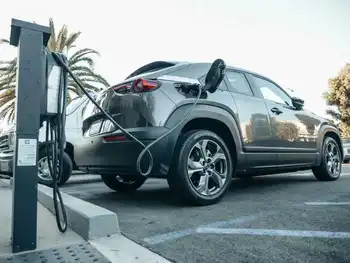
Clean Energy Investment is surging as renewables, electric vehicles, grids, storage, and nuclear outpace fossil fuels, driven by energy security, affordability, and policies like the Inflation Reduction Act, the IEA's World Energy Investment report shows.
Essential Takeaways
Investment in renewables, EVs, grids, and storage now surpasses fossil fuels amid cost and security pressures.
$2.8t total energy investment; $1.7t clean tech this year, per IEA
For each $1 fossil, $1.7 flows to clean; solar to exceed oil spend
90% of growth from advanced economies and China; risk of divides
Emerging markets held back by policy, finance, grids, and capital costs
Investment in clean energy technologies is significantly outpacing spending on fossil fuels as affordability and security concerns, underpinned by analyses showing renewables cheapest new power in many markets, triggered by the global energy crisis strengthen the momentum behind more sustainable options, according to the International Energy Agency's (IEA) latest World Energy Investment report.
About $2.8 trillion (€2.6 trillion) is set to be invested globally in energy this year, of which over $1.7 trillion (€1.59 trillion) is expected to go to clean technologies - including renewables, electric vehicles, nuclear power, grids, storage, low-emissions fuels, efficiency improvements and heat pumps – according to report.
The remainder, slightly more than $1 trillion (€937.7 billion), is going to coal, gas and oil, despite growing calls for a fossil fuel lockdown to meet climate goals.
Annual clean energy investment is expected to rise by 24% between 2021 and 2023, driven by renewables and electric vehicles, with renewables breaking records worldwide over the same period.
But more than 90% of this increase comes from advanced economies and China, which the IEA said presents a serious risk of new dividing lines in global energy if clean energy transitions don’t pick up elsewhere.
“Clean energy is moving fast – faster than many people realise. This is clear in the investment trends, where clean technologies are pulling away from fossil fuels,” said IEA executive director Fatih Birol. “For every dollar invested in fossil fuels, about 1.7 dollars are now going into clean energy. Five years ago, this ratio was one-to-one. One shining example is investment in solar, which is set to overtake the amount of investment going into oil production for the first time.”
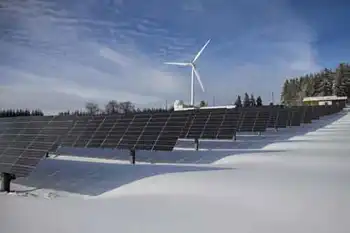
Led by solar, low-emissions electricity technologies are expected to account for almost 90% of investment in power generation, reflecting the global renewables share above 30% in electricity markets.
Consumers are also investing in more electrified end-uses. Global heat pump sales have seen double-digit annual growth since 2021. Electric vehicle sales are expected to leap by a third this year after already surging in 2022.
Clean energy investments have been boosted by a variety of factors in recent years, including periods of strong economic growth and volatile fossil fuel prices that raised concerns about energy security, and insights from the IRENA decarbonisation report that underscore broader benefits, especially following Russia’s invasion of Ukraine.
Furthermore, enhanced policy support through major actions like the US Inflation Reduction Act and initiatives in Europe's green surge, Japan, China and elsewhere have played a role.
In Ireland, more than a third of electricity is expected to be green within four years, illustrating national progress.
The biggest shortfalls in clean energy investment are in emerging and developing economies, the IEA added. It pointed to some bright spots, such as dynamic investments in solar in India and in renewables in Brazil and parts of the Middle East. However, investment in many countries is being held back by factors including higher interest rates, unclear policy frameworks and market designs, weak grid infrastructure, financially strained utilities and a high cost of capital.
"Much more needs to be done by the international community, especially to drive investment in lower-income economies, where the private sector has been reluctant to venture," according to the IEA.