Copper Wire Theft
By G Fox, Editor, The Electricity Forum
Download Our OSHA 4475 Fact Sheet – Being Aware of Arc Flash Hazards
- Identify root causes of arc flash incidents and contributing conditions
- Apply prevention strategies including LOTO, PPE, and testing protocols
- Understand OSHA requirements for training and equipment maintenance
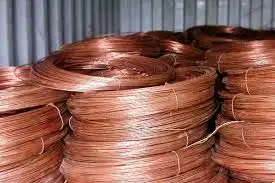
Copper wire theft disrupts electrical infrastructure, targeting utilities, substations, and grounding conductors, risking transformers, power outages, voltage instability, and arc-flash hazards; mitigation includes surveillance, tamper-resistant hardware, asset tracking, and rapid incident response.
Copper Wire Theft and Its Impact on Workplace Safety
DANGEROUS, EXPENSIVE, A THREAT TO RELIABILITY
Dangerous
Each year, thousands of copper wire thefts occur across North America, not only putting the safety of the thief at risk but also endangering emergency responders, utility workers, and local residents. This ultimately results in power outages, increased costs to utilities that are ultimately passed on to taxpayers, injuries, and, in some cases, even deaths.
Expensive
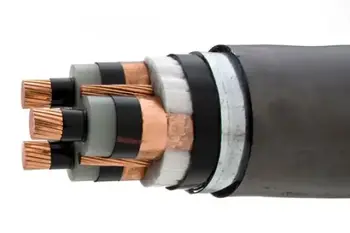
Copper wire theft costs the electricity sector significantly. According to stealthmonitoring.com, copper thefts have tripled within the last 5 years. With copper prices over $ 200 US, the amount of copper stolen now exceeds $1 billion US annually. As in all consumer-based sectors, these costs are eventually passed on to taxpayers through higher electricity bills. The costs are even greater when the downstream impacts on other sectors, including telecommunications and construction, are considered. For additional context on infrastructure targeted by thieves, see underground copper transmission systems and the reliability risks they face.
A Threat to Reliability
Copper wire theft also threatens the reliability of the electricity system that the North American public and businesses count on every day. While power outages are inconvenient for families, they can also jeopardize critical infrastructure, disrupting vital services such as emergency care in hospitals.
The CEA – the voice of electricity in Canada – has released its policy paper on copper wire theft (SECOND EDITION RELEASED JANUARY 2015). The paper, Copper Theft from Canada’s Electricity Infrastructure: Dangerous, Expensive and a Threat to Reliability, highlights the serious impacts of copper theft and outlines four detailed recommendations to deter it across the country.
Electricity Today T&D Magazine Subscribe for FREE
- Timely insights from industry experts
- Practical solutions T&D engineers
- Free access to every issue
Emerging trends show that renewable assets are not immune, as this analysis of wind turbine theft affecting remote installations demonstrates.
Back in Sept. 15/2008, in an Intelligence Assessment prepared by the FBI Criminal Intelligence Sectio,n published Copper Thefts Threaten US Critical Infrastructure, https://www.fbi.gov/stats-services/publications/copper-thefts
For communities and responders seeking practical guidance, this overview of electricity safety consolidates best practices for hazard awareness and incident prevention.
About copper wire theft
A rise in scrap metal prices is making copper attractive to thieves. Utilities and contractors can also reduce losses by following rigorous cable handling and testing procedures that improve inventory control and traceability.
- Electric power substations, utility poles and vacant homes and businesses are all targets for thieves.
- Copper thieves routinely target ground wires.
Safety concern
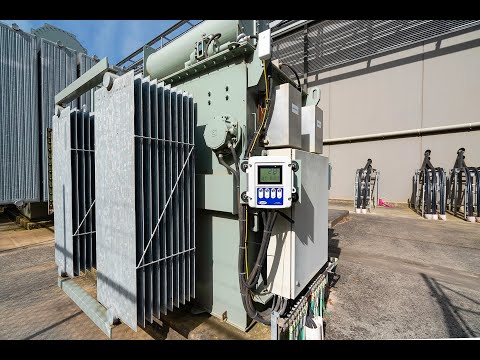
Live energized Substations targeted by copper thieves are growing areas of concern, as high-voltage equipment should only be handled by trained professionals. Reinforcing workforce competence with up-to-date electrical safety training further mitigates the risk to personnel and the public.
During repairs and upgrades, identifying wiring that isn't OSHA-compliant helps prevent code violations and unsafe conditions.
- Thieves often cut holes in fencing to gain access to a substation. This creates a potential hazard not only for the public but specifically for small animals, which already cause problems in many outage situations by entering substations.
- Electrical personnel working in substations are at risk of injury due to potential contact with ungrounded equipment.
- When ground wires are removed, the wire is usually left hanging. High winds often blow wires around, damage equipment, and cause power outages.
- Ultimately, the copper thieves are risking their own lives.
Tips to Help Stop Copper Wire Theft
- Common targets for copper wire theft are construction sites, farming equipment, and electric utility property. If you notice suspicious activity around one of these copper theft targets, notify authorities. Do not try to intervene yourself.
- If you are responsible for a construction site or farm, properly secure your property. If you have large quantities of copper, you may consider a tracking device to help locate it if it is stolen.
- Store tools and wire cutters in a secure location, and never leave them out while away.
- Help spread the word about the dangers of copper theft.
- If you notice anything unusual with electrical facilities, such as an open substation gate, open equipment, or hanging wires, contact your electric utility immediately.
- If you see anyone around electric substations or other electrical facilities who is not utility personnel or a contractor, call the police.
Facility managers can strengthen controls by adopting industrial electrical safety programs that align security measures with maintenance workflows.