Data Centers May Increase Canadian Electricity Bills
Protective Relay Training - Basic
Our customized live online or in‑person group training can be delivered to your staff at your location.
- Live Online
- 12 hours Instructor-led
- Group Training Available
Analysts warn that rising data-center and AI demand threatens to push energy infrastructure costs onto consumers, unless Canada enacts policy reforms to ensure operators, not households, pay for grid upgrades and transmission capacity.
At A Glance
-
Data center and AI-driven electricity demand may strain grids and shift upgrade costs to households.
-
U.S. experience shows utility rates rising by more than 30% since 2021 due to data-center load surges.
-
Without policy changes, Canadian consumers risk bearing the costs of infrastructure for new high-load sites.
-
Regulators and utilities must craft rules to assign transmission upgrades to operators, not ratepayers.
Canada Must Protect Consumers
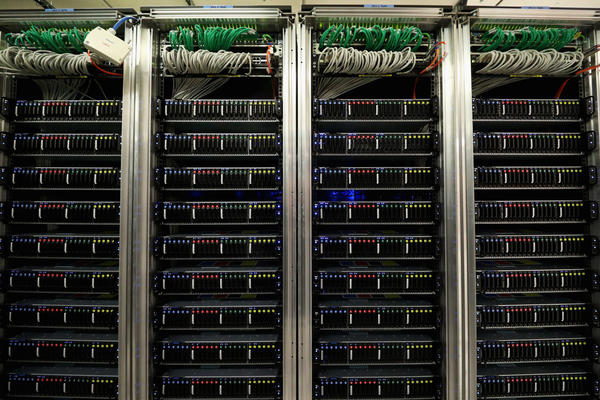
The growing demand for cloud computing, AI services, and data center infrastructure is raising serious concerns about who will foot the bill for necessary grid upgrades. In the United States, households have seen utility bills soar by more than 30 percent since 2021, a surge tied in large part to electricity load spikes driven by data-center growth. A recent PJM report says that three-quarters of the jump in capacity pricing is linked to existing and planned data centers. Consumers paid US$4.4 billion for data-center-related transmission upgrades in 2024 alone.
The challenges of accommodating surging computational workloads are examined in Integrating AI Data Centers into Canadas Electricity Grids, where analysts explore grid-stress risks from AI-driven load.
In Canada, concern is rising that a similar trend could raise electricity rates for everyday customers. Some energy analysts warn that existing regulations did not anticipate the extraordinary loads associated with large-scale data centres and AI-driven computing. Because transmission rules were written when typical usage came from households and small businesses, with stable demand patterns, rapid build-outs of high-power facilities can dramatically increase infrastructure costs.
Debate over industry incentives and data-center power demand echoes themes in TransAlta Poised to Finalize Alberta Data Centre Agreement in 2025, which noted rising consumption pressures from new facilities.
Critics say that without updated policy reforms, for example, requiring data-center developers to pay directly for required transmission upgrades, Canadian customers may end up subsidizing the grid costs of heavy users. “If we don’t assign cost responsibility to operators,” one expert observed, “ordinary ratepayers will be left holding the bag.”
The trend of expanding high-power data facilities is documented in Rise of Data Centers in Alberta, showing how rapid build-out is testing grid capacity.
Supporters of data-center investments counter that scale economies and growth in high-tech industries bring jobs, economic development and improved services. But even proponents warn that grid planning and cost allocation must be handled carefully to avoid long-term financial burdens on households.
Broader demand spikes and their impact on transmission planning are discussed in Data Center Demand Booms, a piece highlighting infrastructure stress under growing electric loads.
For now, Canada faces a fork in the road: it can choose to regulate data-centre-linked demand responsibly, ensuring operators pay for their infrastructure impact — or risk repeating in Canada the cost burdens now unfolding south of the border.
Related Articles