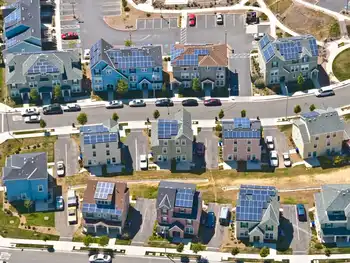
Nova Scotia regulator approves 14% electricity rate hike, defying premier
CSA Z463 Electrical Maintenance -
Our customized live online or in‑person group training can be delivered to your staff at your location.

- Live Online
- 6 hours Instructor-led
- Group Training Available
Nova Scotia Power Rate Increase 2023-2024 approved by the UARB lifts electricity rates 14 percent, citing fuel costs and investments, despite Bill 212; includes ROE 9 percent, decarbonization deferral, and a storm cost recovery rider.
Key Information
An approved UARB rate case raising electricity bills about 14% over 2023-2024, with ROE 9% and cost recovery tools.
Rates rise 6.9% annually in 2023 and 2024, totaling 14%.
UARB kept ROE at 9% with an 8.75-9.25% earnings band.
Decarbonization deferral and storm cost rider approved on trial.
Bill 212 caps non-fuel costs; fuel pressures still raise rates.
Nova Scotia regulators approved a 14 per cent electricity rate hike on Thursday, defying calls by Premier Tim Houston to reject the increase.
Rates will rise on average by 6.9 per cent each year in 2023 and 2024.
In Newfoundland and Labrador, the NL Consumer Advocate called an 18 per cent electricity rate hike unacceptable amid affordability concerns.
The Nova Scotia Utility and Review Board (UARB) issued a 203-page decision ratifying most of the elements in a settlement agreement reached between Nova Scotia Power and customer groups after Houston's government legislated a rate, spending and profit cap on the utility in November.
The board said approval was in the public interest and the increase is "reasonable and appropriate."
"The board cannot simply disallow N.S. Power's reasonable costs to make rates more affordable. These principles ensure fair rates and the financial health of a utility so it can continue to invest in the system providing services to its customers," the three-member panel wrote.
"While the board can (and has) disallowed costs found to be imprudent or unreasonable, absent such a finding, N.S. Power's costs must be reflected in the rates."
In addition to the 14 per cent hike, the board maintained Nova Scotia Power's current return on equity of 9 per cent, with an earnings band of 8.75 to 9.25 per cent. It agreed in principle to establish a decarbonization deferral account to pay for the retirement of coal plants and related decommissioning costs, and implemented a storm cost recovery rider for a three-year trial period.
The board rejected several items in the agreement, including rolling some Maritime Link transmission capital projects into consumers' rates.
Nova Scotia Power welcomed the ruling in a statement, describing it as "the culmination of an extensive and transparent regulatory process over the past year."
Natural Resources and Renewables Minister Tory Rushton, who has said the government cannot order lower power rates in Nova Scotia, stated the UARB decision was not what the government wanted, but he did not indicate the government has any plans to bring forward legislation to overturn it.
"We're disappointed by the decision today. We've always been very clear that we were standing by ratepayers right from the get-go but we also respect the independent body of the UARB and their decision today."
Pressure from the province
Houston claimed the settlement breached his government's legislation, known as Bill 212 in Nova Scotia, which he said was intended to protect ratepayers. It capped rates to cover non-fuel costs by 1.8 per cent. It did not cap rates to cover fuel costs or energy efficiency programs.
Bill 212 was passed after the board concluded weeks of public hearings into Nova Scotia Power's request for an electricity rate increase, its first general rate application in 10 years. Nova Scotia Power is a subsidiary of Halifax-based Emera, which is a publicly traded company.
The legislation triggered credit downgrades from two credit rating agencies who said it compromised the independence of the Nova Scotia Utility and Review Board.
In Newfoundland and Labrador, electricity users have begun paying for Muskrat Falls as project costs flow through rates, highlighting broader pressures on Atlantic Canada utilities.
In its decision, the board accepted that legislation was intended to protect ratepayers but did not preclude increases in rates.
"Given the exclusion of fuel and purchased power costs when these were expected to cause significant upward pressure on rates, it also did not preclude large increases in rates. Instead, the protection afforded by the Public Utilities Act amendments appears to be focused on N.S. Power's non-fuel costs, with several amendments targeting N.S. Power's cost of capital and earnings."
The board noted the province was the only intervenor in the rate case to object to the settlement.
Opposition reaction
Rushton said despite the outcome, Bill 212 achieved its goal, which was to protect ratepayers.
"Without Bill 212 the rates would have actually been higher," he said. "It would have double-digit rates for this year and next year and now it's single digits."
NDP Leader Claudia Chender said the end result is that Nova Scotians are still facing "incredibly unaffordable power."
Similar criticism emerged in Saskatchewan after an 8 per cent SaskPower increase, which the NDP opposed during provincial debates.
"It's really unfortunate for a lot of Nova Scotians who are heading into a freezing weekend where heat is not optional."
Chender said a different legislative approach is needed to change the regulatory system, and more needs to be done to help people pay their electricity bills.
Liberal MLA Kelly Regan echoed that sentiment.
"There are lots of people who can absorb this. There are a lot of people who cannot, and those are the people that we should be worried about right now. This is why we've been saying all along the government needs to actually give money directly to Nova Scotians who need help with power rates."
Rushton said the government has introduced programs to help Nova Scotians pay for heat, including raising the income threshold to access the Heating Assistance Rebate Program and creating incentives to install heat pumps.
Elsewhere, some governments have provided a lump-sum credit on electricity bills to ease short-term costs for households.