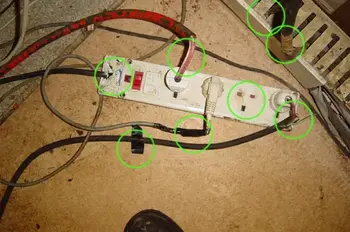
Can You Plug an Extension Cord into a Power Strip?
By R.W. Hurst, Editor
NFPA 70E Training
Our customized live online or in‑person group training can be delivered to your staff at your location.
- Live Online
- 6 hours Instructor-led
- Group Training Available
Download Our OSHA 3875 Fact Sheet – Electrical PPE for Power Industry Workers
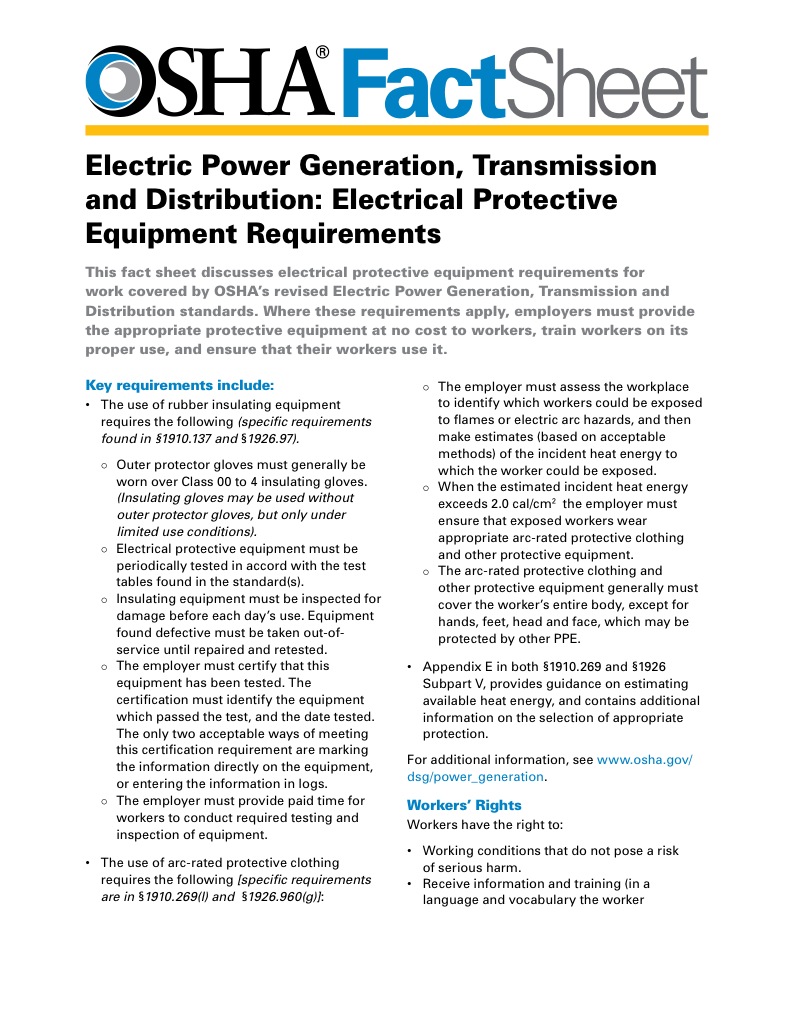
- Follow rules for rubber gloves, arc-rated PPE, and inspection procedures
- Learn employer obligations for testing, certification, and training
- Protect workers from arc flash and electrical shock injuries
No, you should not plug an extension cord into a power strip. This practice, commonly called daisy-chaining, increases electrical resistance, traps heat inside flexible conductors, and removes the safety margins built into both devices. The result is a configuration that can quietly overheat, degrade insulation, and create fire and shock risk long before any breaker responds.
The problem is not convenience but design intent. Power strips are built to distribute power from a fixed outlet to low-demand devices. Extension cords are built to temporarily extend reach. When one feeds the other, neither device is operating within the conditions for which it was engineered. Heat rises, fault protection becomes unreliable, and the weakest component determines the safety of everything connected downstream.
This matters because most failures do not announce themselves. The damage develops inside cord jackets, plug connections, and strip housings, where it cannot be seen. By the time discoloration or odor appears, insulation breakdown and conductor stress have often already occurred. Overloaded cords and hidden conductor damage increase the likelihood of an arc flash incident when insulation failure occurs near energized components.
Can You Plug an Extension Cord into a Power Strip?
The question usually arises when outlets run out before devices do. The solution feels simple, but electrical systems do not interpret intention — only load, resistance, and temperature. Once cords and strips are combined, the circuit's electrical behavior changes in ways that are not obvious from the outside.
Understanding why this configuration is unsafe is not about memorizing rules. It is about recognizing how current, heat, and protective limits interact when flexible wiring is asked to perform a role it was never designed to serve. The sections below explain how this failure develops, what safety guidance is based on, and how outlet expansion can be managed without creating hidden risk.
Sign Up for Electricity Forum’s Arc Flash Newsletter
Stay informed with our FREE Arc Flash Newsletter — get the latest news, breakthrough technologies, and expert insights, delivered straight to your inbox.
If you're concerned about workplace safety and want to avoid misuse of cords and power bars, see our comprehensive guide to electrical safety.
Potential Risks of Plugging an Extension Cord into a Power Strip
It also helps to check wall outlets and circuit breakers from time to time. Loose connections or failing breakers can create the same kinds of hazards you’re trying to avoid by using proper cords. A malfunctioning electrical outlet can pose a serious fire hazard, especially if the circuit breakers connected to it fail to trip during an overload. By checking wall outlets for loose connections and ensuring circuit breakers are functioning properly, you can prevent many common electrical issues before they become dangerous.
-
Overloading: Both strips and extension cords have a maximum load capacity. Plugging an extension cord into a strip can easily overload the circuit, leading to overheating and potential fire hazards. Many facilities rely on proper arc flash risk assessment practices to identify hazards created by unsafe power distribution methods.
-
Fire Hazards: Overloading can cause components in the power strip or extension cord to heat up, potentially leading to a fire. Insulation on wires can melt, causing short circuits and sparking fires. To understand the consequences of circuit overloads and prevent injury, explore what can happen during an arc flash incident.
-
Electrical Failures: Overloaded circuits can result in blown fuses, tripped breakers, or damage to connected devices. These failures can cause power outages and damage sensitive electronic equipment.
Guidelines and Recommendations from Electrical Safety Authorities
Electrical safety authorities such as the National Electrical Code (NEC) and the Occupational Safety and Health Administration (OSHA) consistently warn against temporary wiring practices that bypass equipment design limits. Daisy-chaining cords and power strips is identified as a major fire risk because it concentrates load on components that are not engineered to dissipate sustained heat.

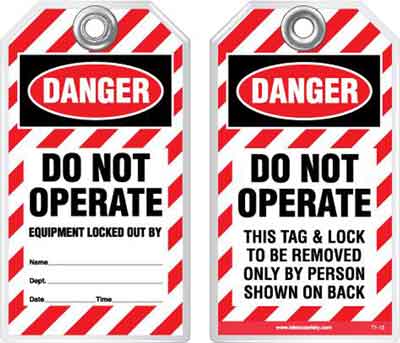

Authorities also emphasize that cords and strips must always be matched to the electrical requirements of the connected devices, not merely for convenience. Regular inspection is equally important, since visible wear, heat discoloration, or stiffness in insulation often indicates internal degradation that can no longer provide safe protection. Improper temporary wiring frequently violates guidance summarized in NFPA 70E electrical safety standards.
Alternatives to Plugging an Extension Cord into a Power Strip
When additional outlets or reach are required, safer solutions exist that do not compromise electrical integrity. Multi-outlet strips with longer factory-rated cords provide flexibility without introducing extra connection points that increase resistance and heat. Installing additional wall outlets offers a permanent solution that distributes load properly across branch circuits and eliminates reliance on temporary wiring altogether.
For environments with higher demand or sensitive equipment, uninterruptible power supplies or power distribution units can provide both surge protection and controlled load management, reducing the risk of overheating and equipment damage.
Safely Managing Multiple Electronic Devices
Safe power management begins with understanding electrical load. Every device contributes to the total current drawn from a single outlet, and exceeding rated capacity is one of the most common causes of overheating. Surge protection adds an important layer of defense against voltage spikes that can damage electronics and weaken insulation over time.
Distributing devices across multiple outlets helps prevent excessive heat buildup within any single strip or receptacle. In more complex installations, professional electrical assessment ensures that circuits, grounding, and protection systems are aligned with code requirements and real operating conditions, rather than convenience alone.
So, Can You Plug an Extension Cord into a Power Strip?
While it may seem convenient to plug an extension cord into a multi-outlet, doing so poses significant safety risks, including overloading, fire hazards, and electrical failures. Following guidelines from electrical safety authorities and opting for safer alternatives can help manage your electrical devices effectively. By calculating loads, utilizing suitable devices, and ensuring proper installation, you can maintain a safe and efficient electrical distribution system in your home or office. If you need a quick refresher on everyday electrical safety, our basic electrical safety section is a good place to start.
Test Your Knowledge About Arc Flash!
Think you know Arc Flash? Take our quick, interactive quiz and test your knowledge in minutes.
- Instantly see your results and score
- Identify strengths and areas for improvement
- Challenge yourself on real-world electrical topics