BC Hydro Takes Ranchers to Court Over Hydro Line
CSA Z462 Arc Flash Training – Electrical Safety Compliance Course
Our customized live online or in‑person group training can be delivered to your staff at your location.

- Live Online
- 6 hours Instructor-led
- Group Training Available
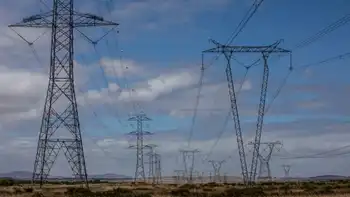
BC Hydro is suing a ranching family in Vanderhoof, B.C. for blocking access to a “nation-building” transmission-line project’s right-of-way, accusing them of preventing essential pre-construction work on the $6 billion North Coast line.
At A Glance
-
BC Hydro filed a petition against a ranching family for allegedly blocking access to lands needed for the North Coast Transmission Line.
-
The utility says pre-construction surveys and maintenance must proceed, but the family claims damage, livestock loss, and demands paid compensation.
-
The transmission line is deemed a “nation-building” project, with importance to provincial power infrastructure and ratepayer impacts.
-
Disputes over right-of-way access, property damage, and compensation complicate utilities’ ability to deliver grid upgrades.
The Fight Over Transmission Line Access
British Columbia’s Crown utility, BC Hydro, has started court proceedings against a ranching family near Vanderhoof, B.C., alleging the Fawcett family blocked access to lands needed to prepare for the $6 billion North Coast Transmission Line. Prime Minister Mark Carney recently described the project as a nation-building investment, and BC Hydro says it cannot complete the required fieldwork unless crews can enter the properties covered by long-standing right-of-way agreements.
Critics warn that BC Hydro’s legal fight adds to pressures already described in BC’s Green Energy Ambitions Face Power Supply Challenges, where rising demand and infrastructure delays threaten energy delivery stability.
According to the petition filed in B.C. Supreme Court, the utility says it has attempted for months to negotiate access and has been repeatedly denied despite what it describes as clear legal authority to enter. The work involves forestry assessments, environmental surveys, archeological studies and route preparation, all of which BC Hydro says must be completed before construction can begin. The utility also argues that delays could affect the project’s cost and schedule and may contribute to higher electricity rates or increased greenhouse gas emissions if grid expansion falls behind demand.
The dispute echoes earlier debates over electricity sourcing highlighted in BC Electricity Imports, underscoring how reliance on external supply could grow if domestic grid upgrades stall.
The Fawcett family, who operate Little Valley Farms, a multi-generational cattle ranch, tell a different story. In correspondence filed as part of the case, the family describes years of frustration over crop and field damage, gates left open, fences cut, and four horses killed on a nearby road. They say BC Hydro contractors entered at times without proper notice, and that the ranch has borne the consequences. In one email, a property contractor recounts a tense interaction in which Kenneth Fawcett allegedly said the workers were “squatting on his land” and that crews should prepare for conflict if they entered again.
Additional emails show the family requested more compensation and infrastructure upgrades, including cattle guards and a new bridge, arguing that the long-term impacts of expanded transmission infrastructure would fall heavily on their operation. In a short statement to reporters, the family said they had only just learned of the court filing and had not yet seen the full documentation. “Our intention has been and will always be to find a workable solution for all involved,” they said.
The controversy comes at a sensitive time, soon after the end of the BC Rate Freeze. This policy held consumer costs steady but may limit flexibility for costly infrastructure expansion.
The dispute raises larger questions about how large-scale energy projects intersect with private land stewardship, especially in rural communities where long-term agricultural operations depend on consistent access, reliable fencing and protection of livestock. It also illustrates the tension between provincial energy goals and local concerns at a time when B.C. is trying to accelerate grid expansion to support industrial development and electrification. Whether the court sides with BC Hydro’s position or pushes both parties toward a negotiated resolution, the case underscores the growing complexity of building critical infrastructure in a province where land use, energy policy and community rights often collide.
Some analysts argue the standoff deepens uncertainty over future energy strategy, similar to concerns raised in BC Nuclear Indecision, where long-term power planning has been slowed by policy vacillation.
Related Articles