BC residents split on going nuclear for electricity generation: survey
NFPA 70b Training - Electrical Maintenance
Our customized live online or in‑person group training can be delivered to your staff at your location.

- Live Online
- 12 hours Instructor-led
- Group Training Available
BC Energy Debate: Nuclear Power and LNG divides British Columbia, as a new survey weighs zero-emission clean energy, hydroelectric capacity, the Site C dam, EV mandates, energy security, rising costs, and blackout risks.
Understanding the Story
A BC-wide debate on power choices balancing nuclear, LNG, hydro, costs, climate goals, EVs, and grid reliability.
Survey: 43% support nuclear, 40% oppose; regional support varies.
55% back LNG growth; support highest in Southern BC at 67%.
Site C to add 1,100 MW; BC Hydro calls for new power to meet demand.
70% worry about rationing and blackouts; 84% fear rising household costs.
75% support 2035 ZEV sales mandate; grid reliability is critical.
There is a long-term need to produce more electricity to meet population and economic growth needs and, in particular, create new clean energy sources, with two new BC generating stations recently commissioned contributing to capacity.
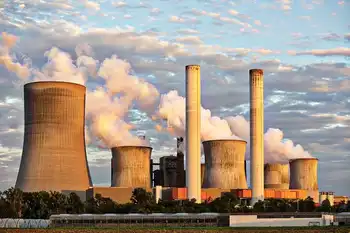
Increasingly, in the worldwide discourse on climate change, nuclear power plants are being touted as a zero-emission clean energy source, with Ontario exploring large-scale nuclear to expand capacity, and a key solution towards meeting reduced emissions goals. New technological advancements could make nuclear power far safer than existing plant designs.
When queried on whether British Columbia should support nuclear power for electricity generation, respondents in a new province-wide survey by Research Co. were split, with 43% in favour and 40% against.
Levels of support reached 46% in Metro Vancouver, 41% in the Fraser Valley, 44% in Southern BC, 39% in Northern BC, and 36% on Vancouver Island.
The closest nuclear power plant to BC is the Columbia Generating Station, located in southern Washington State.
The safe use of nuclear power came to the forefront following the 2011 Fukushima nuclear disaster when the most powerful earthquake ever recorded in Japan triggered a large tsunami that damaged the plant’s emergency generators. Japan subsequently shut off many of its nuclear power plants and increased its reliance on fossil fuel imports, but in recent years there has been a policy reversal to restart shuttered nuclear plants to provide the nation with improved energy security.
Over the past decade, Germany has also been undergoing a transition away from nuclear power. But in an effort to replace Russian natural gas, Germany is now using more coal for power generation than ever before in decades, while Ontario’s electricity outlook suggests a shift to a dirtier mix, and it is looking to expand its use of liquefied natural gas (LNG).
Last summer, German chancellor Olaf Scholz told the CBC he wants Canada to increase its shipments of LNG gas to Europe. LNG, which is greener compared to coal and oil, is generally seen as a transitionary fuel source for parts of the world that currently depend on heavy polluting fuels for power generation.
When the Research Co. survey asked BC residents whether they support the further development of the province’s LNG industry, including LNG electricity demand that BC Hydro says justifies Site C, 55% of respondents were supportive, while 29% were opposed and 17% undecided.
Support for the expansion of the LNG is highest in Southern BC (67%), followed by the Fraser Valley (56%), Metro Vancouver (also 56%), Northern BC (55%), and Vancouver Island (41%).
A larger proportion of BC residents are against any idea of the provincial government moving to ban the use of natural gas for stoves and heating in new buildings, with 45% opposed and 39% in support.
Significant majorities of BC residents are concerned that energy costs could become too expensive, and a report on coal phase-outs underscores potential cost and effectiveness concerns, with 84% expressing concern for residents and 66% for businesses. As well, 70% are concerned that energy shortages could lead to measures such as rationing and rolling blackouts.
Currently, about 90% of BC’s electricity is produced by hydroelectric dams, but this fluctuates throughout the year — at times, BC imports coal- and gas-generated power from the United States when hydro output is low.
According to BC Hydro’s five-year electrification plan released in September 2021, it is estimated BC has a sufficient supply of clean electricity only by 2030, including the capacity of the Site C dam, which is slated to open in 2025. The $16 billion dam will have an output capacity of 1,100 megawatts or enough power for the equivalent of 450,000 homes.
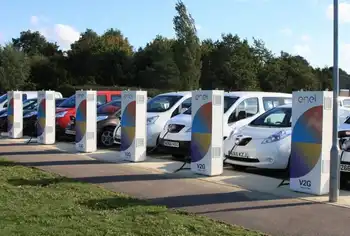
The provincial government’s strategy for pushing vehicles towards becoming dependent on the electrical grid also necessitates a reliable supply of power, prompting BC Hydro’s first call for power in 15 years to prepare for electrification. Most BC residents support the provincial government’s requirement for all new car and passenger truck sales to be zero-emission by 2035, with 75% supporting the goal and 21% opposed.