Alberta set to retire coal power by 2023, ahead of 2030 provincial deadline

CSA Z463 Electrical Maintenance -
Our customized live online or in‑person group training can be delivered to your staff at your location.

- Live Online
- 6 hours Instructor-led
- Group Training Available
Alberta coal phaseout accelerates as utilities convert to natural gas, cutting emissions under TIER regulations and deploying hydrogen-ready, carbon capture capable plants, alongside new solar projects in a competitive, deregulated electricity market.
What You Need to Know
A provincewide shift from coal to natural gas and renewables, cutting power emissions years ahead of the 2030 target.
Capital Power, TransAlta converting coal units to gas
TIER pricing drives efficiency, carbon capture readiness
Hydrogen-ready turbines, solar projects boost renewables
Alberta is set to meet its goal to eliminate coal-fired electricity production years earlier than its 2030 target, amid a broader shift to cleaner energy in the province, thanks to recently announced utility conversion projects.
Capital Power Corp.’s plan to spend nearly $1 billion to switch two coal-fired power units west of Edmonton to natural gas, and stop using coal entirely by 2023, was welcomed by both the province and the Pembina Institute environmental think-tank.
In 2014, 55 per cent of Alberta’s electricity was produced from 18 coal-fired generators. The Alberta government announced in 2015 it would eliminate emissions from coal-fired electricity generation by 2030.
Dale Nally, associate minister of Natural Gas and Electricity, said Friday that decisions by Capital Power and other utilities to abandon coal will be good for the environment and demonstrates investor confidence in Alberta’s deregulated electricity market, where the power price cap has come under scrutiny.
He credited the government’s Technology Innovation and Emissions Reduction (TIER) regulations, which put a price on industrial greenhouse gas emissions, as a key factor in motivating the conversions.
“Capital Power’s transition to gas is a great example of how private industry is responding effectively to TIER, as it transitions these facilities to become carbon capture and hydrogen ready, which will drive future emissions reductions,” Nally said in an email.
Capital Power said direct carbon dioxide emissions at its Genesee power facility near Edmonton will be about 3.4 million tonnes per year lower than 2019 emission levels when the project is complete.
It says the natural gas combined cycle units it’s installing will be the most efficient in Canada, adding they will be capable of running on 30 per cent hydrogen initially, with the option to run on 95 per cent hydrogen in future with minor investments.
In November, Calgary-based TransAlta Corp. said it will end operations at its Highvale thermal coal mine west of Edmonton by the end of 2021 as it switches to natural gas at all of its operated coal-fired plants in Canada four years earlier than previously planned.
The Highvale surface coal mine is the largest in Canada, and has been in operation on the south shore of Wabamun Lake in Parkland County since 1970.
The moves by the two utilities and rival Atco Ltd., which announced three years ago it would convert to gas at all of its plants by this year, mean significant emissions reduction and better health for Albertans, said Binnu Jeyakumar, director of clean energy for Pembina.
“Alberta’s early coal phaseout is also a great lesson in good policy-making done in collaboration with industry and civil society,” she said.
“As we continue with this transformation of our electricity sector, it is paramount that efforts to support impacted workers and communities are undertaken.”
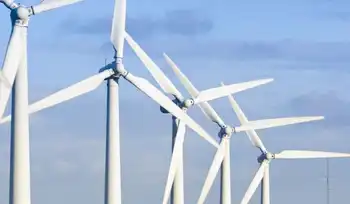
She added the growing cost-competitiveness of renewable energy, such as wind power, makes coal plant retirements possible, applauding Capital Power’s plans to increase its investments in solar power.
In Ontario, clean power policy remains a focus as the province evaluates its energy mix.
The company announced it would go ahead with its 75-megawatt Enchant Solar power project in southern Alberta, investing between $90 million and $100 million, and that it has signed a 25-year power purchase agreement with a Canadian company for its 40.5-MW Strathmore Solar project now under construction east of Calgary.