Senate Committee Advised by WIRES Counsel That Electric Transmission Still Faces Barriers to Development
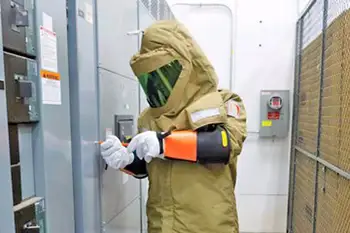
CSA Z462 Arc Flash Training – Electrical Safety Compliance Course
Our customized live online or in‑person group training can be delivered to your staff at your location.
- Live Online
- 6 hours Instructor-led
- Group Training Available
U.S. Transmission Grid Modernization underscores FERC policy certainty, high-voltage infrastructure upgrades, renewables integration, electrification, and grid resilience to cut congestion and enable distributed energy resources, safeguarding against extreme weather, cyber threats, and market volatility.
In This Story
A plan to expand, upgrade, and secure high-voltage networks for renewables integration, electrification, reliability.
Replace aging grid, lower congestion, deliver customer benefits
Enable DERs and renewables access to markets via robust transmission
Support electrification of transport, heating, and industry needs
Improve resilience to weather, cyber, and physical threats
Today, in a high-visibility hearing on U.S. energy delivery infrastructure before the United States Senate Committee on Energy and Natural Resources, WIRES Executive Director and Former FERC Chairman Jim Hoecker addressed the challenges and opportunities that confront the modern high-voltage grid as the industry strives to upgrade and expand it to meet the demands of consumers and the economy.
In prepared testimony and responses to Senators' questions, Hoecker urged the Committee to support industry efforts to expand and upgrade the transmission network and to help regulators, especially the Federal Energy Regulatory Commission (FERC action on aggregated DERs), promote certainty and predictability in energy policy and regulation.
His testimony stressed these points:
Significant transmission investment is needed now to replace aging infrastructure like the aging grid risks to clean energy, reduce congestion costs, and deliver widespread benefits to customers.
Increasingly, the role of the transmission grid is to integrate new distributed resources and renewable energy into the electric system and make them available to the market.
The changing electric generation mix, including needed nuclear innovation, and the coming electrification of transportation, heating, and other segments of the American economy in the next quarter century will depend on a strong and adaptable electric system. A robust transmission grid will be the linchpin that will enable us to meet those demands.
"Transmission is the common element that will support all future electricity needs and provide a hedge against uncertainties and potential costly outcomes. The time is now to be proactive in encouraging additional investments in our nation's most crucial infrastructure: the electric transmission system," Hoecker said.
Hoecker's testimony also emphasized that transmission investment will contribute to the overall resilience of the electric system by bringing multiple resources and technologies to bear on threats to the power system, including extreme weather and proposals like a wildfire-resilient grid bill, cyber or physical attacks, or other events. Visit WIRES website for recently filed comments on the subject (supported by a Brattle Group study).
"Transmission gives us the optionality to adapt to whatever the future holds, and a modern and resilient transmission system, informed by Texas reliability improvements, will be the most valuable energy asset we have," says Nina Plaushin, president of WIRES and vice president of federal affairs, regulatory and communications for ITC Holdings Corp.
Hoecker closed his testimony by emphasizing that the "electrification" scenario that is being discussed across multiple industries demands action now in order to ensure policy and regulatory certainty that will support needed transmission investment. More studies need to be conducted to better understand and define how this delivery network must be configured and planned in anticipation of this potential transformation in how we use electrical energy. A full copy of the WIRES testimony can be found here.