Europeans push back from Russian oil and gas
CSA Z462 Arc Flash Training – Electrical Safety Compliance Course
Our customized live online or in‑person group training can be delivered to your staff at your location.

- Live Online
- 6 hours Instructor-led
- Group Training Available
EU Renewable Energy Transition is accelerating under REPowerEU, as wind and solar generation hit records, improving energy security, efficiency, and decarbonization while reducing reliance on Russian fossil fuels across the EU grid.
Essential Takeaways
EU shift to wind and solar under REPowerEU to cut fossil fuels, boost efficiency, and secure energy supply.
Wind and solar set record 22% of EU electricity in 2022
REPowerEU targets over 40% renewables and 15% lower demand by 2030
Diversifies away from Russian fuels; partners with US and Norway
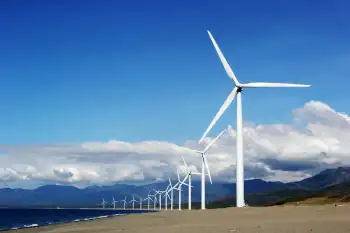
Europe is producing all-time highs of wind and solar energy as the 27-country group works to reduce its reliance on fossil fuels from Russia, a shift underscored by Europe's green surge across the bloc.
Four months after Vladimir Putin’s full-scale invasion of Ukraine in February 2022, the European Commission launched REPowerEU. This campaign aims to:
- Boost the use of renewable energy.
- Reduce overall energy consumption.
- Diversify energy sources.
EU countries were already moving toward renewable energy, but Russia’s war against Ukraine accelerated that trend. In 2022, for the first time, renewables surpassed fossil fuels and wind and solar power surpassed gas as a source of electricity. Wind and solar provided a record-breaking 22% of EU countries’ electrical supply, according to London-based energy think tank Ember.
“We have to double down on investments in home-grown renewables,” European Commission President Ursula von der Leyen said in October 2022. “Not only for the climate but also because the transition to the clean energy is the best way to gain independence and to have security of energy supply.”
Across the continent, growth in solar generation rose by 25% in 2022, according to Ember, as solar reshapes electricity prices in Northern Europe. Twenty EU countries produced their highest share of solar power in 2022. In October, Greece ran entirely on renewables for several hours and is seven years ahead of schedule for its 2030 solar capacity target.
Meanwhile, Ireland's green electricity target aims to make more than a third of its power supply renewable within four years.
By 2030, RePowerEU aims to provide more than 40% of the EU’s total power from renewables, aligning with global renewable records being shattered worldwide.
To meet the European Commission’s goal to cut EU energy usage by 15%, people and governments changed their habits and became more energy-efficient, while Germany's solar power boost helped bolster supply. Among their actions:
- Germany turned down the heat in public buildings and lowered the cost of train tickets to reduce car usage, as clean energy hit 50% in Germany during this period.
- Spain ordered stores and public buildings to turn off their lights at night.
- France dimmed the Eiffel Tower and reduced city speed limits.
For the oil and gas that the EU still needed to import, countries turned to partners such as Norway and the United States.