Vancouver's Reversal on Gas Appliances
Protective Relay Training - Basic
Our customized live online or in‑person group training can be delivered to your staff at your location.
- Live Online
- 12 hours Instructor-led
- Group Training Available
Vancouver Natural Gas Ban Reversal spotlights energy policy, electrification tradeoffs, heat pumps, emissions, grid reliability, and affordability, reshaping building codes and decarbonization pathways while inviting stakeholders to weigh practical constraints and climate goals.
The Big Picture
Vancouver ending its ban on natural gas in new homes to balance climate goals with reliability, costs, and technology.
Reopens natural gas use in new homes; revises building code direction.
Highlights cost, reliability, and cold-climate performance constraints.
Balances heat pumps with gas amid 2050 GHG targets and load growth.
Raises grid adequacy, intertie, and peak-demand planning questions.
Encourages inclusive, evidence-based policy and market stakeholder input.
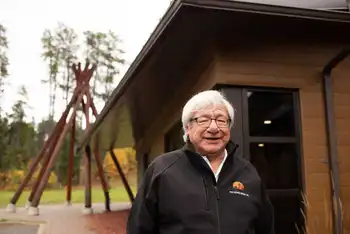
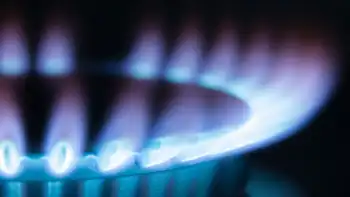
In a significant policy shift, Vancouver has decided to lift its ban on natural gas appliances in new homes, a move that marks a pivotal moment in the city's energy policy and environmental strategy. This decision, announced recently and following the city's Clean Energy Champion recognition for Bloedel upgrades, has sparked a broader conversation about the future of energy systems and the balance between environmental goals and practical energy needs. Stewart Muir, CEO of Resource Works, argues that this reversal should catalyze a necessary dialogue on energy choices, highlighting both the benefits and challenges of such a policy change.
Vancouver's original ban on natural gas appliances was part of a broader initiative aimed at reducing greenhouse gas emissions and promoting sustainability, including progress toward phasing out fossil fuels where feasible over time. The city had adopted stringent regulations to encourage the use of electric heat pumps and other low-carbon technologies in new residential buildings. This move was aligned with Vancouver’s ambitious climate goals, which include achieving carbon neutrality by 2050 and significantly cutting down on fossil fuel use.
However, the recent decision to reverse the ban reflects a growing recognition of the complexities involved in transitioning to entirely new energy systems. The city's administration acknowledged that while electric alternatives offer environmental benefits, they also come with challenges that can affect homeowners, builders, and the broader energy infrastructure, including options for bridging the electricity gap with Alberta to enhance regional reliability.
Stewart Muir argues that Vancouver’s policy shift is not just about natural gas appliances but represents a larger conversation about energy system choices and their implications. He suggests that the reversal of the ban provides an opportunity to address key issues related to energy reliability, affordability, and the practicalities of integrating new technologies, including electrified LNG options for industry within the province into existing systems.
One of the primary reasons behind the reversal is the recognition of the practical limitations and costs associated with transitioning to electric-only systems. For many homeowners and builders, natural gas appliances have long been a reliable and cost-effective option. The initial ban on these appliances led to concerns about increased construction costs and potential disruptions for homeowners who were accustomed to natural gas heating and cooking.
In addition to cost considerations, there are concerns about the reliability and efficiency of electric alternatives. Natural gas has been praised for its stable energy supply and efficient performance, especially in colder climates where electric heating systems might struggle to maintain consistent temperatures or fully utilize Site C's electricity under peak demand. By reversing the ban, Vancouver acknowledges that a one-size-fits-all approach may not be suitable for every situation, particularly when considering diverse housing needs and energy demands.
Muir emphasizes that the reversal of the ban should prompt a broader discussion about how to balance environmental goals with practical energy needs. He argues that rather than enforcing a blanket ban on specific technologies, it is crucial to explore a range of solutions that can effectively address climate objectives while accommodating the diverse requirements of different communities and households.
The debate also touches on the role of technological innovation in achieving sustainability goals. As energy technologies continue to evolve, renewable electricity is coming on strong and new solutions and advancements could potentially offer more efficient and environmentally friendly alternatives. The conversation should include exploring these innovations and considering how they can be integrated into existing energy systems to support long-term sustainability.
Moreover, Muir advocates for a more inclusive approach to energy policy that involves engaging various stakeholders, including residents, businesses, and energy experts. A collaborative approach can help identify practical solutions that address both environmental concerns and the realities of everyday energy use.
In the broader context, Vancouver’s decision reflects a growing trend in cities and regions grappling with energy transitions. Many urban centers are evaluating their energy policies and considering adjustments based on new information and emerging technologies. The key is to find a balance that supports climate goals such as 2050 greenhouse gas targets while ensuring that energy systems remain reliable, affordable, and adaptable to changing needs.
As Vancouver moves forward with its revised policy, it will be important to monitor the outcomes and assess the impacts on both the environment and the community. The reversal of the natural gas ban could serve as a case study for other cities facing similar challenges and could provide valuable insights into how to navigate the complexities of energy transitions.



In conclusion, Vancouver’s decision to reverse its ban on natural gas appliances in new homes is a significant development that opens the door for a critical dialogue about energy system choices. Stewart Muir’s call for a broader conversation emphasizes the need to balance environmental ambitions with practical considerations, such as cost, reliability, and technological advancements. As cities continue to navigate their energy futures, finding a pragmatic and inclusive approach will be essential in achieving both sustainability and functionality in energy systems.