U.S. Nonprofit Invests $250M in Electric Trucks for California Ports
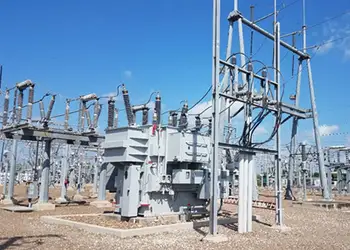
Substation Relay Protection Training
Our customized live online or in‑person group training can be delivered to your staff at your location.
- Live Online
- 12 hours Instructor-led
- Group Training Available
California Ports Electric Truck Leasing accelerates zero-emission logistics, cutting diesel pollution at Los Angeles and Long Beach. A $250 million nonprofit plan funds heavy-duty EVs and charging infrastructure to improve air quality and community health.
The Latest Developments
A nonprofit's $250M plan to lease EV trucks at LA/Long Beach ports to cut diesel emissions and improve air quality.
$250M lease program for heavy-duty EVs at LA/Long Beach ports
Cuts diesel emissions; improves air quality in nearby communities
Requires robust charging infrastructure and OEM partnerships
In a significant move towards sustainable transportation, a prominent U.S. nonprofit has announced plans to invest $250 million in leasing electric trucks for operations at California ports. This initiative aims to reduce air pollution and promote greener logistics, responding to the urgent need for environmentally friendly solutions in the transportation sector.
Addressing Environmental Concerns
California’s ports, particularly the Port of Los Angeles and the Port of Long Beach, are among the busiest in the United States. However, they also contribute significantly to air pollution due to the heavy reliance on diesel trucks for cargo transport. These ports are essential for the economy, facilitating trade and commerce, but the environmental toll is considerable. Diesel emissions are linked to respiratory issues and other health problems in nearby communities, which often bear the brunt of pollution.
The nonprofit's investment in electric trucks is a critical step towards mitigating these environmental challenges. By transitioning to electric vehicles (EVs), the project aims to significantly cut emissions from port operations, contributing to California's broader goals of reducing greenhouse gas emissions and improving air quality.
The Scale of the Initiative
This ambitious initiative involves leasing a fleet of electric trucks that will operate within the ports and surrounding areas. The $250 million investment is expected to facilitate the acquisition of hundreds of electric vehicles, which will replace conventional diesel trucks used for cargo transport. This fleet will help demonstrate the viability and effectiveness of electric trucks in heavy-duty applications, paving the way for broader adoption.
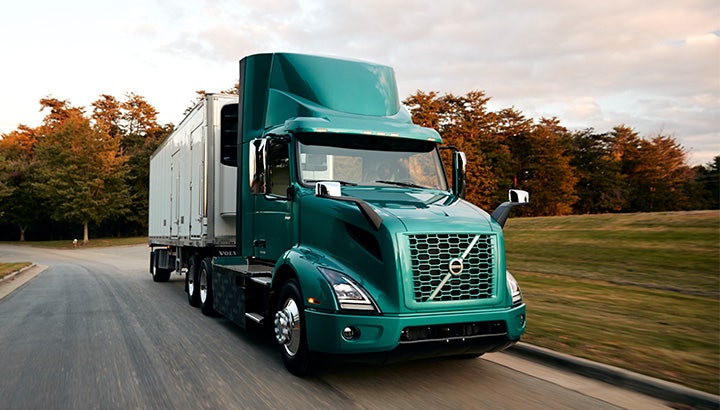
The plan includes partnerships with established electric truck manufacturers, such as the Volvo VNR Electric platform, and local logistics companies to ensure seamless integration of these vehicles into existing operations. By collaborating with industry leaders, the initiative seeks to establish a model that can be replicated in other major logistics hubs across the country.
Economic and Community Benefits
The introduction of electric trucks is expected to yield multiple benefits, not only in terms of environmental impact but also economically. As these trucks begin operations, and as other fleets adopt electric mail trucks, they will create jobs within the green technology sector, from manufacturing to maintenance and charging infrastructure development. The project is anticipated to stimulate local economies, providing new opportunities in communities that have historically been disadvantaged by pollution.
Moreover, the initiative is poised to enhance public health. By reducing diesel emissions, the nonprofit aims to improve air quality for residents living near the ports, and emerging research links EV adoption to fewer asthma-related ER visits in local communities. This could lead to decreased healthcare costs associated with pollution-related illnesses, benefiting both the community and the healthcare system.
Challenges Ahead
While the initiative is promising, challenges remain. The successful implementation of electric trucks at scale requires a robust charging infrastructure capable of supporting the significant power needs of a large fleet. Additionally, the transition from diesel to electric vehicles involves significant upfront costs, even with leasing arrangements. Ensuring that logistics companies can manage these costs effectively will be crucial for the project's success.
Furthermore, electric trucks currently face limitations in terms of range and payload capacity compared to their diesel counterparts. Continued advancements in battery technology and infrastructure development will be necessary to fully realize the potential of electric vehicles in heavy-duty applications.
The Bigger Picture
This investment in electric trucks aligns with broader national and global efforts to combat climate change. As governments and organizations commit to reducing carbon emissions, initiatives like this one represent crucial steps toward achieving sustainability goals, and ports worldwide are also piloting complementary technologies like hydrogen-powered cranes to decarbonize cargo handling.
California has set ambitious targets for reducing greenhouse gas emissions, including a mandate for all new trucks to be zero-emission by 2045. The nonprofit’s investment not only supports these goals, amid ongoing debates over funding priorities in the state, but also serves as a pilot program that could inform future policies and investments in clean transportation.
The $250 million investment in electric trucks for California ports marks a significant milestone in the push for sustainable transportation solutions. By addressing the urgent need for cleaner logistics, this initiative stands to benefit the environment, public health, and the economy. As the project unfolds, it will be closely watched as a potential model for similar efforts across the country and beyond, with developments such as the all-electric berth at London Gateway illustrating parallel advances, highlighting the critical intersection of innovation, sustainability, and community well-being in the modern logistics landscape.

_1557567480.webp)