Wind is main source of UK electricity for first time
Protective Relay Training - Basic
Our customized live online or in‑person group training can be delivered to your staff at your location.
- Live Online
- 12 hours Instructor-led
- Group Training Available
UK Renewable Energy Milestones: wind outpacing gas, record solar output, offshore wind growth, National Grid data, and a net-zero grid by 2035, despite planning reforms, connection queues, and grid capacity constraints.
What You Need to Know
Key UK advances where wind beat gas, solar set records, and policies target a 2035 net-zero electricity grid.
Wind generated one-third of electricity, outpacing gas
Record solar output reported by National Grid in April
Onshore wind easing via planning reforms; grid delays persist
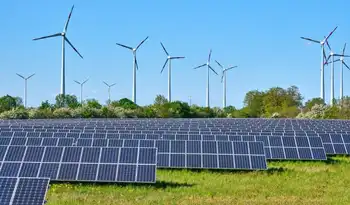
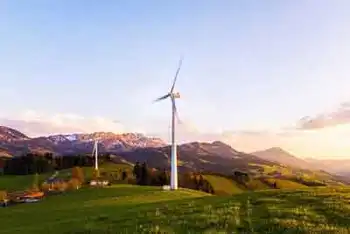
In the first three months of this year a third of the country's electricity came from wind farms, with the UK leading the G20 for wind power according to research from Imperial College London has shown.
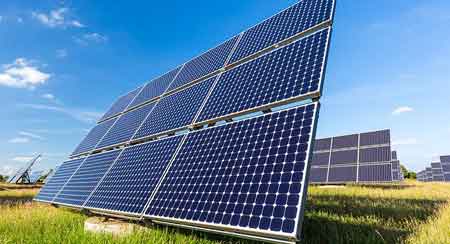
National Grid has also confirmed that April saw a record period of solar energy generation, and wind generation set new records earlier in the year.
By 2035 the UK aims for all of its electricity to have net zero emissions, though progress stalled in 2019 in some areas.
"There are still many hurdles to reaching a completely fossil fuel-free grid, but wind out-supplying gas for the first time, a sign of wind leading the power mix, is a genuine milestone event," said Iain Staffell, energy researcher at Imperial College and lead author of the report.
The research was commissioned by Drax Electrical Insights, which is funded by Drax energy company.
The majority of the UK's wind power has come from offshore wind farms, and wind generated more electricity than coal in 2016 marking an early shift. Installing new onshore wind turbines has effectively been banned since 2015 in England.
Under current planning rules, companies can only apply to build onshore wind turbines on land specifically identified for development in the land-use plans drawn up by local councils. Prime Minister Rishi Sunak agreed in December to relax these planning restrictions to speed up development.
Scientists say switching to renewable power is crucial to curb the impacts of climate change, with milestones like wind and solar topping nuclear underscoring the shift, which are already being felt, including in the UK, which last year recorded its hottest year since records began.
Solar and wind have seen significant growth in the UK. In the first quarter of 2023, 42% of the UK's electricity came from renewable energy, with 33% coming from fossil fuels like gas and record-low coal shares.
Some new solar and wind sites are waiting up to 10 to 15 years to be connected because of a lack of capacity in the electricity system.
And electricity only accounts for 18% of the UK's total power needs. There are many demands for energy which electricity is not meeting, such as heating our homes, manufacturing and transport.
Currently the majority of UK homes use gas for their heating - the government is seeking to move households away from gas boilers and on to heat pumps which use electricity.