UK to Tax EVs Per Mile Starting in 2028
High Voltage Maintenance Training Online
Our customized live online or in‑person group training can be delivered to your staff at your location.

- Live Online
- 12 hours Instructor-led
- Group Training Available
Britain will introduce a per-mile tax on electric vehicles in 2028 to offset declining fuel duty revenues, raising questions about EV adoption, road funding, driver behavior, and how governments should replace billions lost from petrol and diesel taxes.
At A Glance
• UK introduces per-mile EV tax starting in 2028
• Policy replaces declining fuel duty as combustion engines disappear
• Auto industry warns of reduced EV adoption
• Government says road wear and funding justify the new system
Per-mile Tax on Electric Vehicles
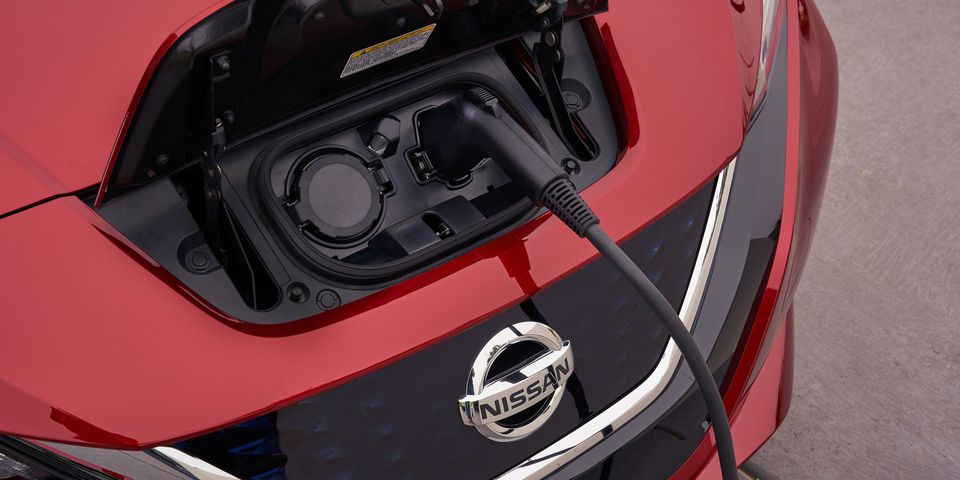
Britain has become the first major economy to announce a per-mile tax on electric vehicles, a policy intended to offset the long-term collapse of fuel duty revenue as petrol and diesel cars disappear. The plan introduces a 3p per mile charge for battery electric vehicles and a 1.5p per mile charge for plug-in hybrids, effective from April 2028. Similar uncertainty has been seen overseas, for example, in EV Europe Decline, where falling demand and weakening incentives are complicating clean-transport transitions.
Fuel duties currently generate £24.4 billion a year, about two percent of all government revenue. As combustion engine vehicles phase out, these revenues are expected to halve in the 2030s and approach zero by 2050. The government argues that EVs, which also create wear and congestion on the roads, should contribute to the roughly £13 billion spent annually on road infrastructure. Broader power supply dynamics matter too — as shown in EU Electricity Trends, Europe’s power markets are increasingly volatile under shifting demand and generation patterns.
There are concerns about the effect on EV adoption. Britain plans to ban new petrol and diesel car sales in 2030, and the Office for Budget Responsibility expects the mileage tax to reduce EV sales by 440,000 units by 2030, partially offset by incentives such as expanded grants and changes to excise duty.
The auto industry is strongly opposed. Similar policies in New Zealand and Iceland in 2024 triggered sharp declines in EV purchases, though both countries removed incentive programs at the same time. The UK approach avoids GPS tracking and will require drivers to estimate mileage and reconcile it during annual inspections, a system critics say may increase odometer tampering and administrative burden. The impact of large-scale load growth is clear from infrastructure reports such as Europe HVDC, which describe the need for high-capacity transmission upgrades to support heavy consumption zones.
In the long term, many experts believe real-time mileage technology will eventually be required for road pricing. The challenge for governments will be managing the transition from today’s simple fuel-based levies to a future system that supports climate goals while maintaining revenue stability.
Analysts warn that rapid electrification, combined with growing load demand, may trigger reliability challenges, echoing NREL's findings that grid planning must keep pace with evolving load and generation patterns.
Britain now serves as a test case for balancing public finances amid the shift to zero-emission transport.