Europe's EV Slump Sounds Alarm for Climate Goals
CSA Z462 Arc Flash Training – Electrical Safety Compliance Course
Our customized live online or in‑person group training can be delivered to your staff at your location.

- Live Online
- 6 hours Instructor-led
- Group Training Available
Europe EV Sales Slowdown signals waning incentives, economic uncertainty, and supply chain constraints, threatening climate targets and net-zero emissions goals while highlighting the need for charging infrastructure, affordable batteries, and policy support across key markets.
Breaking Down the Details
Europe's early-2024 EV registrations fell as incentives waned and supply gaps persisted, putting climate targets at risk.
Subsidy rollbacks weaken consumer economics in key EU markets.
Inflation and recession fears delay big-ticket auto purchases.
Battery materials and logistics bottlenecks inflate EV costs.
Charging build-out lags demand, deterring mainstream adoption.
Stronger policy signals needed to meet 2035 and 2050 climate goals.
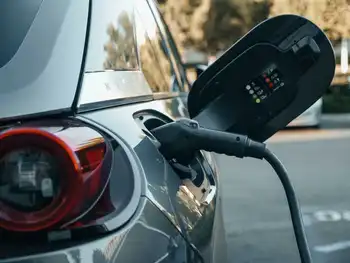
A recent slowdown in Europe's electric vehicle (EV) sales raises serious concerns about the region's ability to achieve its ambitious climate targets. After years of steady growth, new EV registrations declined in key markets like Norway, Germany, and the U.K. in early 2024. Experts are warning that this slump jeopardizes the transition away from fossil fuels and could undermine Europe's commitment to a net-zero emissions future.
Factors Behind the Decline
Several factors are contributing to the slowdown in EV sales:
- Reduced Incentives: Many European countries have scaled back generous subsidies and tax breaks for EV purchases. While these incentives played a crucial role in driving early adoption, their reduction has made EVs less financially attractive for some consumers, with many U.K. buyers citing higher prices even after discounts.
- End of ICE Ban Support: Public support for phasing out gasoline and diesel-powered cars by 2035, a key European Union policy, appears to be waning in some areas. Without robust support for this measure, consumers may be less inclined to embrace the transition to electric vehicles.
- Economic Uncertainty: Rising inflation and fears of a recession in Europe have made consumers hesitant to invest in big-ticket purchases like new cars, regardless of fuel type. This economic uncertainty is impacting both electric and conventional vehicle sales.
- Supply Chain Constraints: Ongoing supply chain disruptions and shortages of raw materials like lithium continue to impact the availability of affordable electric vehicles. This means potential buyers face long wait times or inflated prices even when they're ready to embrace EVs.
Consequences for Europe's Green Agenda
The decline in EV sales threatens Europe's plans to reduce carbon emissions and become the first climate-neutral continent by 2050, aligning with a broader push for electricity to address the climate dilemma across Europe. The transportation sector is a major contributor to greenhouse gas emissions, and the rapid electrification of vehicles is a pillar of Europe's decarbonization strategy.
The current slump highlights the need for continued policy support for the EV market, as EVs still trail gas models in many markets today, to ensure long-term growth and affordability for consumers. Without action, experts fear that Europe may find itself locked into a dependence on fossil fuels for decades to come, making its climate targets unreachable.
A Global Concern
Europe is a leader in electric vehicle policies and technology, during a period when global EV sales climbed markedly. The recent slowdown, however, sends a worrying signal to other regions around the world aiming to accelerate their transition to electric vehicles, including the U.S. market's Q1 dip as a cautionary example. It underscores the importance of sustained government support, investment in charging infrastructure and overcoming supply chain challenges to secure a future of widespread electric vehicle use, with many forecasts suggesting mass adoption within a decade if support continues.