Trump's Proposal to Control Ukraine's Nuclear Plants Sparks Controversy
Electrical Testing & Commissioning of Power Systems
Our customized live online or in‑person group training can be delivered to your staff at your location.
- Live Online
- 12 hours Instructor-led
- Group Training Available
US Control of Ukraine Nuclear Plants sparks debate over ZNPP, Zaporizhzhia, sovereignty, safety, ownership, and international cooperation, as Washington touts utility expertise, investment, and modernization to protect critical energy infrastructure amid conflict.
Context and Background
US management proposal for Ukraine's nuclear assets, notably ZNPP, balancing sovereignty, safety, and investment.
Trump suggested U.S. control to safeguard ZNPP and other sites
Zelenskyy affirms ownership rests with Ukraine, not subject to transfer
IAEA flags persistent safety risks near the occupied Zaporizhzhia site
Debate splits on sovereignty, modernization, and wartime energy security
In a recent phone call with Ukrainian President Volodymyr Zelenskyy, U.S. President Donald Trump proposed that the United States take control of Ukraine's nuclear power plants, including the Zaporizhzhia Nuclear Power Plant (ZNPP), which has been under Russian occupation since early in the war and where Russia is reportedly building power lines to reactivate the plant amid ongoing tensions. Trump suggested that American ownership of these plants could be the best protection for their infrastructure, a proposal that has sparked controversy in policy circles, and that the U.S. could assist in running them with its electricity and utility expertise.
Ukrainian Response
President Zelenskyy promptly addressed Trump's proposal, stating that while the conversation focused on the ZNPP, the issue of ownership was not discussed. He emphasized that all of Ukraine's nuclear power plants belong to the Ukrainian people and that any transfer of ownership would require parliamentary approval . Zelenskyy clarified that while the U.S. could invest in and help modernize the ZNPP, ownership would remain with Ukraine.
Security Concerns
The ZNPP, Europe's largest nuclear facility, has been non-operational since its occupation by Russian forces in 2022. The plant's location near active conflict zones raises significant safety risks that the IAEA has warned of in connection with attacks on Ukraine's power grids, and its future remains uncertain. Ukrainian officials have expressed concerns about potential Russian provocations, such as explosions, especially after UN inspectors reported mines at the Zaporizhzhia plant near key facilities, if and when Ukraine attempts to regain control of the plant.
International Reactions
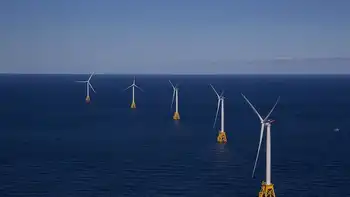
The proposal has elicited mixed reactions both within Ukraine and internationally. Some Ukrainian officials view it as an opportunistic move by the U.S. to gain control over critical infrastructure, while others see it as a potential avenue for modernization and investment, alongside expanding wind power that is harder to destroy in wartime. The international community remains divided on the issue, with some supporting Ukraine's sovereignty over its nuclear assets and others advocating for a possible agreement on power plant attacks to ensure the plant's safety and future operation.
President Trump's proposal to have the U.S. take control of Ukraine's nuclear power plants has sparked significant controversy. While the U.S. offers expertise and investment, Ukraine maintains that ownership of its nuclear assets is a matter of national sovereignty, even as it has resumed electricity exports to bolster its economy. The situation underscores the complex interplay between security, sovereignty, and international cooperation in conflict zones.