Russia-Ukraine Agreement on Power Plant Attacks Possible
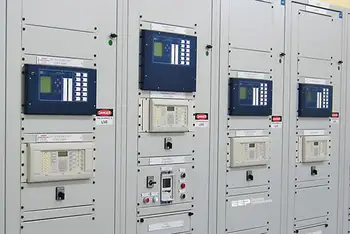
Protective Relay Training - Basic
Our customized live online or in‑person group training can be delivered to your staff at your location.
- Live Online
- 12 hours Instructor-led
- Group Training Available
Russia-Ukraine Energy Ceasefire explores halting strikes on power plants, safeguarding energy infrastructure and grids, easing humanitarian crises, stabilizing European markets, and advancing diplomatic talks on security, resilience, and critical infrastructure protection.
Key Highlights
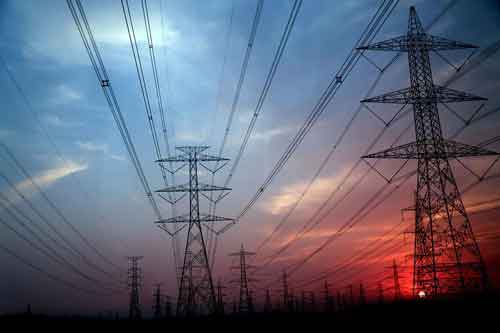
A proposed pact to halt strikes on power plants, protect energy infrastructure, and stabilize grids and security.
Targets: halt strikes on power plants and grids on both sides.
Expected impact: improved civilian safety and energy reliability.
Diplomatic mediation by EU, US, and international monitors.
Compliance requires verification, monitoring, and confidence-building.
In a significant diplomatic development amid ongoing conflict, Russia and Ukraine are reportedly exploring the possibility of reaching an agreement to halt attacks on each other’s power plants. This potential cessation of hostilities could have far-reaching implications for the energy security and stability of both nations, as well as for the broader European energy landscape.
The Context of Energy Warfare
The conflict between Russia and Ukraine has escalated into what many analysts term "energy warfare," where both sides have targeted each other’s energy infrastructure. Such actions not only aim to undermine the adversary’s military capabilities but also have profound effects on civilian populations, leading to widespread power outages and humanitarian crises. Energy infrastructure has become a focal point in the conflict, with power plants and grids frequently damaged or destroyed.
The ongoing hostilities have raised concerns about energy security in Europe, with some warning of an energy nightmare if disruptions escalate, especially as many countries in the region rely on energy supplies from Russia. The attacks on power facilities exacerbate vulnerabilities in the energy supply chain, prompting calls for a ceasefire that encompasses energy infrastructure.
The Humanitarian Implications
The humanitarian impact of the conflict has been staggering, with millions of civilians affected by power outages, heating shortages, and disrupted access to essential services. The winter months, in particular, pose a grave challenge, as Ukraine prepares for winter amid ongoing energy constraints for vulnerable populations. A potential agreement to cease attacks on power plants could provide much-needed relief and stability for civilians caught in the crossfire.
International organizations, including the United Nations and various humanitarian NGOs, have been vocal in urging both parties to prioritize civilian safety and to protect critical infrastructure. Any agreement reached could facilitate aid efforts and enhance the overall humanitarian situation in affected areas.
Diplomatic Efforts and Negotiations
Reports indicate that diplomatic channels are being utilized to explore this potential agreement. While the specifics of the negotiations remain unclear, the idea of protecting energy infrastructure has been gaining traction among international diplomats. Key players, including European nations and the United States, with debates over U.S. energy security shaping positions, may play a pivotal role in mediating discussions.
Negotiating a ceasefire concerning energy infrastructure could serve as a preliminary step toward broader peace talks. By demonstrating goodwill through a tangible agreement, both parties might foster an environment conducive to further negotiations on other contentious issues in the conflict.
The Broader European Energy Landscape
The ramifications of an agreement between Russia and Ukraine extend beyond their borders. The stability of energy supplies in Europe is inextricably linked to the dynamics of the conflict, and the posture of certain EU states, such as Hungary's energy alliance with Russia, also shapes outcomes across the region. Many European nations have been grappling with rising energy prices and supply uncertainties, particularly in light of reduced gas supplies from Russia.
A halt to attacks on power plants could alleviate some of the strain on energy markets, which have experienced price hikes and instability in recent months, helping to stabilize prices and improve energy security for neighboring countries. Furthermore, it could pave the way for increased cooperation on energy issues, such as joint projects for renewable energy development or grid interconnections.
Future Considerations
While the prospect of an agreement is encouraging, skepticism remains about the willingness of both parties to adhere to such terms. The historical context of mistrust and previous violations of ceasefires, as both sides have accused each other of violations in recent months, raises questions about the durability of any potential pact. Continued dialogue and monitoring by international entities will be essential to ensure compliance and to build confidence between the parties.
Moreover, as discussions progress, it will be crucial to consider the long-term implications for energy policy in both Russia and Ukraine. The conflict has already prompted Ukraine to seek alternative energy sources and reduce its dependence on Russian gas, turning to electricity imports to keep the lights on, while Russia is exploring new markets for its energy exports.
The potential agreement between Russia and Ukraine to stop targeting each other’s power plants represents a glimmer of hope in a protracted conflict characterized by violence and humanitarian suffering. As both nations explore this diplomatic avenue, the implications for energy security, civilian safety, and the broader European energy landscape could be profound. Continued international support and monitoring will be vital to ensure that any agreement reached translates into real-world benefits for affected populations and contributes to a more stable energy future for the region.