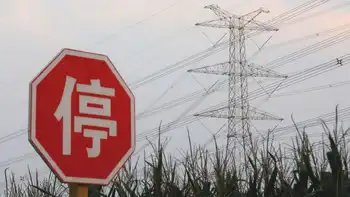
Trump's Canada Tariff May Spike NY Energy Prices
NFPA 70E Training
Our customized live online or in‑person group training can be delivered to your staff at your location.

- Live Online
- 6 hours Instructor-led
- Group Training Available
25% Tariff on Canadian Imports threatens New York energy markets, disrupting hydroelectric power and natural gas supply chains, raising electricity prices, increasing gas costs, and intensifying trade tensions, policy uncertainty, and cross-border logistics risks.
How It All Fits Together
A U.S. policy imposing 25% duties on Canadian goods, risking higher New York electricity and natural gas costs.
Disrupts hydroelectric imports that supply NY via HQ interties
Raises wholesale power prices as NY-Quebec transfer capacity tightens
Increases delivered natural gas costs on cross-border pipelines
Amplifies policy uncertainty for NY utilities and load-serving entities
Risks retaliatory measures and supply shifts by Canadian provinces
President Donald Trump announced the imposition of a 25% tariff on all imports from Canada, citing concerns over drug trafficking and illegal immigration. This decision has raised significant concerns among experts and residents in New York, who warn that the tariff could lead to increased electricity and gas prices in the state.
Impact on New York's Energy Sector
New York relies heavily on energy imports from Canada, particularly electricity and natural gas. Canada is a major supplier of hydroelectric power to the northeastern United States, including New York, with its electricity exports at risk amid trade tensions. The imposition of a 25% tariff on Canadian goods could disrupt this supply chain, leading to higher energy costs for consumers and businesses in New York. Justin Wilcox, an energy analyst, stated, "If the tariff is implemented, it could lead to increased costs for electricity and gas, affecting both consumers and businesses."
Potential Economic Consequences
The increased energy costs could have broader economic implications for New York, and some experts advise against cutting Quebec's exports to avoid exacerbating market volatility. Higher electricity and gas prices may lead to increased operational costs for businesses, potentially resulting in higher prices for goods and services, while tariff threats have boosted support for Canadian energy projects that could reshape regional supply. This could exacerbate the cost-of-living challenges faced by residents and strain the state's economy.
Political and Diplomatic Reactions
The tariff has also sparked political and diplomatic reactions, including threats to cut U.S. electricity exports from Ontario that raised tensions. New York Governor Kathy Hochul expressed concern over the potential economic impact, stating, "We are closely monitoring the situation and are prepared to take necessary actions to protect New York's economy." Additionally, Canadian officials have expressed their disapproval of the tariff, and Ontario Premier Doug Ford's Washington meeting underscored ongoing discussions, emphasizing the importance of the trade relationship between the two countries.
Historical Context
This development is part of a broader pattern of trade tensions between the United States and its neighbors. In 2018, the U.S. imposed tariffs on Canadian steel and aluminum, leading to retaliatory measures from Canada. The current situation underscores the ongoing challenges in international trade relations, where a recent tariff threat delayed Quebec's green energy bill and highlighted the potential domestic impacts of such policies.
The imposition of a 25% tariff on Canadian imports by President Trump has raised significant concerns in New York regarding potential increases in electricity and gas prices. Experts warn that this could lead to higher costs for consumers and businesses, with broader economic implications for the state. As the situation develops, it will be crucial to monitor the responses from both state and federal officials, as well as how Canadians support tariffs on energy and minerals may influence policy, and the potential for diplomatic negotiations to address these trade tensions.