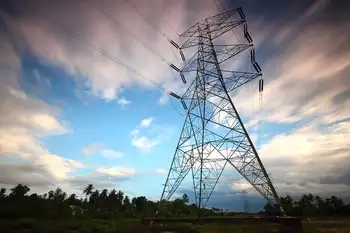
Ford's Washington Meeting: Energy Tariffs and Trade Tensions with U.S

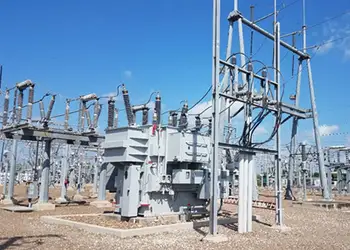
Substation Relay Protection Training
Our customized live online or in‑person group training can be delivered to your staff at your location.
- Live Online
- 12 hours Instructor-led
- Group Training Available
Ontario-U.S. Energy Tariff Dispute highlights cross-border trade tensions, retaliatory tariffs, export surcharges, and White House negotiations as Doug Ford meets U.S. officials to de-escalate pressure over steel, aluminum, and energy supplies.
The Big Picture
A trade standoff over energy exports and tariffs, sparked by Ontario's surcharge and U.S. duties on steel and aluminum.
Ontario paused a 25% surcharge on U.S.-bound electricity exports
U.S. cut proposed steel and aluminum tariffs from 50% to 25%
Ford meets commerce secretary Howard Lutnick to seek de-escalation
Failure risks new retaliatory tariffs and possible energy supply curbs
Ontario Premier Doug Ford's recent high-stakes diplomatic trip to Washington, D.C., underscores the delicate trade tensions between Canada and the United States, particularly concerning energy exports and Canada's electricity exports across the border. Ford's potential use of tariffs or even halting U.S. energy supplies, amid Ontario's energy independence considerations, remains a powerful leverage tool, one that could either de-escalate or intensify the ongoing trade conflict between the two neighboring nations.
The meeting in Washington follows a turbulent series of events that began with Ontario's imposition of a 25% surcharge on energy exports to the U.S. This move came in retaliation to what Ontario perceived as unfair treatment in trade agreements, a step that aligned with Canadian support for tariffs at the time. In response, U.S. President Donald Trump's administration threatened its own set of tariffs, specifically targeting Canadian steel and aluminum, which further escalated tensions. U.S. officials labeled Ford's threat to cut off U.S. electricity exports and energy supplies as "egregious and insulting," warning of significant economic retaliation.
However, shortly after these heated exchanges, Trump’s commerce secretary, Howard Lutnick, extended an invitation to Ford for a direct meeting at the White House. Ford described this gesture as an "olive branch," signaling a potential de-escalation of the dispute. In the lead-up to this diplomatic encounter, Ford agreed to pause the energy surcharge, allowing the meeting to proceed, amid concerns tariffs could spike NY energy prices, without further escalating the crisis. Trump's administration responded by lowering its proposed 50% tariff on Canadian steel and aluminum to a more manageable 25%.
The outcome of the meeting, which is set to address these critical issues, could have lasting implications for trade relations between Canada and the U.S. If Ford and Lutnick can reach an agreement, the potential for tariff imposition on energy exports, though experts advise against cutting Quebec's energy exports due to broader risks, could be resolved. However, if the talks fail, it is likely that both countries could face further retaliatory measures, compounding the economic strain on both sides.
As Canada and the U.S. continue to navigate these complex issues, where support for Canadian energy projects has risen, the outcome of Ford's meeting with Lutnick will be closely watched, as it could either defuse the tensions or set the stage for a prolonged trade battle.