Rio Tinto seeking solutions that transform heat from underground mines into electricity
CSA Z462 Arc Flash Training – Electrical Safety Compliance Course
Our customized live online or in‑person group training can be delivered to your staff at your location.

- Live Online
- 6 hours Instructor-led
- Group Training Available
Rio Tinto waste heat-to-electricity initiative captures underground mining thermal energy at Resolution Copper, Arizona, converting it to renewable power for cooling systems and microgrids, advancing decarbonization, energy efficiency, and the miner's 2050 carbon-neutral goal.
At a Glance
A program converting underground thermal energy into on-site electricity to cut emissions and support mine cooling.
Captures low-grade heat from rock and geothermal water.
Generates electricity for ventilation, refrigeration, microgrids.
Scalable, safe, and grid- or storage-ready for peak demand.
The world’s second-largest miner, Rio Tinto announced that it is accepting proposals for solutions that transform waste heat into electricity for reuse from its underground operations.
In a press release, the company said this initiative is aimed at drastically reducing greenhouse gas emissions, even as energy-intensive projects like bitcoin mining operations expand, so that it can achieve its goal of becoming carbon neutral by 2050.
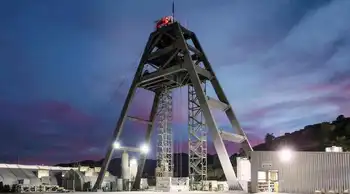
Initially, the project would be implemented at the Resolution copper mine in Arizona, which Rio owns together with BHP (ASX, LON: BHP). At this site, massive electrically-driven refrigeration and ventilation systems, aligned with broader electrified mining practices, are in charge of cooling the work environment because of the latent heat from the underground rock and groundwater.
THE INITIATIVE IS AIMED AT REDUCING GREENHOUSE GAS EMISSIONS SO THAT RIO CAN ACHIEVE ITS GOAL OF BECOMING CARBON NEUTRAL BY 2050
“When operating, the Resolution copper mine will be a deep underground block cave mine some 7,000 feet (~2 kilometres) deep, with ambient air temperatures ranging between 168°F to 180°F (76°C to 82°C), conditions that, during heat waves, when bitcoin mining power demand can strain local grids, further heighten cooling needs, and underground water at approximately 194°F (90°C),” the media brief states.
“Rio Tinto is seeking solutions to capture and reuse the heat from underground, contributing towards powering the equipment needed to cool the operations. The solution to capture and convert this thermal energy into electrical energy, such as emerging thin-film thermoelectrics, should be safe, environmentally friendly and cost-effective.”
The miner also said that, besides capturing heat for reuse, the solution should generate electrical energy from low range temperatures below the virgin rock temperature and/or from the high thermal water coming from the underground rock, similar to using transformer waste heat for heating in the power sector.
At the same time, the solution should be scalable and easily transported through the many miles of underground tunnels that will be built to ventilate, extract and move copper ore to the surface.
Rio requires proposals to offer the possibility of distributing the electrical energy generated back into the electrical grid from the mining operation or stored and used at a later stage when energy is required during peak use periods, especially as jurisdictions aim to use more electricity for heat in colder seasons.