Ontario, Quebec to swap energy in new deal to help with electricity demands
CSA Z463 Electrical Maintenance -
Our customized live online or in‑person group training can be delivered to your staff at your location.

- Live Online
- 6 hours Instructor-led
- Group Training Available
Ontario-Quebec Energy Swap streamlines electricity exchange, balancing peak demand across clean grids with hydroelectric and nuclear power, enhancing reliability, capacity banking, and interprovincial load management for industry growth, EV adoption, and seasonal heating-cooling needs.
Inside the Issue
10-year, no-cash power swap aligning peaks; hydro and nuclear enhance reliability and let Ontario bank capacity.
Up to 600 MW traded yearly between IESO and Hydro-Quebec
Complements seasonal peaks: Ontario summer, Quebec winter
10-year term with periodic reviews to adjust capacity
Straight swap, no payments; banking of unused capacity allowed
Ontario and Quebec have agreed to swap energy to build on an electricity deal to help each other out when electricity demands peak.
The provinces' electricity operators, the Independent Electricity System Operator holds capacity auctions and Hydro-Quebec, will trade up to 600 megawatts of energy each year, said Ontario Energy Minister Todd Smith.
“The deal just makes a lot of sense from both sides,” Smith said in an interview.
“The beauty as well is that Quebec and Ontario are amongst the cleanest grids around.”
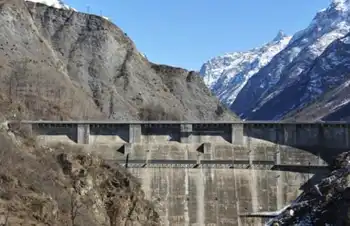
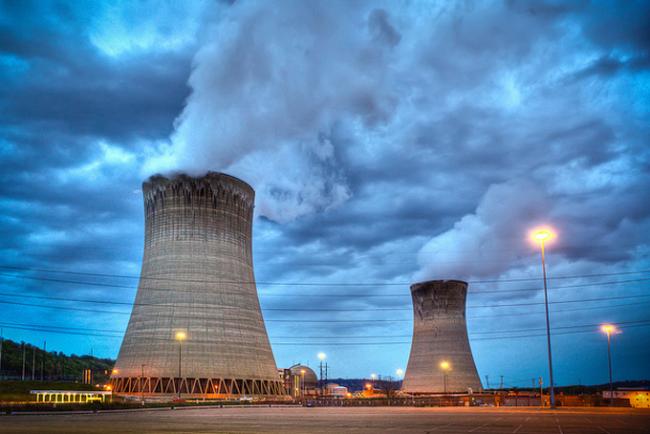
The majority of Ontario's power comes from nuclear energy while the majority of Quebec's energy comes from hydroelectric power, including Labrador power in regional transmission networks.
The deal works because Ontario and Quebec's energy peaks come at different times, Smith said.
Ontario's energy demands spike in the summer, largely driven by air conditioning on hot days, and the province has occasionally set off-peak electricity prices to provide temporary relief, he said.
Quebec's energy needs peak in the winter, mostly due to electric heating on cold days.
The deal will last 10 years, with reviews along the way to adjust energy amounts based on usage.
“With the increase in energy demand, we must adopt more energy efficiency programs like Peak Perks and intelligent measures in order to better manage peak electricity consumption,” Quebec's Energy Minister Pierre Fitzgibbon wrote in a statement.
Smith said the energy deal is a straight swap, with no payments on either side, and won't reduce hydro bills as the transfer could begin as early as this winter.
Ontario will also be able to bank unused energy to save capacity until it is needed in future years, Smith said.
Both provinces are preparing for future energy needs, as electricity demands are expected to grow dramatically in the coming years with increased demand from industry and the rise of electric vehicles, and Ontario has tabled legislation to lower electricity rates to support consumers.