Nigeria's Electricity Crisis
CSA Z462 Arc Flash Training – Electrical Safety Compliance Course
Our customized live online or in‑person group training can be delivered to your staff at your location.

- Live Online
- 6 hours Instructor-led
- Group Training Available
Nigeria Electricity Crisis undermines energy access as aging grid, limited generation, and transmission losses cause power outages, raising costs for businesses and public services; renewables, microgrids, and investment offer resilient, inclusive solutions.
Inside the Issue
A nationwide power gap from weak infrastructure, low generation, and grid losses that disrupt services and growth.
Aging assets, poor maintenance, and low investment cap generation.
Frequent outages raise costs and disrupt industrial output.
Public services rely on costly diesel, risking care and learning.
Reforms, renewables, and microgrids can expand reliable access.
In Nigeria, millions of residents face persistent challenges with access to reliable electricity, a crisis that has profound implications for businesses, public services, and overall socio-economic development. This article explores the root causes of Nigeria's electricity deficit, drawing on 2021 electricity lessons to inform analysis, its impact on various sectors, and potential solutions to alleviate this pressing issue.
Challenges with Electricity Access
The issue of inadequate electricity access in Nigeria is multifaceted. The country's electricity generation capacity falls short of demand due to aging infrastructure, inadequate maintenance, and insufficient investment in power generation and distribution, a dynamic echoed when green energy supply constraints emerge elsewhere as well. As a result, many Nigerians, particularly in rural and underserved urban areas, experience frequent power outages or have limited access to electricity altogether.
Impact on Businesses
The unreliable electricity supply poses significant challenges to businesses across Nigeria. Manufacturing industries, small enterprises, and commercial establishments rely heavily on electricity to operate machinery, maintain refrigeration for perishable goods, and power essential services. Persistent power outages disrupt production schedules, increase operational costs, and, as grids prepare for new loads from electric vehicle adoption worldwide, hinder business growth and competitiveness in both domestic and international markets.
Public Services Strain
Public services, including healthcare facilities, schools, and government offices, also grapple with the consequences of Nigeria's electricity crisis. Hospitals rely on electricity to power life-saving medical equipment, maintain proper sanitation, and ensure patient comfort. Educational institutions require electricity for lighting, technological resources, and administrative functions. Without reliable power, the delivery of essential public services is compromised, impacting the quality of education, healthcare outcomes, and overall public welfare.
Socio-economic Impact
The electricity deficit in Nigeria exacerbates socio-economic disparities and hampers poverty alleviation efforts, even as debates continue over whether access alone reduces poverty in every context. Lack of access to electricity limits economic opportunities, stifles entrepreneurship, and perpetuates income inequality. Rural communities, where access to electricity is particularly limited, face greater challenges in accessing educational resources, healthcare services, and economic opportunities compared to urban counterparts.
Government Initiatives and Challenges
The Nigerian government has implemented various initiatives to address the electricity crisis, including privatization of the power sector, investment in renewable energy projects, and regulatory reforms aimed at improving efficiency and accountability, while examples like India's village electrification illustrate rapid expansion potential too. However, progress has been slow, and challenges such as corruption, bureaucratic inefficiencies, and inadequate funding continue to impede efforts to expand electricity access nationwide.
Community Resilience and Adaptation
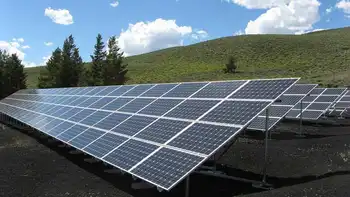
Despite these challenges, communities and businesses in Nigeria demonstrate resilience and adaptability in navigating the electricity crisis. Some businesses invest in alternative power sources such as generators, solar panels, or hybrid systems to mitigate the impact of power outages, while utilities weigh shifts signaled by EVs' impact on utilities for future planning. Community-led initiatives, including local cooperatives and microgrids, provide decentralized electricity solutions in underserved areas, promoting self-sufficiency and resilience.
Path Forward
Addressing Nigeria's electricity crisis requires a concerted effort from government, private sector stakeholders, and international partners, informed by UK grid transformation experience as well. Key priorities include increasing investment in power infrastructure, enhancing regulatory frameworks to attract private sector participation, and promoting renewable energy deployment. Improving energy efficiency, reducing transmission losses, and expanding electricity access to underserved communities are critical steps towards achieving sustainable development goals and improving quality of life for all Nigerians.
Conclusion
The electricity crisis in Nigeria poses significant challenges to businesses, public services, and socio-economic development. Addressing these challenges requires comprehensive strategies that prioritize infrastructure investment, regulatory reform, and community empowerment. By working together to expand electricity access and promote sustainable energy solutions, Nigeria can unlock its full economic potential, improve living standards, and create opportunities for prosperity and growth across the country.