Netherlands' Renewables Drive Putting Pressure On Grid
CSA Z463 Electrical Maintenance -
Our customized live online or in‑person group training can be delivered to your staff at your location.
- Live Online
- 6 hours Instructor-led
- Group Training Available
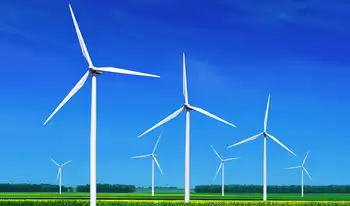
The Netherlands grid crisis exposes how rapid renewable energy growth is straining transmission capacity. Solar, wind, and electric vehicle demand are overloading networks, forcing officials to urge reduced peak-time power use and accelerate national grid modernization plans.
Main Points
The Netherlands grid crisis refers to national electricity congestion caused by surging renewable energy generation and rising consumer demand.
? Grid congestion from rapid solar and wind expansion
? Strained transmission and distribution capacity
? National investment in smart grid upgrades
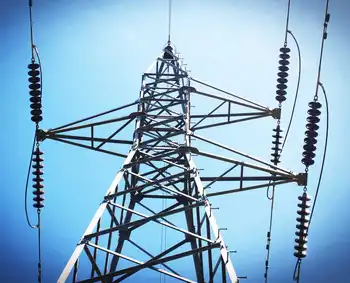
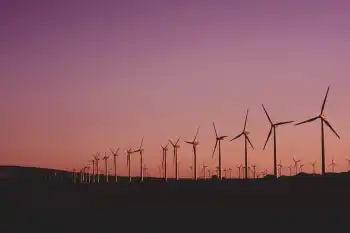
The Dutch government is urging households to reduce electricity consumption between 16:00 and 21:00 — a signal that the country’s once-stable power grid is under serious stress. The call comes amid an accelerating shift to wind and solar power that is overwhelming transmission infrastructure and creating “grid congestion” across regions, as seen in Nordic grid constraints this year.
In a government television campaign, a narrator warns: “When everyone uses electricity at the same time, our power grid can become overloaded. That could lead to failures — so please try to use less electricity between 4 pm and 9 pm.” The plea reflects a system where supply occasionally outpaces the grid’s ability to distribute it, with some regions abroad issuing summer blackout warnings already.
According to Dutch energy firm Eneco’s CEO, Kys-Jan Lamo, the root of the problem lies in the mismatch between modern renewable generation and a grid built for centralized fossil fuel plants. He notes that 70% of Eneco’s output already comes from solar and wind, and this “grid congestion is like traffic on the power lines.” Lamo explains:
“The grid congestion is caused by too much demand in some areas of the network, or by too much supply being pushed into the grid beyond what the network can carry.”
He adds that many of the transmission lines in residential areas are narrow — a legacy of when fewer and larger power plants fed electricity through major feeder lines, underscoring grid vulnerabilities seen elsewhere today. Under the new model, renewable generation occurs everywhere: “This means that electricity is now fed into the grid even in peripheral areas with relatively fine lines — and those lines cannot always cope.”
Experts warn that resolving these issues will demand years of planning and immense investment in smarter grid infrastructure over the coming years. Damien Ernst, an electrical engineering professor at Liège University and respected voice on European grids, states that the Netherlands is experiencing a “grid crisis” brought on by “insufficient investment in distribution and transmission networks.” He emphasizes that the speed of renewable deployment has outpaced the grid’s capacity to absorb it.
Eneco operates a “virtual power plant” control system — described by Lamo as “the brain we run” — that dynamically balances supply and demand. During periods of oversupply, the system can curtail wind turbines or shut down solar panels. Conversely, during peak demand, the system can throttle back electricity provision to participating customers in exchange for lower tariffs. However, these techniques only mitigate strain — they cannot replace the need for physical upgrades or bolster resilience to extreme weather outages alone.
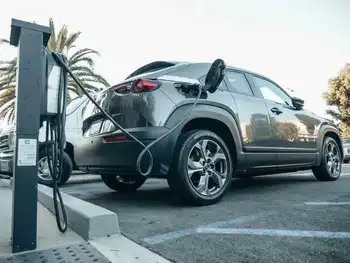
The bottleneck has begun limiting new connections: “Consumers often want to install heat pumps or charge electric vehicles, but they increasingly find it difficult to get the necessary network capacity,” Lamo warns. Businesses too are struggling. “Companies often want to expand operations, but cannot get additional capacity from grid operators. Even new housing developments are affected, since there’s insufficient infrastructure to connect whole communities.”
Currently, thousands of businesses are queuing for network access. TenneT, the national grid operator, estimates that 8,000 firms await initial connection approval, and another 12,000 seek to increase their capacity allocations. Stakeholders warn that unresolved congestion risks choking economic growth.
According to Kys-Jan Lamo: “Looking back, almost all of this could have been prevented.” He acknowledges that post-2015 climate commitments placed heavy emphasis on adding generation and on grid modernization costs more broadly, but “we somewhat underestimated the impact on grid capacity.”
In response, the government has introduced a national “Grid Congestion Action Plan,” aiming to accelerate approvals for infrastructure expansions and to refine regulations to promote smarter grid use. At the same time, feed-in incentives for solar power are being scaled back in some regions, and certain areas may even impose charges to integrate new solar systems into the grid.
The scale of what’s needed is vast. TenneT has proposed adding roughly 100,000 km of new power lines by 2050 and investing in doubling or tripling existing capacity in many areas. However, permit processes can take eight years before construction begins, and many projects require an additional two years to complete. As Lamo points out, “the pace of energy transition far exceeds the grid’s existing capacity — and every new connection request simply extends waiting lists.”


Unless grid expansion keeps up, and as climate pressures intensify, the very clean energy future the Netherlands is striving for may remain constrained by the physics of distribution.
Related Articles