Military Is Ramping Up Preparation For Major U.S. Power Grid Hack
NFPA 70E Training
Our customized live online or in‑person group training can be delivered to your staff at your location.

- Live Online
- 6 hours Instructor-led
- Group Training Available
DARPA RADICS Power Grid Security targets DoD resilience to cyber attacks, delivering early warning, detection, isolation, and characterization tools, plus a secure emergency network to protect critical infrastructure and speed grid restoration and communications.
Main Details
A DoD/DARPA initiative to detect, contain, and rapidly recover the U.S. grid from sophisticated cyber attacks.
$77M DARPA-DoD program to harden U.S. power grid resilience
Early warning distinguishes attacks from normal outages
Pinpoints entry vectors and identifies deployed malware
Secure emergency network links stations via radio, satellite, wireless
Goal: restore critical power and communications in under one week
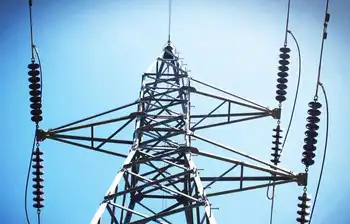
The U.S. Department of Defense is growing increasingly concerned about hackers taking down our power grid and crippling the nation, reflecting a renewed focus on grid protection across agencies, which is why the Pentagon has created a $77-million security plan that it hopes will be up and running by 2020.
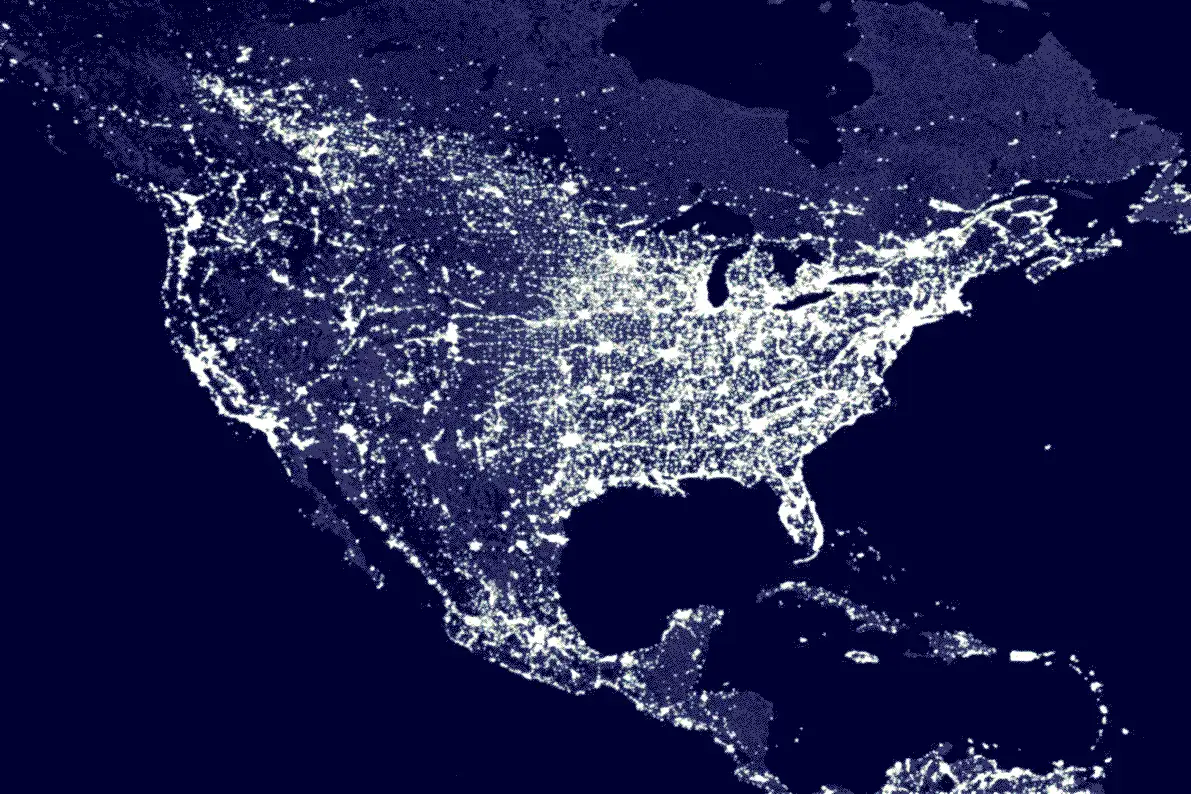
The U.S. power grid is threatened every few days. While these physical and cyber attacks have never led to wide-scale outages, attacks are getting more sophisticated. According to a 494-page report released by the Department of Energy in January and a new grid report card, the nation’s grid “faces imminent danger from cyber attacks.” Such a major, sweeping attack could threaten “U.S. lifeline networks, critical defense infrastructure, and much of the economy; it could also endanger the health and safety of millions of citizens.” If it were to happen today, America could be powered-down and vulnerable for weeks.
#google#
The DoD is working on an automated system to speed up recovery time to a week or less — what it calls the Rapid Attack Detection, Isolation, and Characterization (RADICS) program. DARPA, the Pentagon’s research arm, originally solicited proposals in late 2015, asking for technology that did three things. Primarily, it had to detect early warning signs and distinguish between attacks and normal outages, especially after intrusions at U.S. electric utilities underscored the risk, but it also had to pinpoint the access point of the attack and determine what malicious software was used. Finally, it must include an emergency system that can rapidly connect various power-supply centers, without any human coordination. This would allow emergency and military responders to have an ad hoc communication system in place moments after an attack.
“If a well-coordinated cyberattack on the nation’s power grid were to occur today, the time it would take to restore power would pose daunting national security challenges,” said DARPA program manager John Everett, in a statement, at the time. “Beyond the severe domestic impacts, including economic and human costs, prolonged disruption of the grid would hamper military mobilization and logistics, impairing the government’s ability to project force or pursue solutions to international crises.”
DARPA plans to spend $77 million on RADICS, while DOE funding to improve the grid complements these initiatives. Last November, SRI International announced it had received $7.3 million from the program. In December, Raython was granted $9 million. The latest addition is BAE Systems, which received $8.6 million last month to develop technology that detects and contains power-grid threats, and creates a secure emergency provisional system that restores some power and communication in the wake of an attack — what is being called a secure emergency network.
According to the military news site Defense Systems, BAE’s SEN would rely on radio, satellite, or wireless internet — particularly as ransomware attacks continue to rise — whatever is available that allows the grid to continue working. The SEN would serve as a wireless connection between separate power grid stations.
While the ultimate goal of the RADICS program will be the restoration of civilian power and communications, the SEN will prioritize communication networks that would be used for defense or combat, so the U.S. government can still wage war while the rest of us are in the dark.