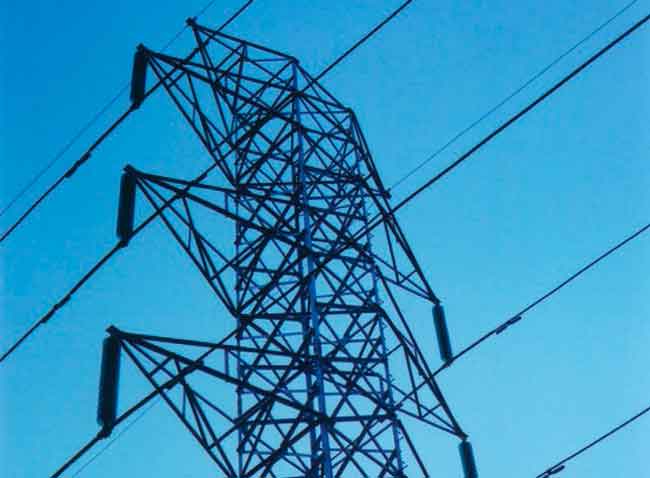
National Energy Board hears oral traditional evidence over Manitoba-Minnesota transmission line
Electrical Testing & Commissioning of Power Systems
Our customized live online or in‑person group training can be delivered to your staff at your location.
- Live Online
- 12 hours Instructor-led
- Group Training Available
Manitoba-Minnesota Transmission Line connects Bipole III to Minnesota, raising export capacity, as NEB hearings weigh Indigenous rights, treaty obligations, environmental assessment, cumulative effects, and cross-border hydroelectric infrastructure impacts, land access, socio-economic concerns, and regulatory review.
What You Need to Know
A cross-border hydro line linking Manitoba to Minnesota under review on Indigenous rights and environment concerns.
Connects Bipole III to US grid via Minnesota intertie.
Raises exports to 3,185 MW from 2,300 MW, pending NEB approval.
Indigenous groups cite treaty rights and cumulative environmental impacts.
US segment is underway; NEB decision expected before March 2019.
Concerned Indigenous groups asked the National Energy Board this week to take into consideration existing and future impacts and treaty rights, which have prompted a halt to Site C work elsewhere, when considering whether to OK a new hydro transmission line between Manitoba and Minnesota.
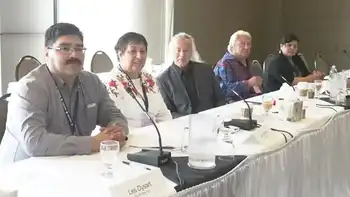
Friday was the last day of the oral traditional evidence hearings in Winnipeg on Manitoba Hydro's Manitoba-Minnesota Transmission project.
The international project will connect Manitoba Hydro's Bipole III transmission line to Minnesota and increase the province's electricity export capacity to 3185 MW from 2300 MW.
#google#
During the hearings Indigenous groups brought forward concerns and evidence of environmental degradation, echoing Site C dam opponents in other regions, and restricted access to traditional lands.
Ramona Neckoway, a member of the Nelson House First Nation, talked about her concern about the scope of Manitoba Hydro's application to the NEB.
"It's only concerned with a narrow 213 km corridor and thus it erases the histories, socio-economic impacts and the environmental degradation attached to this energy source," said Neckoway.
Prior to the hearings the board stated it did not intend to assess the environmental and socio-economic impacts of upstream or downstream facilities associated with electricity production, even as a utilities watchdog on Site C stability raised questions elsewhere.
However, the board did hear evidence from upstream and downstream affected communities despite objection from Manitoba Hydro lawyers.
"Manitoba Hydro objected to us being here, saying that we are irrelevant, but we are not irrelevant," said Elder Tommy Monias from Cross Lake First Nation.
Manitoba Hydro representative Bruce Owen said, "We respect the NEB hearing process and look forward to the input of all interested parties."
The hearings provided a rare opportunity for First Nations communities, similar to Ontario First Nations urging action, to voice their concerns about the line on a federal level.
"One of the hopes is that this project can't be built until a system-wide assessment is made," said Dr. Peter Kulchyski, an expert witness for the southern chiefs organization and professor of Native Studies at the University of Manitoba.
Hearings continue
The line is already under construction on the American side of the border as the NEB public hearings continue until June 22 with cross examinations and final arguments from Manitoba Hydro and intervenor groups.
The NEB's final decision on the Manitoba-Minnesota transmission line, amid an energy board delay recommendation, will be made before March 2019.