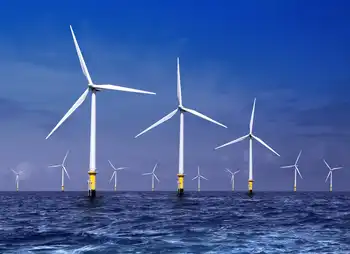
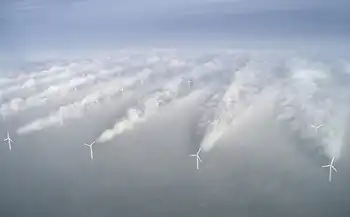
Electricity production from Irish windfarms hits all-time high
Substation Relay Protection Training
Our customized live online or in‑person group training can be delivered to your staff at your location.
- Live Online
- 12 hours Instructor-led
- Group Training Available
Ireland Wind Power Exports drive record renewable electricity, with onshore and offshore wind capacity surging, SEAI report finds, cutting fossil fuel imports and CO2 emissions and boosted by Corrib gas field and windier conditions.
Essential Takeaways
Electricity exports enabled by record onshore and offshore wind in Ireland, reducing fossil fuel imports.
Wind capacity reached 2,827 MW, with 400 MW added toward year end.
Renewables supplied 27% of gross electricity consumption in 2016.
Ireland became a net electricity exporter on record wind output.
Fossil fuel import costs avoided totaled €192 million in 2016.
Corrib gas field lowered energy import spend by €1.2 billion.
Ireland became an exporter of electricity last year on the back of record production from onshore and offshore windfarms, in line with a record year for renewables globally in 2016, and this year’s production could be even higher, a new report shows.
And the country’s spending on imported fossil fuels fell by €1.2 billion last year following the opening of the often-controversial Corrib gas field off the Mayo coast.
A report from Sustainable Energy Authority of Ireland (SEAI), due to be published on Tuesday, highlights major changes in where Ireland’s energy comes from, as renewables surpassed fossil fuels in Europe for the first time, and how it is now being consumed.
Ireland produced its largest amount of renewable electricity ever last year, reflecting leadership in integrating renewables onto the grid, on the back of the introduction of an additional 400 megawatts of power from wind turbines.
This brought the total capacity of Ireland’s wind turbines, on land and at sea, to 2,827 megawatts, amid rising European wind investments across the region, according to the SEAI’s annual Energy in Ireland Report. It includes analysis going back to 1990.
Most of the turbines that entered service last year did so towards the end of last year, so this year’s figures should be higher again, the report says. In addition, the more windy conditions seen this year will also boost production.
Renewable electricity generation accounted for more than 27 per cent of gross electricity consumption in 2016, with over one-third green within four years expected nationally, while the use of renewables in electricity generation reduced CO2 emissions by 3.1 million tonnes and avoided €192 million of fossil fuel imports.