The Impact of AI on Corporate Electricity Bills
Protective Relay Training - Basic
Our customized live online or in‑person group training can be delivered to your staff at your location.
- Live Online
- 12 hours Instructor-led
- Group Training Available
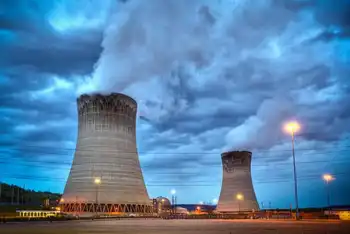
AI Energy Consumption strains corporate electricity bills as data centers and HPC workloads run nonstop, driving carbon emissions. Efficiency upgrades, renewable energy, and algorithm optimization help control costs and enhance sustainability across industries.
What This Means
AI Energy Consumption is the power used by AI compute and data centers, impacting costs and sustainability.
24/7 data centers and HPC workloads escalate corporate electricity spend.
Power price volatility, especially Europe, pressures budgets and margins.
Efficiency upgrades cut cooling loads and improve PUE across facilities.
Renewable PPAs, onsite solar, and storage hedge costs and cut emissions.
Algorithm and model optimization reduce compute time and energy per task.
Artificial Intelligence (AI) is revolutionizing industries with its promise of increased efficiency and productivity. However, as businesses integrate AI technologies into their operations, there's a significant and often overlooked impact: the strain on corporate electricity bills.
AI's Growing Energy Demand
The adoption of AI entails the deployment of high-performance computing systems, data centers, and sophisticated algorithms that require substantial energy consumption. These systems operate around the clock, processing massive amounts of data and performing complex computations, and, much like the impact on utilities seen with major EV rollouts, contributing to a notable increase in electricity usage for businesses.
Industries Affected
Various sectors, including finance, healthcare, manufacturing, and technology, rely on AI-driven applications for tasks ranging from data analysis and predictive modeling to customer service automation and supply chain optimization, while manufacturing is influenced by ongoing electric motor market growth that increases electrified processes.
Cost Implications
The rise in electricity consumption due to AI deployments translates into higher operational costs for businesses. Corporate entities must budget accordingly for increased electricity bills, which can impact profit margins and financial planning, especially in regions experiencing electricity price volatility in Europe amid market reforms. Managing these costs effectively becomes crucial to maintaining competitiveness and sustainability in the marketplace.
Sustainability Challenges
The environmental impact of heightened electricity consumption cannot be overlooked. Increased energy demand from AI technologies contributes to carbon emissions and environmental footprints, alongside rising e-mobility demand forecasts that pressure grids, posing challenges for businesses striving to meet sustainability goals and regulatory requirements.
Mitigation Strategies
To address the escalating electricity bills associated with AI, businesses are exploring various mitigation strategies:
-
Energy Efficiency Measures: Implementing energy-efficient practices, such as optimizing data center cooling systems, upgrading to energy-efficient hardware, and adopting smart energy management solutions, can help reduce electricity consumption.
-
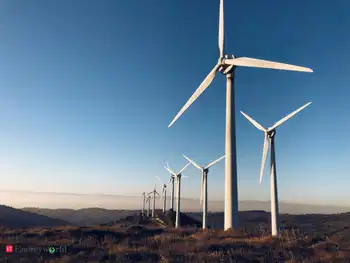
Renewable Energy Integration: Investing in renewable energy sources like solar or wind power and energy storage solutions to enhance flexibility can offset electricity costs and align with corporate sustainability initiatives.
-
Algorithm Optimization: Fine-tuning AI algorithms to improve computational efficiency and reduce processing times can lower energy demands without compromising performance.
-
Cost-Benefit Analysis: Conducting thorough cost-benefit analyses of AI deployments to assess energy consumption against operational benefits and potential rate impacts, informed by cases where EV adoption can benefit customers in broader electricity markets, helps businesses make informed decisions and prioritize energy-saving initiatives.
Future Outlook
As AI continues to evolve and permeate more aspects of business operations, the demand for electricity will likely intensify and may coincide with broader EV demand projections that increase grid loads. Balancing the benefits of AI-driven innovation with the challenges of increased energy consumption requires proactive energy management strategies and investments in sustainable technologies.
Conclusion
The integration of AI technologies presents significant opportunities for businesses to enhance productivity and competitiveness. However, the corresponding surge in electricity bills underscores the importance of proactive energy management and sustainability practices. By adopting energy-efficient measures, leveraging renewable energy sources, and optimizing AI deployments, businesses can mitigate cost impacts, reduce environmental footprints, and foster long-term operational resilience in an increasingly AI-driven economy.