How Much Electricity Does a High-Voltage Transformer Use Explained
By Harold WIlliams, Associate Editor
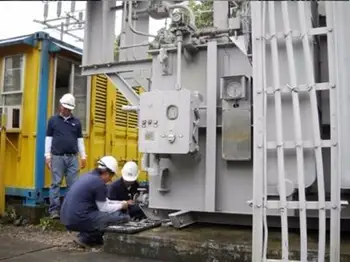
Transformer Maintenance Training - Testing and Diagnostics
Our customized live online or in‑person group training can be delivered to your staff at your location.
- Live Online
- 12 hours Instructor-led
- Group Training Available
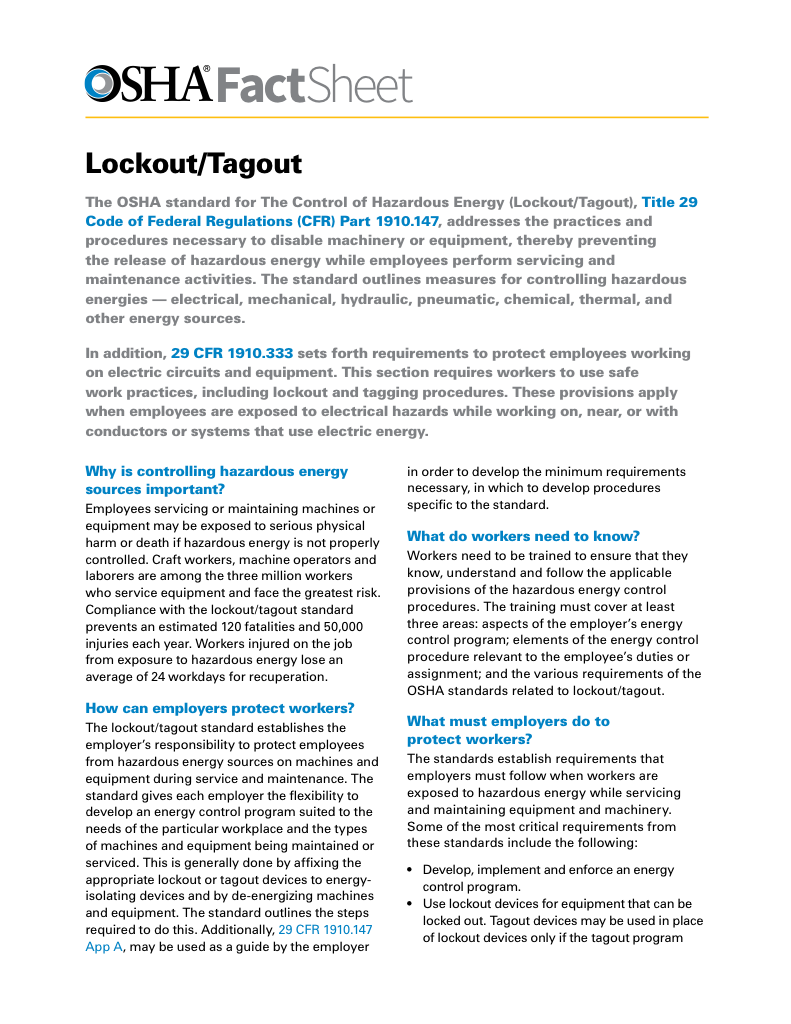
Download Our OSHA FS3529 Fact Sheet – Lockout/Tagout Safety Procedures
- Learn how to disable machines and isolate energy sources safely
- Follow OSHA guidelines for developing energy control programs
- Protect workers with proper lockout devices and annual inspections
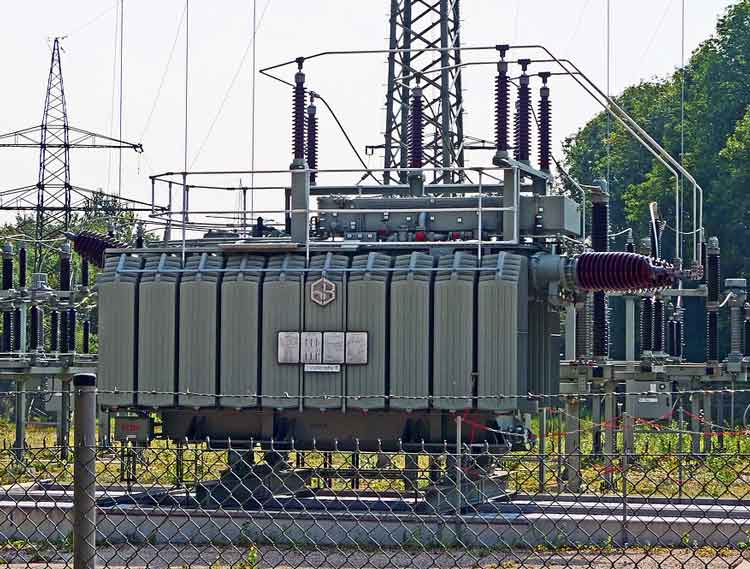
A high-voltage transformer does not directly use electricity in the same way as devices plugged into a wall outlet. Instead, it facilitates the transfer of electrical power while experiencing power losses.
These losses, primarily core and copper losses, are caused by electromagnetic induction and the flow of current through the windings. Although transformers are highly efficient, typically ranging from 95% to 99%, some energy is still wasted. In large-scale power distribution systems across North America, these losses accumulate, affecting overall energy consumption.
Electrical Transformer Maintenance Training
Substation Maintenance Training
Request a Free Training Quotation
How Much Power Does a High-Voltage Transformer Use During Normal Operation?
Transformers in power distribution networks, including distribution transformers and power transformers, convert voltage levels and power supplies. They do not consume electricity like household devices, but experience losses during operation. Core losses occur continuously as long as the transformer is energized, whereas copper losses vary with load. Power consumption results from these energy losses that occur during the transformation of voltage levels for electrical power transmission.
What Factors Determine the Energy Consumption of a High-Voltage Transformer?
Several factors influence a transformer's power consumption. The transformer's design plays a critical role; its materials and construction determine how efficiently it operates. The load placed on a transformer also impacts its consumption. Transformers operating closer to full load tend to be more efficient, while those running with lighter loads waste more energy. Additionally, the type of transformer, whether a phase transformer or a voltage transformer, along with the voltage range and winding types, contributes to overall efficiency. Lastly, short circuits or faults in the distribution system can significantly increase energy losses.
How Does a Transformer’s Load Affect Its Power Usage?
The load on a transformer is a key factor in determining power losses. When a transformer is running at full or near-full capacity, its efficiency is at its highest. In contrast, light loads result in higher proportional energy losses, with core losses accounting for a larger share of total power consumption. The efficiency of power distribution transformers in distribution systems is affected by load fluctuations, which can cause them to operate less efficiently during off-peak periods.
Test Your Knowledge About Utility Transformers!
Think you know Utility Transformers? Take our quick, interactive quiz and test your knowledge in minutes.
- Instantly see your results and score
- Identify strengths and areas for improvement
- Challenge yourself on real-world electrical topics
What is the Typical Efficiency of High-Voltage Transformers, and How Does It Impact Energy Consumption?
Transformers are generally very efficient, with typical efficiency rates between 95% and 99%. However, even small percentages of waste energy can add up in large-scale electrical power distribution networks. Efficiency depends on factors such as load, design, and construction materials. Higher efficiency means lower power consumption, but the inevitable losses, such as copper and core losses, still affect overall energy use. The more efficient the transformer, the less energy is lost during electromagnetic induction and power transmission.
How Can Energy Losses in Transformers Be Minimized?
Minimizing energy losses in transformers can be achieved through better transformer design and materials. Using advanced core materials, such as grain-oriented steel, helps reduce core losses, while optimizing the voltage windings and cooling systems can lower copper losses. Proper load management in distribution systems can also minimize waste energy by ensuring transformers operate at optimal loads. Voltage windings should be designed to handle the appropriate voltage range, while primary and secondary windings should be engineered to reduce energy loss during transformation. Additionally, maintaining transformers in good condition and preventing short circuits is essential for reducing unnecessary energy consumption.
While transformers in power distribution systems across North America are highly efficient, they still experience energy losses in the form of core and copper losses. By improving transformer design, optimizing load management, and maintaining high efficiency in distribution transformers and power supplies, the overall energy losses can be reduced, contributing to more efficient power distribution across the grid.
Related Articles
