Fuse Box Circuit Breaker Voltage Reader
Substation Relay Protection Training
Our customized live online or in‑person group training can be delivered to your staff at your location.
- Live Online
- 12 hours Instructor-led
- Group Training Available
Download Our OSHA 4475 Fact Sheet – Being Aware of Arc Flash Hazards
- Identify root causes of arc flash incidents and contributing conditions
- Apply prevention strategies including LOTO, PPE, and testing protocols
- Understand OSHA requirements for training and equipment maintenance
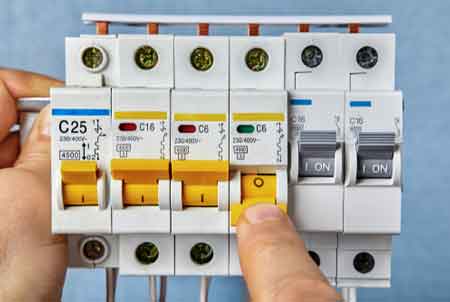
A fuse box circuit breaker voltage reader detects voltage, confirms live wires, and verifies the breaker's function. It enhances electrical safety by identifying faults in panels, thereby helping ensure safe repairs and installations in residential and commercial electrical systems.
Role of the Fuse Box Circuit Breaker Voltage Reader
A fuse box circuit breaker voltage reader is a safety and diagnostic tool used to verify the presence or absence of live voltage in electrical systems. It helps electricians confirm power status before and during electrical work, detect energized circuits in fuse boxes and breaker panels, and identify faults or miswired breakers to reduce the risk of shock or equipment damage.
Frequently Asked Questions
What is the purpose of a fuse box, circuit breaker, and CB voltage reader?
The purpose of this tool is to measure the voltage levels within fuse boxes and circuit breakers, ensuring that the electrical circuits are functioning correctly. By using a voltage tester, you can verify normal power levels and detect issues such as blown fuses or tripped circuit breakers. This tool is invaluable for maintaining the safety and performance of your electrical system by identifying problems before they cause failures or safety hazards. To better understand how these devices function, see our overview of circuit protection devices, which explains the different components involved in fault detection.
How do I use a CB voltage reader to test a fuse box or circuit breaker?
Using a voltage tester to check a fuse box or circuit breaker is straightforward. First, ensure that the power is on and the area is safe to work in. Then, set the tester to the correct setting for the system voltage being tested. Carefully touch the tester’s probes to the designated points on the fuse box or circuit breaker to get a reading. The device will display the voltage level, which should match the expected output for that circuit. Any abnormal reading could indicate a fault that needs attention. For a detailed look at how breakers interact with voltage detection tools, explore our guide on circuit breaker types.
Sign Up for Electricity Forum’s Electrical Protection Newsletter
Stay informed with our FREE Electrical Protection Newsletter — get the latest news, breakthrough technologies, and expert insights, delivered straight to your inbox.
How can I tell if a voltage reader needs to be replaced?
Like any electrical tool, a voltage reader may wear out over time or give inaccurate readings. Common signs that a voltage tester needs replacement include malfunctioning displays, inconsistent readings, or an inability to detect voltage when it is clearly present. If your voltage tester shows any of these signs, it may no longer be reliable and should be replaced to ensure your safety when testing circuits. Explore how to safely manage fault currents with tools like voltage readers by reviewing our article on fault current calculation.
What are the safety precautions for testing voltage in a fuse box or circuit breaker?
When using a voltage reader, safety is paramount. Always wear protective gear, such as gloves and goggles, and ensure that the working area is dry. Ensure the voltage tester is functioning correctly before use, and avoid touching any live components with your bare hands. If you’re unsure about handling electrical systems, it’s recommended to consult a professional. Being cautious will help prevent electrical shocks or damage to the system while testing. A circuit breaker finder is a handy tool that scans the electrical panel and identifies the correct breaker connected to a specific outlet or fixture, making troubleshooting faster and safer.
What voltage should I expect when using a CB voltage reader?
The expected voltage depends on the system you are testing. In residential systems, common readings are typically around 120V for standard circuits and 240V for larger appliances. When testing, ensure that the voltage matches the expected output for the specific circuit. Any deviations from expected levels may indicate a problem with the fuse box or circuit breaker and may require further investigation or repair.
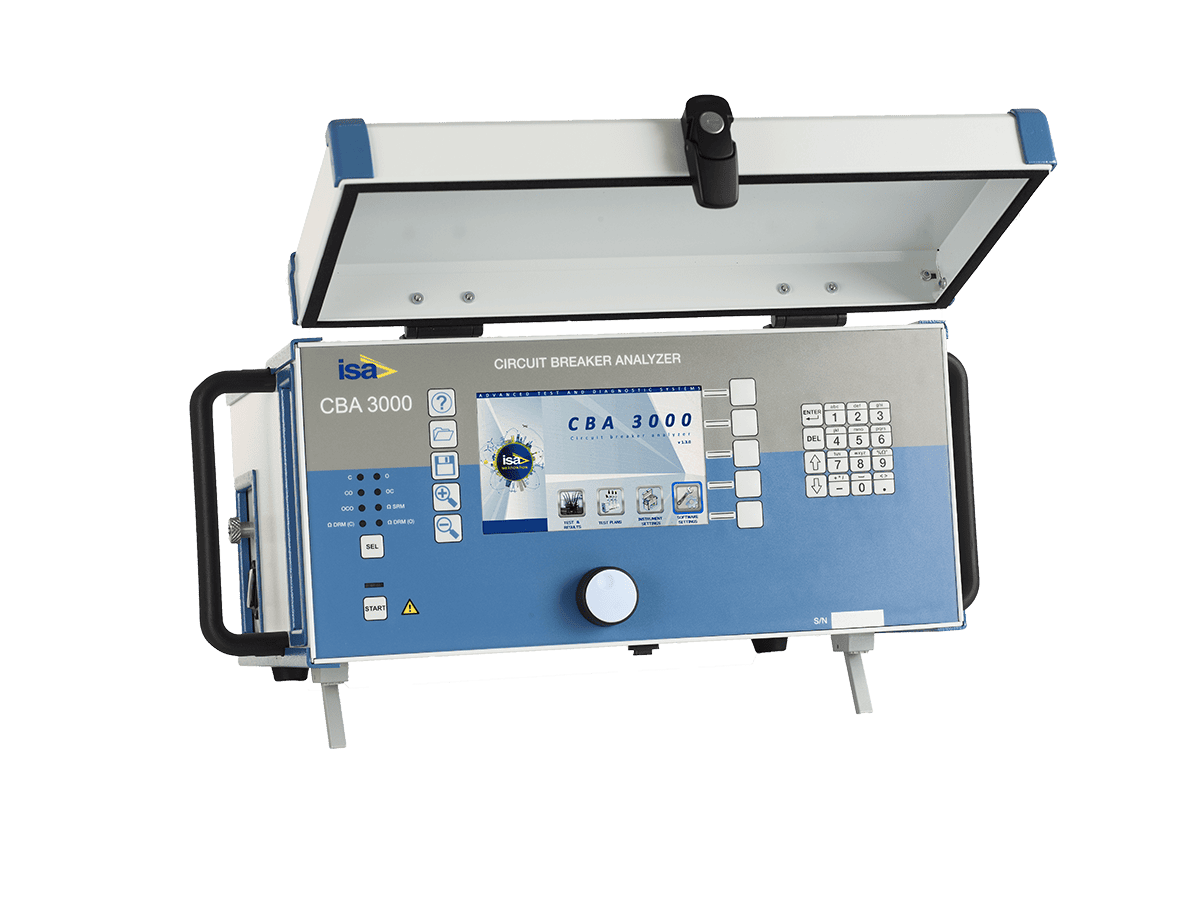
A fuse box circuit breaker voltage reader is a vital tool for ensuring electrical safety and optimal performance. Knowing how to use this tool correctly and when to replace it helps prevent electrical faults and ensure circuits function as they should. By following proper safety precautions and being aware of expected voltage levels, users can confidently manage their electrical systems.
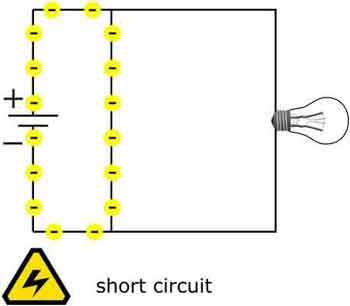
Learn how short-circuit conditions affect your electrical panel in our short-circuit protection resource, which explains detection and safety methods. Understand the broader electrical safety system by visiting our main electrical protection page, covering essential components and safety protocols.
Related Articles
