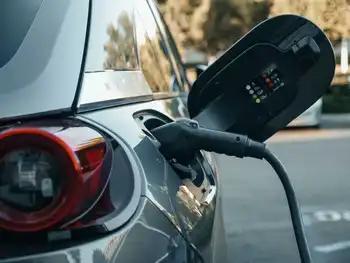
Stiff EPA emission limits to boost US electric vehicle sales
Substation Relay Protection Training
Our customized live online or in‑person group training can be delivered to your staff at your location.
- Live Online
- 12 hours Instructor-led
- Group Training Available
EPA Auto Emissions Proposal 2027-2032 sets strict tailpipe emissions limits, accelerating electric vehicle adoption, cutting greenhouse gases, advancing climate policy, and reducing oil dependence through battery-electric cars and trucks across U.S. markets.
Understanding the Story
An EPA plan setting strict tailpipe limits to drive EV adoption, cut greenhouse gases, and reduce oil use in vehicles.
Sets strictest U.S. tailpipe limits for 2027-2032 models
Targets up to two-thirds EV share of new sales by 2032
Projects 56% GHG cut vs MY2026 under light-duty standards
Avoids nearly 10 billion tons CO2 by 2055, per EPA
Cuts oil reliance by about 20 billion barrels, with cost savings
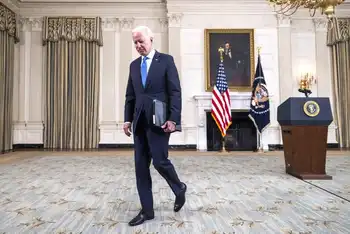
The Biden administration is proposing strict new automobile pollution limits that would require up to two-thirds of new vehicles sold in the U.S. to be electric by 2032, a nearly tenfold increase over current electric vehicle sales.
The proposed regulation, announced Wednesday by the Environmental Protection Agency, would set tailpipe emissions limits for the 2027 through 2032 model years that are the strictest ever imposed — and call for far more new EV sales than the auto industry agreed to less than two years ago, a shift aligned with U.S. EV sales momentum in early 2024.
If finalized next year as expected, the plan would represent the strongest push yet toward a once almost unthinkable shift from gasoline-powered cars and trucks to battery-powered vehicles, as the market approaches an inflection point in adoption.
The Biden administration is proposing strict new automobile pollution limits that would require up to two-thirds of new vehicles sold in the U.S. to be electric by 2032, a nearly tenfold increase over current electric vehicle sales.
The proposed regulation, announced Wednesday by the Environmental Protection Agency, would set tailpipe emissions limits for the 2027 through 2032 model years that are the strictest ever imposed — and call for far more new EV sales than the auto industry agreed to less than two years ago, a direction mirrored by Canada's EV sales regulations now being finalized.
If finalized next year as expected, the plan would represent the strongest push yet toward a once almost unthinkable shift from gasoline-powered cars and trucks to battery-powered vehicles, with many analysts forecasting widespread adoption within a decade among buyers.
Reaching half was always a “stretch goal," given that EVs still trail gas cars in market share and contingent on manufacturing incentives and tax credits to make EVs more affordable, he wrote.
“The question isn’t can this be done, it’s how fast can it be done,” Bozzella wrote. “How fast will depend almost exclusively on having the right policies and market conditions in place.”
European car maker Stellantis said that, amid broader EV mandate debates across North America, officials were “surprised that none of the alternatives” proposed by EPA "align with the president’s previously announced target of 50% EVs by 2030.''
Q. How will the proposal benefit the environment?
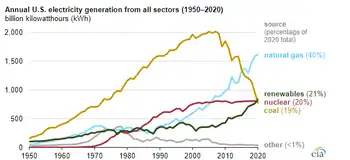
A. The proposed standards for light-duty cars and trucks are projected to result in a 56% reduction in projected greenhouse gas emissions compared with existing standards for model year 2026, the EPA said. The proposals would improve air quality for communities across the nation, and, with actual benefits influenced by grid mix — for example, Canada's fossil electricity share affects lifecycle emissions — avoiding nearly 10 billion tons of carbon dioxide emissions by 2055, more than twice the total U.S. CO2 emissions last year, the EPA said.
The plan also would save thousands of dollars over the lives of the vehicles sold and reduce U.S. reliance on approximately 20 billion barrels of oil imports, the agency said.