Duke Energy seeks changes in how solar owners are paid for electricity
CSA Z463 Electrical Maintenance -
Our customized live online or in‑person group training can be delivered to your staff at your location.

- Live Online
- 6 hours Instructor-led
- Group Training Available
Duke Energy Net Metering Proposal updates rooftop solar compensation with time-of-use rates, lower grid credits, and a minimum charge, aligning payments with electricity demand in North Carolina pending regulators' approval.
Key Highlights
A plan to swap flat credits for time-of-use rates and a minimum charge for rooftop solar customers in North Carolina.
Time-of-use credits vary by grid demand
$10 minimum use charge plus $14 basic fee
Aims to align solar payouts with actual electricity value
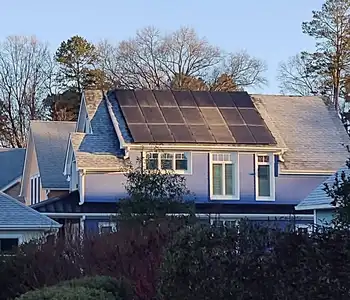
Duke Energy has proposed new rules for how owners of rooftop solar panels are paid for electricity they send to the electric grid. It could mean more complexity and lower payments, but the utility says rates would be fairer.
State legislators have called for changes in the payment rules — known as "net metering" policies that allow households to sell power back to energy firms.
Right now, solar panel owners who produce more electricity than they need get credits on their bills, equal to whatever they pay for electricity. Under the proposed changes, the credit would be lower and would vary according to electricity demand, said Duke spokesperson Randy Wheeless.
"So in a cold winter morning, like now, you would get more, but maybe in a mild spring day, you would get less," Wheeless said Tuesday. "So, it better reflects what the price of electricity is."
Besides setting rates by time of use, solar owners also would have to pay a minimum of $10 a month for electricity, even if they don't use any from the grid. That's on top of Duke's $14 basic charge. Duke said it needs the extra revenue to pay for grid infrastructure to serve solar customers.
The proposal is the result of an agreement between Duke and solar industry groups — the North Carolina Sustainable Energy Association; the Southern Environmental Law Center, which represented Vote Solar and the Southern Alliance for Clean Energy; solar panel maker Sunrun Inc.; and the Solar Energy Industries Association.
The deal is similar to one approved by regulators in South Carolina last year, while in Nova Scotia a solar charge was delayed after controversy.
Daniel Brookshire of the North Carolina Sustainable Energy Association said he hopes the agreement will help the solar industry.
"We reached an agreement here that we think will provide certainty over the next decade, at least, for those interested in pursuing solar for their homes, and for our members who are solar installers," Brookshire said.
But other environmental and consumer groups oppose the changes, amid debates over who pays for grid upgrades elsewhere. Jim Warren with NC WARN said the rules would slow the expansion of rooftop solar in North Carolina.
"It would make it even harder for ordinary people to go solar," Warren said. "This would make it more complicated and more expensive, even for wealthier homeowners."
State regulators still must approve the proposal, even as courts weigh aspects of the electricity monopoly in related solar cases. If state regulators approve it, rates for new net metering customers would take effect Jan. 1, 2023.